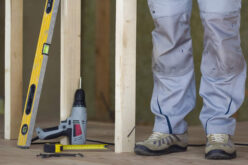
From budgeting and design to permits and contractor selection, there are many moving parts to consider.
To help you navigate your next renovation with confidence, here’s a comprehensive checklist that covers the essential steps every homeowner should take before, during, and after the project.
Define Your Goals and Scope
Before diving into design ideas or material selections, take time to clarify your renovation goals. Are you looking to improve energy efficiency, expand living space, modernize outdated features, or enhance resale value? Understanding your priorities will help guide decisions and keep your project focused.
Next, determine the scope of work. Will you be renovating a kitchen, bathroom, or entire floor? Are structural changes involved? The more specific you are, the easier it will be to communicate with professionals and stay on budget.

Set a Realistic Budget
Budgeting is one of the most critical aspects of any renovation. Start by researching average costs for similar projects in your area, then factor in materials, labor, permits, and unexpected expenses. It’s wise to include a contingency fund—typically 10–20% of your total budget—to cover surprises that may arise during construction.
If you’re working with professionals, request detailed estimates and compare quotes. Be wary of bids that seem too low, as they may not account for quality workmanship or hidden costs. Transparency and clear communication about pricing will help prevent financial stress later on.
Assemble the Right Team
Choosing the right professionals can make or break your renovation experience. Depending on the complexity of your project, you may need architects, interior designers, contractors, and specialized tradespeople.
For projects involving structural changes or custom design elements, consider consulting with architecture firms in Atlanta or your local area to ensure your plans are both functional and compliant with building codes. Ask for references, review portfolios, and verify licenses and insurance.
A reputable team will provide clear contracts, timelines, and expectations, helping you stay on track and avoid costly delays.

Top Home Remodeling Mistakes and How to Avoid Them
Home remodeling should transform your living space into the sanctuary you’ve always dreamed of. Yet countless homeowners find themselves dealing with budget overruns, timeline delays, and results that fall short of their expectations.
Before you start any home remodeling – such as a kitchen or bathroom remodeling, adding an addition, building a new section onto the home, and other major renovation project, run some financial numbers to determine whether the renovation is a smart investment.
The numbers include the estimated costs, home value assessment, financing costs, and other related calculations.
Review these cost-related issues to remodeling vs. buying a new home.
links to internal page (opens new win)
| analyze the numbers | |
| estimate the cost of your project | |
| start assembling a budget | |
| get your home value |
The 2nd step for planning your home remodeling is deciding what you would like to do.
Will it be a –
- remodeling your kitchen or bathroom,
- converting the attic or basement,
- adding an addition or extension to the home,
- changing out your deck or patio into an all-season room,
- upgrading the home with new windows, doors and flooring,
- redesigning your landscape with new features,
- or something else.
You can find other home remodeling ideas by referencing our home renovation analysis and topic directories (opens new win)
| view remodeling design "ideas" directory | |
| view latest "topics" for home renovation | |
Step 3 is sketching your ideas on paper (or digitally) and developing the spec plan.
The spec plan determines what type of home remodeling materials, items, and design considerations that will be needed. It will also contain the product specifications for each renovation element.
You will use the spec plan and architectural design to bid the project out to a contractor.
links to internal page (opens new win)
| developing the spec plan | |
| sketch remodeling plan | |
| design considerations |
Step 4 is finding and negotiating the contract with a remodeling contractor.
Give your home remodeling ideas and specs to a contractor for review and bid analysis. Use the local network (aligned with HomeAdvisor) to find the right contractor for your project.
Review guides for contractor selection and negotiation.
links to internal page (opens new win)
| search remodeling contractors | |
| selecting your contractor checklist |
| contractor negotiations | |
| contractor evaluation form |
Step 5 is arranging financing once you selected the contractor and finalized the contract for your project.
Using the equity value in your home is one of the best financing option for home remodeling. Start with a home equity line of credit or use the bank equity program.
Other options may include cash-out refinancing, personal savings, and/or financing from home improvement contractors.
links to internal page (opens new win)
| financing options | |
| getting qualified for financing | |
| negotiate rates |
Step 6 is where the project begins.
It starts with setting up the work area, removing everything that needs to be replaced, installing electrical and network connections, putting in the final touches, etc.
It also means working with the contractor, managing the project, and getting the home remodeling project inspected before releasing any funds.
links to internal page (opens new win)
| working with the contractor | |
| managing remodeling project |
| about a home project inspections | |
| find home inspector |
Secure Permits and Approvals
Many renovation projects require permits, especially those involving plumbing, electrical work, or structural modifications. Check with your local building department to understand what’s needed for your specific scope. Failing to obtain the proper permits can result in fines, delays, or issues when selling your home.
If you’re working with a contractor or architect, they can often handle the permitting process on your behalf. Still, it’s important to stay informed and ensure all approvals are in place before construction begins.
Plan for Daily Life During Renovation
Renovations can disrupt your routine, so it’s important to plan ahead. Will you need to relocate temporarily? Can you set up a temporary kitchen or workspace? Consider noise, dust, and limited access to certain areas of your home.
Communicate with your contractor about the project timeline and daily work hours. Establish boundaries to protect your privacy and minimize stress. If you have children or pets, make arrangements to keep them safe and comfortable throughout the process.
Conclusion
A successful home renovation starts with careful planning, clear communication, and a trusted team of professionals.
By defining your goals, setting a realistic budget, securing permits, and preparing for daily life disruptions, you can ensure your project runs smoothly from start to finish. With the right checklist in hand, your next renovation can be a rewarding investment in both comfort and value.
other related analysis of interest: (new win)
A Guide to Stone Kitchen Countertops
AI Home Health Devices: Your Guide to Smart Wellness Technology
Find Home Remodeling Services Additions Major Remodels Minor Remodels Disability Needs Plumbing Drain Clearing Appliances Electrical top-rated, pre-screened local contractors FREE: download contractor selection enter zip code – powered by HomeAdvisor ™


Image credit: home renovation checklist by envato.com
end of post … please share it!
|__________________________________________________________|
home remodeling surprise
find out where it might go - new win


Helpful article? Leave us a quick comment below.
And please share this article within your social networks.