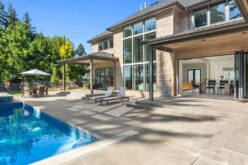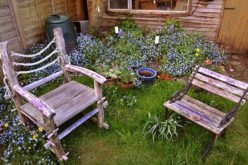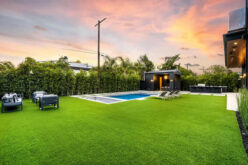
A beautiful landscape can help reduce noise from street traffic and provide privacy for homeowners by utilizing different elements such as trees or fences.
That’s why, whether you are doing the work yourself or bringing in someone like ckclandscapinginc.com to give you a hand, it’s so important to make sure you get the best possible result when planning out your lawn or backyard renovation project.
1. Think About Your Intended Purpose for the Landscape
Are you looking for a place for entertaining large groups? Do you want a garden area for growing vegetables and flowers?
Or do you just want an attractive outdoor environment that creates a beautiful view from inside your home? Thinking about your purpose ahead of time will help guide the rest of your design decisions.
2. Consider the Surrounding Landscape Elements When Designing
Take into account existing trees, shrubs, and other plants when planning what new elements to incorporate into your design.
Consider how they will fit in with existing plants and change the look of the overall landscape. Also, plan around things like utility lines or existing structures that cannot be moved or altered.
Working around these fixed elements often requires a professional eye to avoid costly mistakes. Experienced teams like Whitefoot Landscapes can assess your garden layout and help you decide which features to keep and which ones to replace.
They have the tools to handle heavy groundworks and structural changes safely. This preparation ensures your new plants and hard elements have a solid foundation from the very start.
3. Choose Plants Wisely Based on Their Climate Needs and Soil Type
Not all plants thrive in all climates or types of soil, so make sure you choose plants that are suited to your local environment and soil conditions.
Research different varieties online or visit nearby nurseries to find out more information before purchasing any plants or trees.
4. Add Features
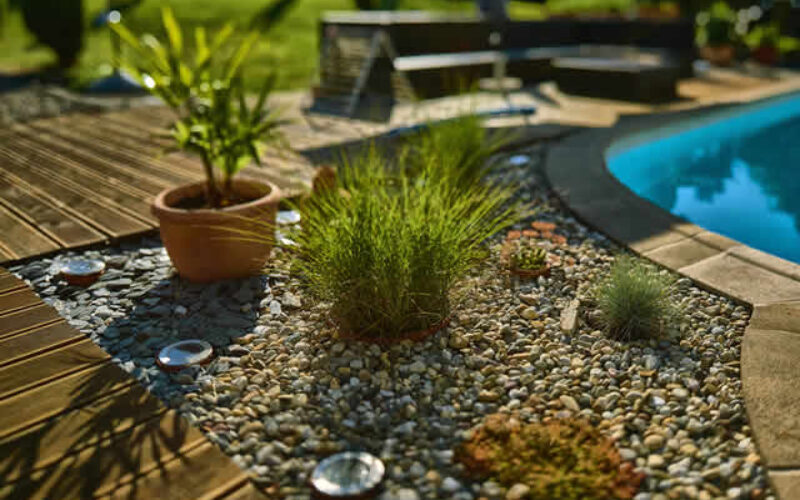
Make use of hardscaping features such as pathways, walls, fences, etc., to add structure to your landscaping design.
A well-designed hardscape makes navigating through your yard easier while also providing visual interest with patterns, colors and textures in various materials like stone, brick or wood decking.
Plus hardscaping features often require less maintenance than living plants over time!
Before you start any yard n’ garden landscaping – such as a swimming pool, patio kitchen, and other backyard landscaping, run some financial numbers to determine whether the landscaping is a smart investment.
The numbers include the estimated costs, home value assessment, financing costs, and other related calculations.
Review these cost-related issues to remodeling vs. buying a new home.
links to internal page (opens new win)
| analyze the numbers | |
| estimate the cost of your project | |
| get your home value |
The 2nd step for planning your landscaping is deciding what you would like to do.
Will it be a –
- installing a swimming pool,
- building a play area with courts, playground, and other,
- redo your landscaping,
- build a deck or patio,
- install an outdoor kitchen and bar,
- start your own farm,
- or something else.
Start collecting ideas by referencing our collection of landscaping analysis: view directory
Step 3 is sketching your ideas on paper (or digitally) and developing the spec plan.
The spec plan determines what type of yard n’ garden equipment and design considerations that will be needed. It will also contain the product specifications for each landscape element.
You will use the spec plan and architectural design to bid the project out to a contractor.
links to internal page (opens new win)
| developing the spec plan | |
| sketch remodeling plan | |
| design considerations |
Step 4 is finding and negotiating the contract with a landscape contractor.
Give your landscaping ideas and specs to a contractor for review and bid analysis. Use the local network (aligned with HomeAdvisor) to find the right contractor for your project.
Review guides for contractor selection and negotiation.
links to internal page (opens new win)
| search yard n’ garden contractors | |
| selecting your contractor checklist |
| contractor negotiations | |
| contractor evaluation form |
Step 5 is arranging financing once you selected the contractor and finalized the contract for your project.
Using the equity value in your home is one of the best financing option for landscaping. Start with a home equity line of credit or use the bank equity program.
Other options may include cash-out refinancing, personal savings, and/or financing from home improvement contractors.
links to internal page (opens new win)
| financing options | |
| getting qualified for financing | |
| negotiate rates |
Step 6 is where the project begins.
It starts with setting up the work area, removing everything that needs to be replaced, installing electrical and network connections, putting in the final touches, etc.
It also means working with the contractor, managing the project, and getting the landscape project inspected before releasing any funds.
links to internal page (opens new win)
| working with the contractor | |
| managing remodeling project |
| about a home project inspections | |
| find home inspector |
5. Add Lighting
Incorporate lighting into your landscaping design both for practical purposes and ambiance light during the night. In certain areas of the yard such as near pathways or seating areas, additional illumination is needed for safety reasons.
You could also consider adding decorative lighting like spotlights or string lights around trees or along walls/fences which can create a cozy atmosphere after dark!
6. Don’t Forget About Irrigation
You won’t have to worry about having enough water available if you install an underground sprinkler system with low-flow heads so that water is only used as needed instead of wasting it by manually watering each plant yourself every day – plus this means far less work for you in terms of upkeep too!
other related articles of interest:
Creating a beautiful outdoor space doesn’t have to be complicated – following these 6 tips for the best landscaping design will give you a great starting point towards achieving success with revamping your yard!
Keep these points in mind when planning out which elements to include in order to get the most out of your project while still keeping within budget constraints and without overdoing it either way – remember that sometimes less really is more when it comes to creating stunning landscapes!
Find Yard n’ Garden Services Landscape Design Sprinkler Systems Metal Work Water Features Gazebos Play Equipment Outbuildings Fences top-rated, pre-screened local contractors FREE: download contractor selection enter zip code – powered by HomeAdvisor ™


Image credit: best landscaping design by envato.com
end of post … please share it!
| more photo remodeling |
Jump Over to Our Photo Analysis Center for Ideas on
"Renovating Home"
|__________________________________________________________|
home remodeling surprise
find out where it might go - new win


Helpful article? Leave us a quick comment below.
And please share this article within your social networks.