An efficient home also has a reduced environmental footprint, especially if the local power grid is strongly dependent on fossil fuels.
With an adequate selection of energy efficiency measures, every dollar spent upfront is recovered multiple times. Each home is unique, but the highest energy expenses in most cases are space heating, air conditioning, water heating and lighting. As a result, efficiency measures that target these systems tend to have the highest return on investment.
Upgrading Home Lighting to LED
LED lighting products may seem expensive, but they last much longer than conventional lamps. For instance, an LED bulb with a service life of 25,000 hours can replace an incandescent bulb that only lasts 1,000 hours.
One LED bulb is more expensive than one incandescent bulb, but it is much cheaper than 25 of them. Also consider that LED lamps consume over 80% less power than incandescent lamps of equivalent output.
The performance gap is less drastic when LED lighting is compared with fluorescent lighting, but the business case remains favorable for LED.
Compact fluorescent lights typically have a service life of 8,000 to 12,000 hours – much longer that the service life of incandescent bulbs, but still outclassed by LED lighting. In addition, LED lamps consume between 30% and 50% less energy than fluorescent lamps.
When upgrading to LED lighting, products with the ENERGY STAR label are strongly recommended. The labeling program is managed by the US Environmental Protection Agency, and only laboratories recognized by the US EPA can test products officially. If an LED product has the blue ENERGY STAR label, it has passed rigorous laboratory tests that are independent from specific manufacturers.
Other important considerations when purchasing LED products are using an adequate color temperature and selecting the right beam shape for the application. LEDs are characterized by their manufacturing flexibility, and this has led to a wide range of products.
- For example, if a lighting fixture needs a lamp that emits light in all directions, LED bulbs with a narrow beam should be avoided – they are better suited for spotlights.
- Lighting color selection is more subjective, since user preferences play a role. However, warm tones are characterized by a relaxing effect, while cool tones tend to be energizing. Neutral white light is suitable for tasks that require concentration over an extended period, such as reading or cooking.

Space Heating and Air Conditioning Efficiency
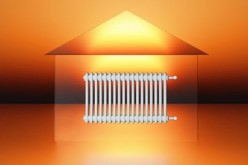
Heating and cooling appliances can account for over 50% of home energy expenses throughout the year. For this reason, home energy consultants give a high priority to HVAC efficiency. The best strategy is to minimize heating and cooling loads first, and then select equipment of adequate capacity and with a high nameplate efficiency.
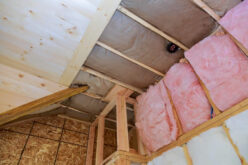
HVAC savings start with the building envelope: a home that minimizes summer heat gain and winter heat loss has lower heating and cooling costs. In existing homes, insulation and airtightness issues can be detected with thermal imaging, and a pressurization test is also applicable when detecting air leaks.
The opportunity to deploy a high-performance envelope is even greater in new homes. The thermal performance can be enhanced with insulated concrete forms or other similar products, and windows can be specified with triple-pane low-emissivity glass. These windows can also be deployed in existing homes, but the owner must be willing to remove the existing ones, since triple-pane glass normally requires special frames.
With adequate insulation and airtightness, the next step is selecting high-efficiency HVAC equipment. Heating and cooling systems are characterized by variety, and each technology has its own efficiency metrics.

Combustion-based boilers and furnaces use a metric called the Annual Fuel Utilization Efficiency, or AFUE. The most efficient units in the market have an AFUE above 98%. On the other hand, if heating is accomplished with a heat pump, the corresponding efficiency metric is the Heating Seasonal Performance Factor, or HSPF – the best products in the market have an HSPF above 10.
In the case of air conditioning, the Seasonal Energy Efficiency Ratio (SEER) applies for ductless mini-splits and for air-source heat pumps operating in cooling mode. Significant energy savings can be achieved with a SEER above 20, and some air conditioning units offer a SEER above 30.
The ENERGY STAR program from the US EPA also covers heating and cooling appliances, and purchasing labeled products is strongly recommended. When heating and cooling units are labeled, owners can rest assured that their equipment meets rigorous performance standards.
Reducing Water Heating Expenses
Water heaters tend to consume less energy than heating and cooling appliances, but they can add up several hundred dollars in annual expenses. The efficiency of water heaters is described by the energy factor (EF), which is the ratio of heat provided to the water and energy consumed.
Water heaters can be classified based on their configuration or based on their energy source. The unit’s efficiency is strongly influenced by the combination of these factors.
- Storage heaters have an insulated hot water tank, as implied by their name, while tankless heaters increase the temperature of flowing water without accumulating it.
- With respect to the energy sources used, there are both combustion heaters and electric heaters. Combustion heaters are designed for fuels such as natural gas, heating oil or propane; while electric water heaters can be resistance-based or they can use a heat pump configuration.

Tankless gas heaters and heat pumps tend to have the lowest operating costs among all possible configurations. The lowest-cost option can vary depending on local electricity and gas prices. However, a heat pump offers the potential to operate without emissions if combined with a clean electricity source.
Conclusion
Since space heating and air conditioning are the highest energy expenses in most homes, significant savings are possible by combining efficient equipment and a high-performance building envelope. Lighting systems and water heaters also account for a significant share of energy consumption. For this reason, water heaters with a high energy factor and LED lighting are recommended.
The ENERGY STAR label covers most home appliances, and it offers a reliable way to purchase high-quality products. Since individual manufacturers cannot test home appliances on their own, the label guarantees performance.
other valuable tips:
Make Your Home Energy Efficient In 5 Simple Ways
How to Squeeze the Most Efficiency out of Your Home’s Energy Use
Image credit: Pixabay
end of post … please share it!
| google+ |
GALLERY: going green
|__________________________________________________________|
home remodeling surprise
find out where it might go - new win


Helpful article? Leave us a quick comment below.
And please share this article within your social networks.