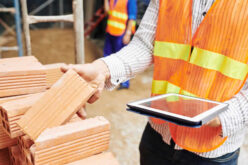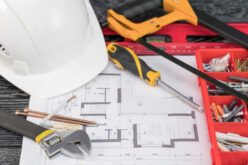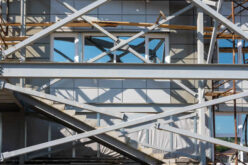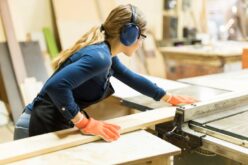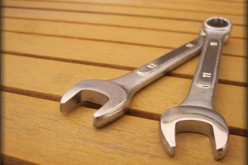
Each of these types of equipment can be expensive to either repair, or replace, and mechanical breakdowns can lead to work delays and extend the time it takes to complete a project, which is also costly in and of itself.
Regular Use of Heavy Machinery Leads to Increased Need for Expensive Repairs
These types of construction equipment share an additional trait, in addition to costing an arm and a leg to replace; they each have a higher rate of mechanical wear and tear. This is true because construction equipment is commonly used in applications where extremes in temperatures, impact, weight, vibration and other stresses are part of their normal, everyday use.
When it comes to construction equipment, the question is never if critical machinery will break down or wear out, the question is when it is likely to do so. For site managers, being able to keep project completion times on schedule, control costs and preserve safety comes down to being able to manage the time frame of "when" mechanical failure is likely to occur and how far that time frame can be pushed out as long as possible.
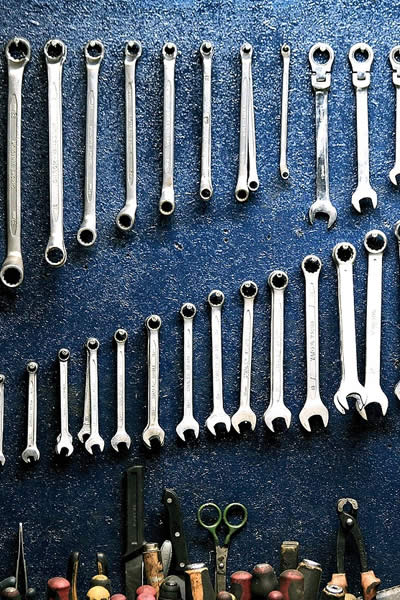
Routine Maintenance Vital to Increasing Safety and Reducing Breakdowns
The lack of fall protection remains a top concern on constructions sites and is one of the top reasons that can lead to being cited for OSHA safety violations. Receiving a citation can be quite costly as well, for not only is there the potential for federal fines, but other losses, such as those related to damage to property and even the loss of workers lives can also occur if the entire work site is not maintained so that it can operate in a safe manner. This is one reason why the need to maintain heavy equipment so that it is kept in good repair and safe operating condition is a major concern on most construction sites.
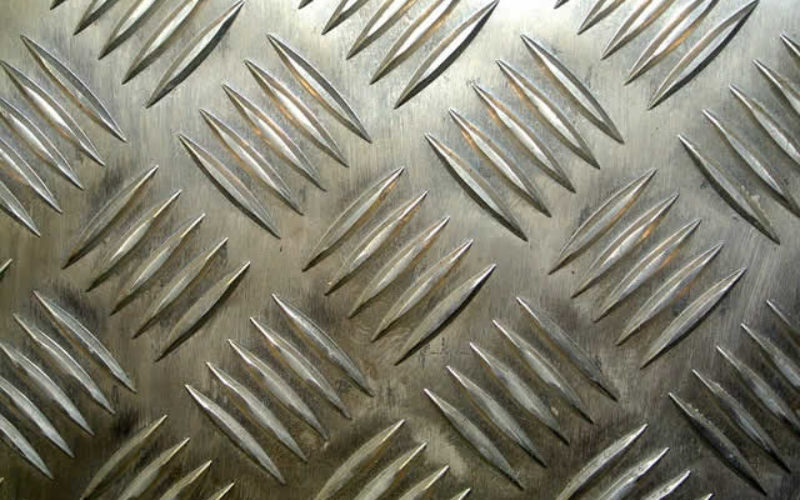
Routine maintenance not only increases safety on the job site by reducing the instances of a sudden failure of a critical part, but it also prolongs the normal lifespan of the heavy equipment used in construction. In addition to routine maintenance, using a high-quality industrial wear plate is one modification that can be made to most types of heavy equipment that reduces mechanical wear and tear.
Why Wear Plates
Wear plates are specifically created to endure the extremely harsh conditions that are found on most construction sites and to reduce the effects of abrasion, erosion, and friction on both exposed metal parts in direct contact with elements in this extreme environment as well as internal mechanical parts that might rub, vibrate, impact or otherwise increase wear and tear on each other. This action can prolong both the time in between repairs as well as expand each piece of equipment’s typical lifespan.
By reducing the impact of the leading causes of mechanical wear and tear on the construction equipment, and reducing the rate of needed repairs, it becomes easier to keep projects on track as well as makes it easier to keep sites in compliance with the OSHA safety guideline that each piece of equipment is inspected and that any defective equipment on a piece of heavy machinery is repaired or replaced prior to the start of each shift.
Fitting heavy equipment with highly durable wear plates, in addition to other routine maintenance, is an often overlooked, but economical way to improve safety and reduce operating costs on most construction sites.
| google+ |
|__________________________________________________________|
home remodeling surprise
find out where it might go - new win


Helpful article? Leave us a quick comment below.
And please share this article within your social networks.