Wood
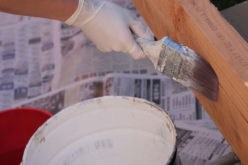
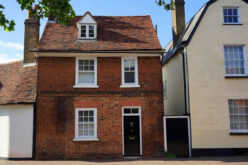
Wood is easy to work with and different finishes can transform its appearance while bringing out the natural beauty of wood grains. It doesn’t expand in heat. Repeated expansion and contracting of other materials can lead to loosening of joints. Heat dries wood and makes it stronger. Wood has a high strength relative to weight. Wood is flammable. It’s also very absorbent; moisture can draw termites, lead to mold and fungi, and eventually structural weakness.
Concrete
Concrete is relatively low-cost; it is also easy to maintain. Special molds and textures can be employed at the job site to provide artistic looks and shapes. Concrete is a durable material that’s both a good insulator and resistant to bad weather. Concrete has low tensile length and can crack or shatter under conditions such as high heat, ground shifts, or hard impacts from storms or vehicle collisions.
Metal
There are many types and alloys of metal, all of them extremely durable and flexible. With proper coatings metal products can last for 40 years or more. Metal products can be found in a variety of designs for all manner of building needs, from rain gutters to structural beams. It is an excellent temperature conductor. Most metals, even galvanized or stainless steel, eventually undergo oxidation (rust) if not protected with the right coatings. It is also highly conductive to electrical shocks.
Some companies, like Acoma Roofing, know that a metal roof cools within 30 minutes of sunset, helping to dissipate heat and cool down the interior.
- View remodeling plan: roofing replacement
Help us spread this article with a quick “comment/share” to your friends and family.
google+
Brick
Today’s bricks are manufactured by the millions in a variety of materials, colors, styles, and textures. Bricks are an eco-friendly material in that manufacturing causes very little pollution, which the bricks can be recycled or reused. Bricks are strong and very durable, while providing excellent barriers against fire, extreme temperatures, and noise. Brick-laying involves considerable time and labor. Natural, untreated brick can fade in color, draw moisture and be difficult to clean. Brick structures are also unsafe in areas of seismic activity.
Value should be considered from the life-cycle perspective – provided the materials in question fit your needs and tastes. Fewer maintenance or replacement costs may save property owners money over time.
|__________________________________________________________|
home remodeling surprise
find out where it might go - new win


Helpful article? Leave us a quick comment below.
And please share this article within your social networks.