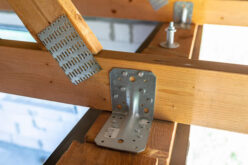
To give you an idea of the kinds of things you should be thinking about, here are some of the top expenses associated with building an extension.
Architect’s Fees
Before you even start worrying about getting the builders in, you’ll need plans of what you want done to your home. It is best to get an expert to assess your property, look at your available space, speak to you about what you want to gain from extending the house and then draw up suitable plans.
In many cases, you’ll require planning permission before you can start construction work and having professional blueprints of what you’re intending to do is essential. Of course, architects cost money, so make sure you get a few quotes before you decide who you want to work with on the project.
Materials
The amount you spend on your building materials will depend on a host of factors, but as a general rule it’s advisable to buy a little more of everything than you need to allow for mistakes.
Once you have your plans, you can speak to a builder about what you will need and where you can source it from. If you have very specific requirements and/or products that need to be shipped in from outside your local area, you’ll need to be prepared to spend a little more.
If you live in a conservation area and have to use specific materials or have a particular finish on any additions to your home, you should budget for spending more on this as sourcing may be more difficult.

Machinery Hire
Of course, building an extension is a big undertaking and not something you can do without specialist equipment. You will need to set aside a reasonable amount of your budget to cover the cost of machinery hire. To ensure you don’t spend money unnecessarily, make sure you have a timetable for the works and speak to hire companies about the availability of their equipment accordingly.
There needs to be a degree of flexibility in any building scheme, particularly in the UK as the weather can be unpredictable, but with careful planning you should be able to minimise disruptions. You can find out more about hiring construction equipment here.
Interior Aspects
One thing that can ramp up the cost of an extension is having a bathroom or kitchen fitted, as this will require plumbing work – not to mention the units or suite that you’ll have installed.
Consult a plumber at the design stage to decide where it is most sensible to position any pipes and outlets, based on the location of such fixtures in your existing home. You should also contact an electrician to give you a quote for any electrical work that you will require early on in the process, too, as this can also be an expensive aspect of the build.
The finish you want on the interior of your extension could also drive the price up. For example, if you are prepared to do most of the decorating – including any tiling – yourself, you could find you shave quite a bit off the total cost. If you want the extension to be completed by professionals, however, you should allow extra money to cover this expense.
| google+ |
|__________________________________________________________|
home remodeling surprise
find out where it might go - new win


Helpful article? Leave us a quick comment below.
And please share this article within your social networks.