
Home renovations often create piles of leftover materials, old fixtures, and debris. Knowing what materials to keep and what to toss when renovating can help you reduce waste, cut costs, and keep your project organized. A few items may come in handy later, while others will simply take up valuable space—it’s important to know the difference!
Materials Worth Keeping
Certain materials can provide value long after the renovation is complete.
Extra flooring is one of the most useful items to save. Matching discontinued flooring years later can be difficult and expensive. A few spare pieces make future repairs much easier.
Paint leftovers are also worth keeping when stored properly. Small touch-ups become simple when the original color is available.
Cabinet hardware, spare tiles, and trim pieces can all come in handy too. These items can help you maintain a consistent look if damage occurs later.
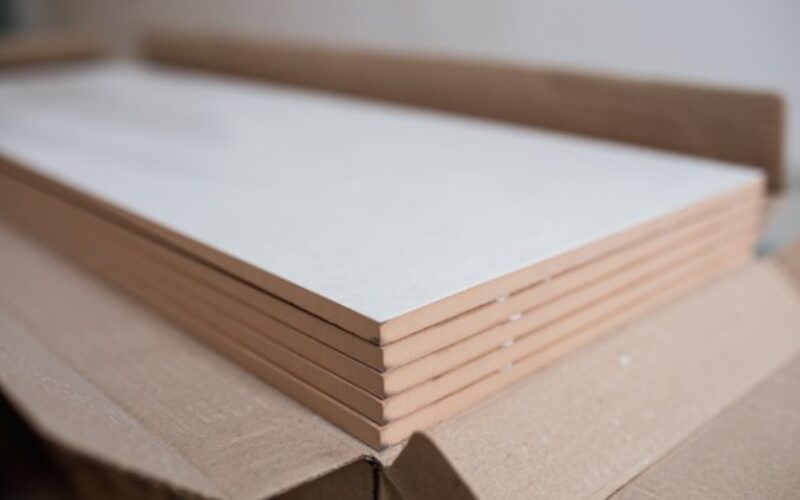
Lastly, quality lumber may have a second life in another project. Solid wood boards can often be reused for shelving, repairs, or custom features around the home. Avoid keeping these boards on the ground when possible—moisture damage can ruin them, and they can be difficult to dispose of after the fact.
Items That Are Usually Safe to Toss
Not every leftover material needs a permanent place in the garage.
Damaged drywall, broken tiles, and heavily worn flooring rarely offer future value. These materials are difficult to reuse and often create unnecessary clutter.
Old insulation should generally be discarded, especially if it shows signs of moisture damage, mold, or age-related deterioration.
Finally, warped wood and rusted metal components tend to cause more problems than they solve. Space is often more valuable than storing materials that will never be used again.
When Fixtures Are Worth Saving
Fixtures fall into a gray area during many remodels.
Solid wood doors, quality light fixtures, and vintage hardware may still have value. Some homeowners repurpose them elsewhere in the house, while others sell or donate them.
Older sinks, faucets, and cabinets can sometimes benefit local reuse organizations if they remain in good condition. Keeping usable items out of landfills supports more sustainable renovation practices.
The “Why” Behind What You Keep
Everyone renovates for a different reason, and their plan for managing project leftovers should reflect that overall plan for the home. If you expect to live in this property for years to come, you need to balance a realistic understanding of what you have room for and what might come in handy in the future should anything fall into disrepair. On the other hand, if you like to renovate spaces often or have ideas for building more spaces, you may not want to get rid of anything. Meanwhile, many homeowners looking to sell find that scheduling a junk haul before listing a home for sale helps them clear everything out and present a refreshed, blank canvas to buyers.
Don’t let the idea that something “might come in handy” be the only reason you hold onto it. If you keep any materials, make sure you have a clear understanding of what purpose they might serve in the future. And when you can’t find a good reason to hold onto the item, make a plan for disposing of it.
Making Smarter Renovation Decisions
Successful renovations involve more than choosing finishes and fixtures. Careful decisions about storage, reuse, and disposal can save money and reduce frustration. Knowing what materials to keep and what to toss when renovating leads to a cleaner project, a more organized home, and less unnecessary waste once the work is complete.
Image Credentials: by andrey gonchar, 1379961176
|__________________________________________________________|
home remodeling surprise
find out where it might go - new win


Helpful article? Leave us a quick comment below.
And please share this article within your social networks.