Quick Answer:
Homeowners researching remodels in are gravitating toward three documented directions: warmer, wood-focused kitchens with tactile natural materials; bathrooms designed as wellness retreats with larger showers and calming features; and softer, curved architectural details like arched doorways and rounded islands. Together, these signal a shift toward comfort-driven, human-centered design.
Summary Outline –
The remodeling industry has responded in kind. As more homeowners choose to update the homes they already have rather than move, according to Marine Sargsyan, Houzz’s head of economic research, cited by FloorDaily.net, January 13, 2026, the question isn’t whether to renovate.
It’s what to prioritize. Understanding what other homeowners are gravitating toward can help you make confident, informed decisions about your own project.
This guide walks through three of the clearest design directions emerging in 2026: warm kitchens, spa-style bathrooms, and curved architectural details.
We’ll look at what the data shows, why these trends resonate with homeowners, and how to think about applying them to your own space, whether you’re planning a full remodel or a smaller refresh.
- post content … analysis/ remodeling trends
- 1st: Moving Away from Cold Kitchen Aesthetics
- 2nd: What Makes a Bathroom Feel Like a Spa?
- 3rd: Why Are Curved Details Replacing Sharp Angles?
- 4th: What Should You Consider Before Starting Your Remodeling Project?
- 5th: Frequently Asked Questions
- 6th: Choosing the Perfect Contractor for Your Dream Home Design

first “remodeling trends” idea
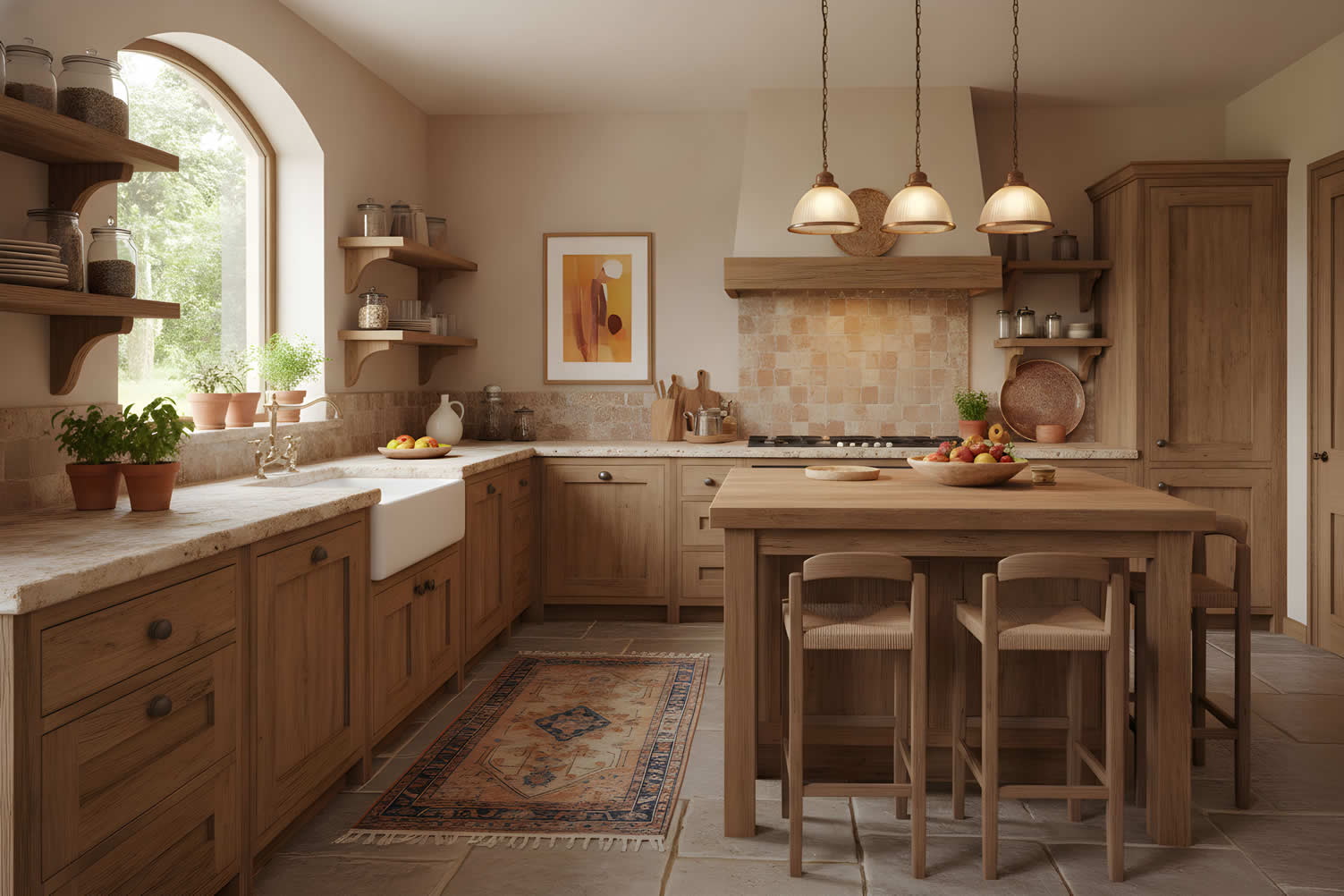

AI generated image by 123rf.com
Section 1: Moving Away from Cold Kitchen Aesthetics
Notes:
-
Homeowners are increasingly trading cold, ultra-minimalist kitchen designs for warm, inviting spaces that foster connection and practicality.
The crisp whites, glossy finishes, and stark open layouts that dominated kitchen trends in past years are now viewed as impractical and uninspiring, prompting a shift toward designs that feel more lived-in and personal.
This evolving preference reflects deeper psychological, lifestyle, and practical considerations reshaping how we approach one of the most important spaces in the home.

-
Psychological and Lifestyle Drivers
A kitchen isn’t just a place to prepare meals—it’s where moments are shared, ideas are exchanged, and memories are made. This space has to feel welcoming and practical, balancing warmth with function.
Below, we explore the psychological and lifestyle factors driving the trend toward kitchens that comfort, soothe, and connect to our everyday lives.
-
Desire for Comfort and Connection
The trend away from cold kitchen aesthetics stems in part from a desire to create spaces that feel warm, human, and welcoming.
For many, kitchens should be the heart of the home—a place to gather, nourish, and unwind—not clinical environments that resemble impersonal showroom displays or curated social media posts.
Modern homeowners are opting for kitchens with organic textures, natural materials, and soft, warm tones that invite people in, signaling comfort and connection over rigidity.
-
Fatigue from “Builder-Grade” Uniformity
Years of identical, monochromatic kitchen designs dominated by white shaker cabinets and cool gray finishes have left many homeowners craving individuality.
These cookie-cutter designs, while functional, are increasingly seen as generic “white boxes” that lack character and personality.
Today’s kitchen remodels aim to break away from this builder-grade look, emphasizing custom features, unique color palettes, and personal touches that make spaces feel special and distinct.
-
Focus on Daily Habits Over Hype
Homeowners are also shifting their focus from flashy, status-symbol kitchens to designs that prioritize daily living. Sleek designs with impractical open shelving or purely aesthetic elements often fail to meet the demands of everyday cooking and organization.
Instead, renovations now center on livability, incorporating hidden storage, efficient layouts, and designs that complement real routines rather than catering solely to visual appeal.
-
-
Practical Challenges of Cold Minimalism
While cold minimalism can create clean, modern spaces, it often falls short when it comes to practicality in a busy kitchen. This approach prioritizes sleek surfaces and stark simplicity, but these features can sometimes clash with the functionality and warmth a kitchen needs for everyday cooking and gathering.
Below, we’ll explore the common challenges of cold minimalism in kitchens and how to balance aesthetics with usability.
-
High Maintenance and Glare
Contrary to their clean appearance, cold minimalist kitchens require significant upkeep. Glossy finishes, pure white countertops, and open shelving all show smudges, fingerprints, and dust more readily than warmer materials.
These surfaces also amplify glare and harsh lighting, making the space feel less inviting while exposing every crumb, spill, or streak.
-
Acoustic and Visual Harshness
Minimalist designs that rely on hard lines, concrete surfaces, and open layouts can create acoustically harsh environments. Without soft textures to absorb sound, kitchens like these often amplify noise, turning routine activities into a clamor.
Additionally, large, unbroken white or gray spaces lack visual warmth, making messes or cooking odors more noticeable and diminishing the sense of coziness homeowners now value.
-
-
Are Open-Concept Kitchens Still the Goal?
Not exactly, or at least not in the way they used to be. While open-concept kitchens were long considered the gold standard for modern homes, there’s growing interest in “broken-plan” layouts. These designs maintain a functional and visual connection between the kitchen and adjoining living areas but introduce defined zones for specific purposes.
Examples include a baking nook adjacent to a pantry or a beverage bar tucked away from the primary cooking area. This approach fosters flexibility and practicality while mitigating some of the challenges associated with completely open spaces, such as noise and clutter.
-
What’s Driving These Kitchen Renovation Decisions?
It isn’t purely aesthetic. The same Houzz study found that 41% of homeowners cite outdated style as their top renovation motivator, while 38% point to deterioration or dysfunction in their current kitchen, a figure that’s risen from 35% the previous year.
In other words, people are renovating because their kitchens no longer work for how they actually live, not just because trends have shifted.
Choose a warmer material palette if you want your kitchen to feel more inviting for everyday use; choose durability-focused upgrades first if your current layout is functionally failing you, then layer in warmth and texture once the bones of the space are sound.
More Supporting Information
(click to view sample images, summary table, and useful ideas – or scroll to side note and next topic)
Trend Description Reason Moving Away from Cold Kitchen Aesthetics Homeowners are moving from cold, ultra-minimalist kitchens to warm and inviting designs that foster connection and practicality. Reflects psychological, lifestyle, and practical needs for comfort, individuality, and functionality. Psychological and Lifestyle Drivers Kitchens are being designed as welcoming spaces for sharing moments, balancing warmth and functionality. The pursuit of comfort, connection, and the creation of spaces that foster shared experiences. Desire for Comfort and Connection Focus on using organic textures, natural materials, and soft tones to create inviting kitchens. Modern homeowners reject cold, impersonal showroom-like environments in favor of warmth and humanity. Fatigue from “Builder-Grade” Uniformity A departure from monochromatic, cookie-cutter designs emphasizing uniqueness and personality. Homeowners are craving individuality over the generic, practical “white box” aesthetic. Focus on Daily Habits Over Hype Practical features like hidden storage and efficient layouts now take center stage over flashy aesthetics. Designs are shifting to meet daily living and cooking needs, prioritizing livability and real-world functionality. Challenges of Cold Minimalism While clean and modern, cold minimalism often lacks practicality, warmth, and usability in busy kitchens. Kitchens require maintenance, and minimalist designs amplify glare, noise, and the appearance of messes. Open-Concept vs. Broken-Plan Layouts Interest is shifting toward “broken-plan” layouts that maintain connectivity but define specific zones. This approach addresses noise, clutter, and lack of flexibility found in open-concept designs while retaining functionality. Driving Kitchen Renovation Decisions Renovations are driven by outdated styles or dysfunction, with a focus on durability and warmth. Homeowners emphasize functional upgrades first, then layer in aesthetic touches that reflect personal style. 


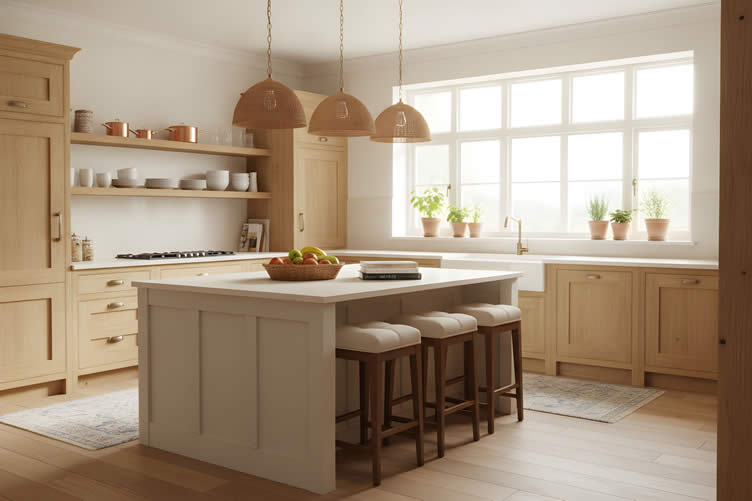
copyright image by 123rf.com
Warm, Curvy Hardware
An essential component of creating a cozy, inviting kitchen is the hardware you choose.
If a full cabinet overhaul is out of reach, swapping your existing hardware for softer, more curvaceous designs can make an impactful difference.

Rounded knobs or handles in warm metallics like brass or bronze add character and charm, elevating the space without a hefty price tag.
It’s an easy, budget-friendly update that brings personality and warmth to your kitchen’s aesthetic.
view ideas: Hardware Types and Styles(new win)

-
Scroll up to directory … or scroll to next section addressing home remodeling trends …



Tackling home upgrades and fulfilling all your home improvement needs …

… save this curated directory of ideas for future reference.

… home remodeling and improvement

second “remodeling trends” idea
AI generated image by 123rf.com
Section 2: What Makes a Bathroom Feel Like a Spa?
Notes:
-
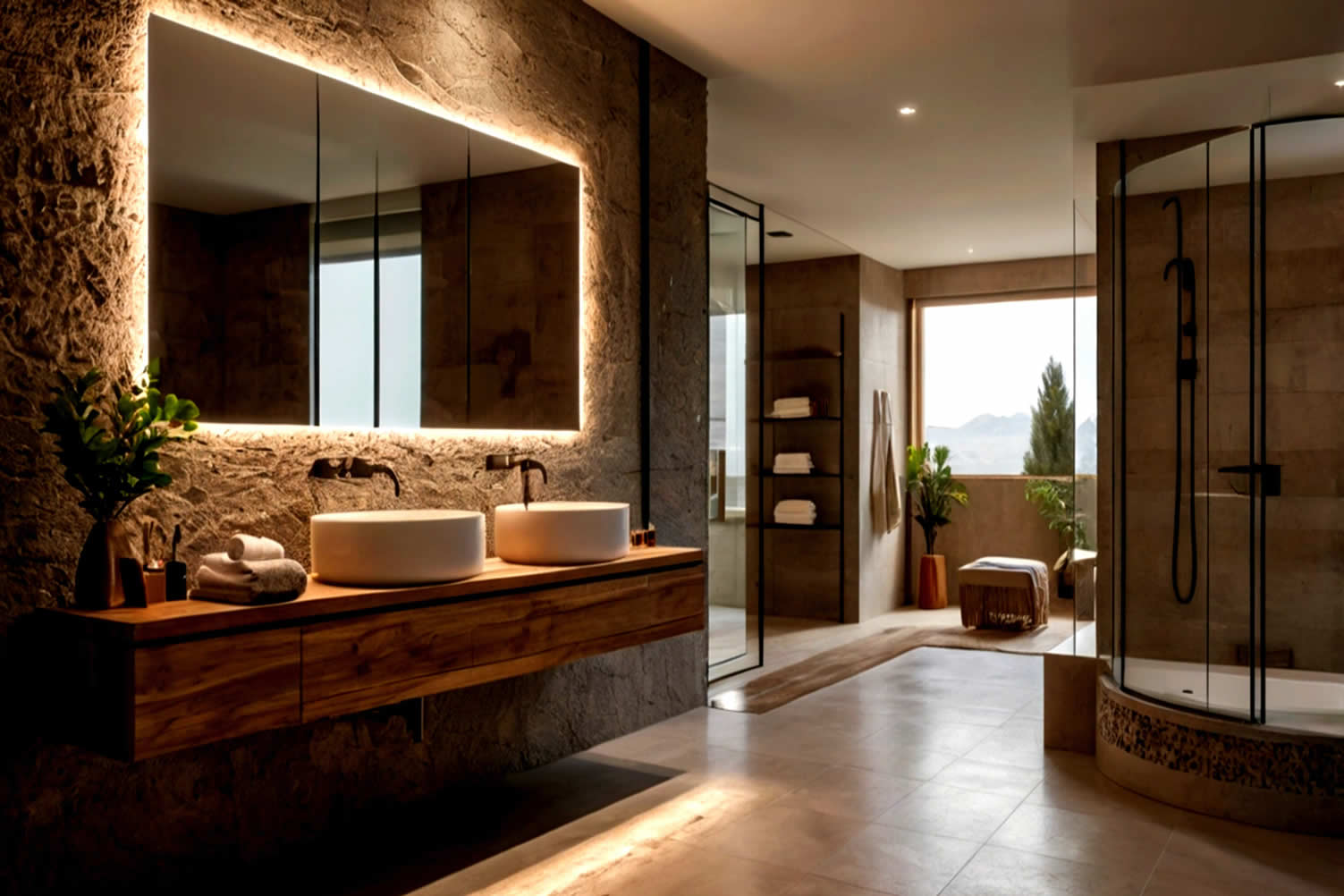
Bathrooms have undergone one of the most dramatic redefinitions in home design. No longer purely functional, they’re now used for far more than getting ready in the morning.
According to the 2026 U.S. Houzz Bathroom Trends Study, a survey of 1,619 U.S. homeowners fielded in August 2026, half of renovating homeowners spend more time in their bathroom after an upgrade.
Most of that time goes toward beauty and pampering routines (28%) or simple rest and relaxation (23%). When asked what makes a bathroom feel most relaxing, homeowners pointed to cleanliness (76%), a spacious shower (71%), and organized storage (67%), followed by natural light (40%) and dimmable lighting (39%).
This explains why shower upgrades are now central to bathroom remodels. The study found that 49% of homeowners enlarged their shower, up 10 percentage points year over year.
Another 26% removed a bathtub altogether, and 79% of them used the reclaimed space to expand their shower. Wet rooms, which blend the shower and surrounding floor into a single waterproof space, now make up 18% of renovated bathrooms, up from 13% two years ago.
The top motivations for choosing one were better use of space (41%) and accessibility or universal design (40%), the latter up 14 percentage points from the previous study.
-
-
how to: Transform Your Bathroom into a Spa-Like Retreat
Creating a spa-inspired bathroom is more than a luxury—it’s an investment in daily relaxation and well-being. Homeowners are increasingly looking for ways to escape the stress of everyday life and are turning to their bathrooms as a sanctuary for rejuvenation.
By incorporating natural materials, thoughtful design elements, and multi-sensory details, you can turn this often-overlooked space into a serene retreat.
Below, we explore how specific design choices contribute to a spa-like atmosphere and why this trend continues to gain traction.
copyright image by 123rf.com
-
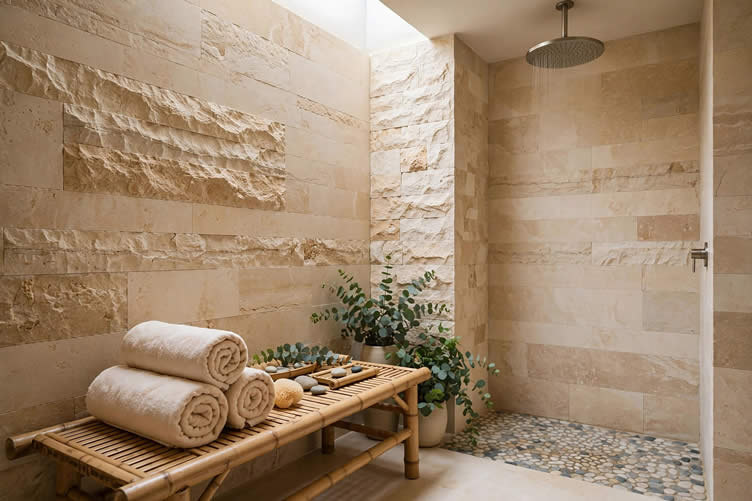
Natural Materials and Tactile Surfaces
Nature has an undeniable calming influence, and bringing organic elements into the bathroom can transform a stark, utilitarian space into a warm and welcoming haven.
Incorporating natural materials such as warm wood tones, organic stones, and earthy color palettes helps to soften the hard edges typically associated with bathrooms.
Teak shower benches, walnut or white oak floating vanities, and wood-look porcelain tiles create a harmonious blend of durability and softness, lending warmth to traditionally cool surfaces.
Organic stone, including travertine and marble, along with matte and large-format tiles, provides a soothing and tactile experience while minimizing grout lines, which can disrupt visual harmony.
Using earthy shades such as warm beige, sage green, taupe, or creamy off-white further enhances the calming ambiance, creating a balanced palette that feels timeless and tranquil.
-
Restorative Water and Comfort Features
One hallmark of a spa bathroom is the elevated focus on water as a restorative element. Walk-in rain and steam showers, designed with curbless enclosures, open up the space while enabling effortless access.
Oversized rainfall showerheads and handheld wands deliver a luxurious, immersive hydrotherapy experience, while steam generators detoxify both the mind and body. These features turn daily cleansing routines into opportunities for self-care.
Freestanding soaking tubs add another level of indulgence. Positioned by windows or incorporated into a wet room zone, they provide a focal point for rest and relaxation, inviting homeowners to slow down and soak away stress.
Alongside these water features, radiant heated floors and wall-mounted towel warmers banish the discomfort of cold tiles, replicating the pampering amenities of luxury resorts.
-
Clutter-Free Storage and Sensory Accents
A cluttered bathroom can quickly disrupt a peaceful environment. Prioritizing hidden storage solutions, such as built-in shower niches, deep vanity drawers, or closed cabinetry, ensures that toiletries remain out of sight, creating a serene and streamlined atmosphere.
This functionality allows the space to feel open and organized while fostering mental clarity.
To amplify the sensory experience, adding humidity-resistant greenery like fresh eucalyptus, snake plants, and pothos can lend both fragrance and vibrancy to the room.
Textures also play a critical role in the spa-like environment; upgrading to thick Turkish cotton towels, luxurious waffle-weave robes, and delicately scented essential oil diffusers featuring cedarwood, lavender, or eucalyptus fills the senses with comfort every time you enter.
-
How Much Does a Spa-Style Bathroom Remodel Cost?
The cost of transforming your bathroom into a spa-like retreat can vary widely depending on the size of the space, material choices, and the complexity of desired features. On average, homeowners may expect to allocate between $15,000 and $50,000 for a full remodel.
Elements such as custom vanities, high-end stone surfaces, and advanced water systems can increase the price, but the investment pays off not only in daily relaxation but also in improved home value.
-
Why Are Homeowners Hiring Professionals More Often?
DIY efforts often fall short when it comes to spa-style bathroom renovations due to the complexity of integrating plumbing, electrical systems, and custom installations.
Professional remodelers bring expertise and precision to the project, ensuring everything from steam showers to radiant flooring is expertly installed and built to last.
Additionally, their knowledge of design trends and materials helps homeowners achieve a harmonious look that balances both function and aesthetics. With a professional’s touch, the result is a worry-free retreat tailored perfectly to your vision.
By blending thoughtful design, functional upgrades, and natural elements, a spa-like bathroom provides a daily escape from life’s stresses.
Whether you’re soaking in a luxurious bathtub, walking across heated floors, or unwinding in the gentle mist of a steam shower, such a space offers not only relaxation but also an enduring investment in your well-being.
More Supporting Information
(view images, summary table and useful ideas – or scroll to side note and next topic)
Bathroom Spa-Like Retreat
(from the summary table below)
Feature Description Benefits Natural Materials and Tactile Surfaces Utilizes warm wood tones, organic stones, and earthy color palettes like beige, sage green, and taupe. Creates a calming and visually harmonious atmosphere, softening hard edges typically found in bathrooms. Restorative Water and Comfort Features Includes walk-in rain and steam showers, freestanding soaking tubs, and heated floors. Transforms daily routines into stress-relieving self-care opportunities while adding indulgence and functionality. Clutter-Free Storage and Sensory Accents Features hidden storage like shower niches and deep vanity drawers, plus greenery and textures such as Turkish cotton towels. Maintains a serene and organized environment while enhancing sensory comfort with natural accents and textures. Cost of Spa-Style Remodel Ranges from $15,000 to $50,000 depending on materials, size, and complexity of features. Provides daily relaxation and increases home value, balancing aesthetic and functional gains. Professional Expertise Professionals ensure precise installation of plumbing, electrical, and custom designs aligned with modern trends. Leads to a worry-free retreat designed for durability, functionality, and visual harmony. 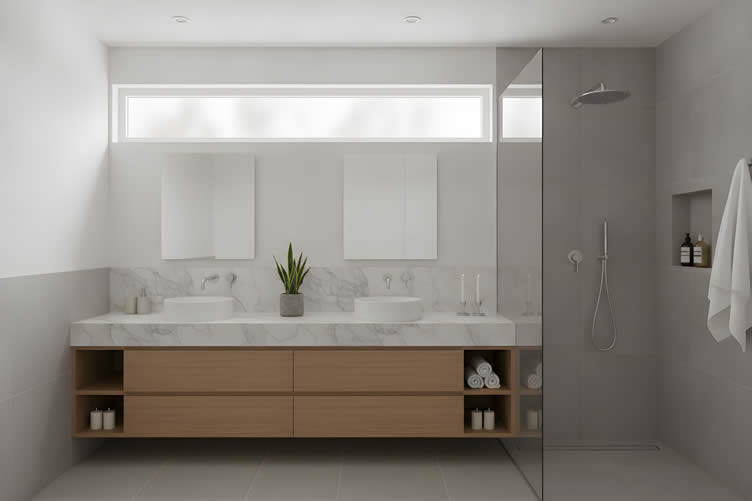
copyright image by 123rf.com
Elevate Your Bathroom
The shower is undeniably the centerpiece of any spa-like bathroom, transforming daily routines into rejuvenating escapes.
Picture stepping into a spacious shower enclosure, offering enough room to move comfortably while indulging in a luxurious full massage spray.

It’s more than just practicality; it’s about creating those moments that feel wonderful and restorative.
The right shower enclosure not only enhances your bathroom’s aesthetics but also redefines how you experience relaxation at home.
view ideas: perfect shower enclosure(new win)
-
-
Scroll up to directory … or scroll to next section addressing home remodeling trends …
… home remodeling – improvement – repair
May We Suggest Other Photo Remodeling Ideas About Other
“Home Remodeling Trends and Decisions …” (new win)

third “remodeling trends” idea
AI generated image by 123rf.com
Section 3: Why Are Curved Details Replacing Sharp Angles
… In Home Design?
Notes:
-
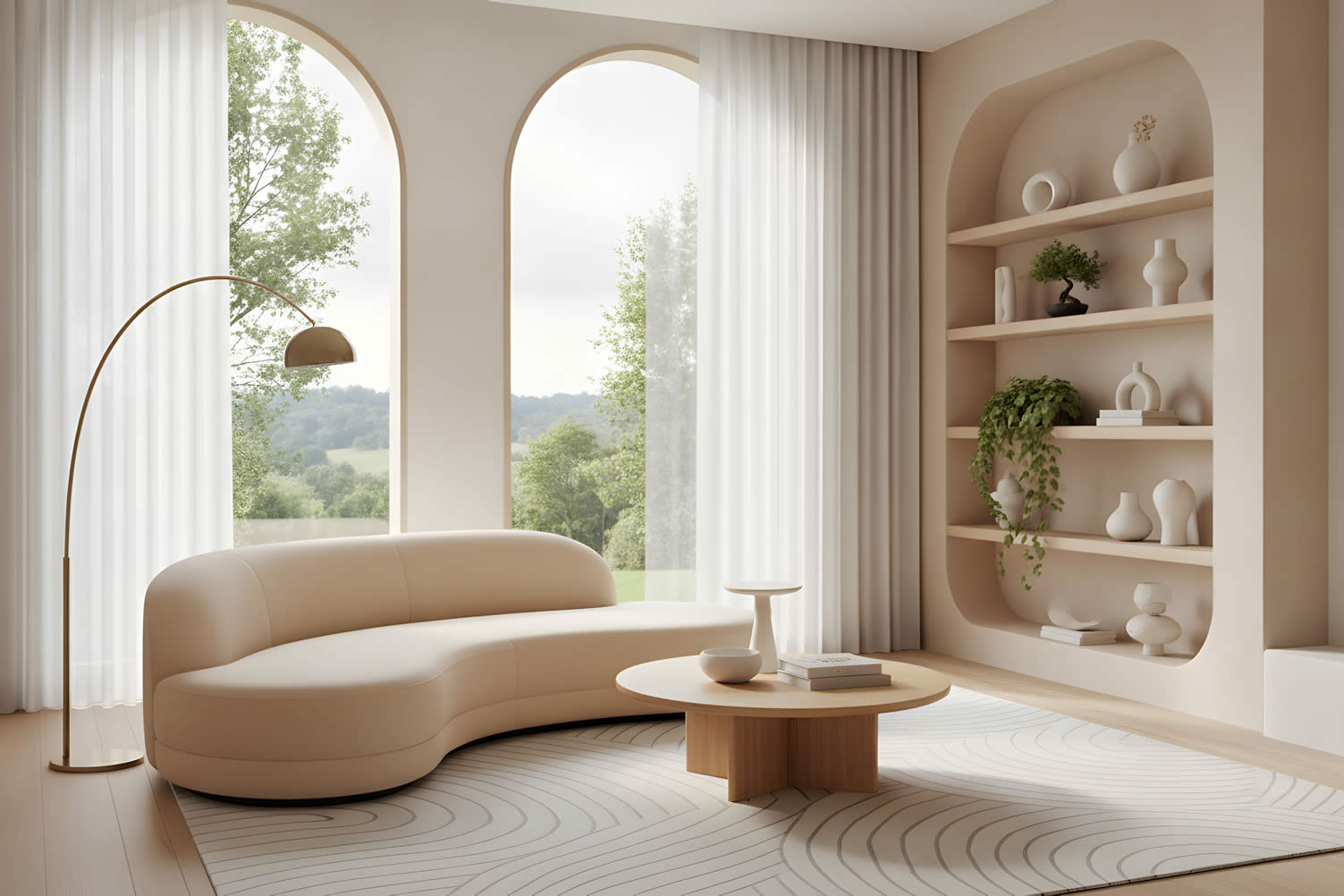
If warm kitchens and spa bathrooms represent a shift in materials and mood, curved architectural details represent a shift in form itself. Across kitchens, staircases, and tile work, homeowners are searching for softer, more organic shapes instead of the sharp angles that defined minimalist design for much of the past decade.
The numbers here are striking. According to the 2026 U.S. Houzz Emerging Summer Trends Report, searches for “arched range hood” rose 177%, “arched pantry door” rose 130%, and “rounded kitchen island” rose 123% between January and March 2026 compared to the same period the previous year.
Tile searches followed the same pattern, with “scalloped tile” more than tripling and “wave tile” up 38%. Even structural elements embraced the trend, with “curved staircase” searches rising 66% and “curved peninsula and islands” up 61%.
Inland Bath & Kitchen’s July 2026 trends report echoes this shift from an industry perspective, noting that sculptural, curved kitchen islands and furniture-style cabinet legs are increasingly replacing the sharp, waterfall-edge islands that were popular in recent years.
-
-
using: The Rise of Curves in Modern Home Design
Curved details are making a powerful comeback in home design, subtly transforming living spaces into havens of comfort, flow, and connection.
Shifting away from the stark rigidity of sharp angles, soft geometry invites a sense of tranquility and warmth into interiors, resonating with our innate connection to nature.
This transition addresses deeper psychological needs while enhancing the functionality and aesthetics of our everyday environments.
AI generated image by 123rf.com
-
Psychological Comfort and Neuroscience
Our brains are wired to respond to our surroundings, often on a subconscious level. Sharp angles can register as potential threats, activating a subtle stress response—even if we are not consciously aware of it.
Curved details, on the other hand, soothe the mind by eliminating these stress triggers.
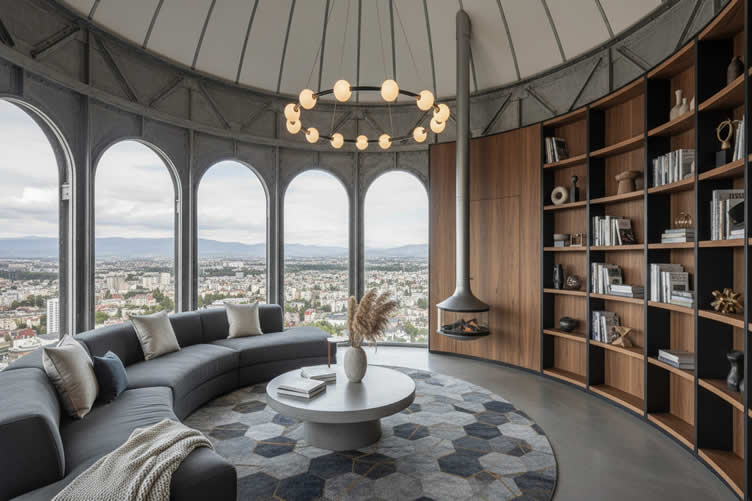
Arched doorways, rounded furniture edges, and soft contours mirror the organic shapes found in nature, evoking the calming sensation of rolling landscapes, flowing rivers, or smoothed riverstones. This biophilic connection promotes mental well-being by making spaces restorative and inviting.
Curved surfaces also interact differently with natural light. Where flat planes and sharp edges create stark, high-contrast shadows, arcs and fluted designs gently diffuse daylight across walls, dispersing it in a way that feels warmer and more harmonious.
These features work together to shift a home’s emotional tone, transforming it into a space of sanctuary rather than formality.
-
Functional Flow and Everyday Safety
Curves aren’t just visually soothing; they create spaces that are easier and safer to use. Rounded shapes in areas like the kitchen or living room improve traffic circulation by naturally guiding movement, avoiding abrupt stops or blocked pathways.
For families, the absence of sharp corners on countertops, coffee tables, or cabinets provides an added layer of everyday safety, reducing bumps and bruises in spaces frequented by children or during busy household moments.
Curved layouts also encourage a closer sense of connection among people. Crescent-shaped sofas or round dining tables subtly orient occupants toward one another, fostering better face-to-face interaction.
This design choice shifts the focus from individual to communal experiences, making shared spaces feel more intimate and welcoming.
-
Modern Fabrication and Architectural Shifts
Advances in fabrication techniques have revolutionized the accessibility of curved designs. Flexible wood panels and modern CNC technology allow designers to create fluid, arched shapes with precision and at a more affordable cost than before.
Rounded kitchen islands, curved bathroom vanities, and arched drywall corners have shed their former reputation as prohibitively custom options.
To avoid veering into excessive thematic looks, today’s designers pair these curves with crisp straight lines for a balanced, timeless aesthetic. This mix grounds the room, ensuring soft geometry enhances the space without overpowering it.
-
Creating a Spa-Like Bathroom Sanctuary
The soothing nature of curved details finds a perfect match in bathroom design, where relaxation and rejuvenation are key.
Rounded mirrors, arched shower enclosures, and soft-edged fixtures evoke the feeling of a high-end spa while supporting psychological comfort.
These shapes help to reduce perceived threat and tension, inviting a serene experience that allows people to start or end their days anchored in calm.
Curves also improve how light interacts with the space. A gently arched window or fluted wall tiles scatter light in soft gradients across the room, avoiding harsh shadows and amplifying a spa-like glow.
By reshaping these traditionally sharp spaces, homeowners are transforming bathrooms into tranquil escapes that prioritize wellness and harmony.
By blending science, function, and artful design, the move toward curved shapes reimagines what it means for a home to feel welcoming. It is a shift that marries aesthetic beauty with practical benefits, ensuring each element of the home contributes to human connection, safety, and ease.
-
Is the Curved Design Trend Just About Looks?
Not entirely. This movement toward softer geometry aligns with what Houzz describes as growing interest in biophilic design, which saw a 112% increase in searches according to the same Emerging Summer Trends Report.
The underlying idea is that curves and organic shapes feel more aligned with the natural world than hard angles, which may be part of why they’re resonating with homeowners who are also prioritizing calm, wellness-focused spaces elsewhere in their homes.
A curved kitchen island or an arched doorway doesn’t just change how a room looks; it can change how the space feels to move through and spend time in.
Choose curved details if you’re drawn to a softer, more organic aesthetic and want visual continuity with wellness-focused choices elsewhere in your home.
Choose a more classic, angular approach if your home’s existing architecture leans traditional or formal, since curves tend to read as more contemporary and may feel out of place without complementary updates elsewhere.
More Supporting Information
(view images, summary table and useful ideas – or scroll to side note and next topic)
Aspect Details Trends and Data Benefits Shift in Form Curved details are replacing sharp angles in home design, showing preference for softer, more organic shapes. Searches for “arched range hood” rose 177%, “arched pantry door” by 130%, and “rounded kitchen island” by 123% (2026 Houzz Report). Brings tranquility, warmth, and a connection to nature while addressing psychological comfort needs. Psychological Impact Curves mirror natural shapes, promoting calmness and reducing subconscious stress triggers. “Curved staircase” searches increased by 66%, and “curved islands/peninsulas” rose by 61%. Evokes rolling landscapes and flowing forms, enhances mental well-being, and diffuses light harmoniously. Functional Benefits Curves improve traffic flow and everyday safety by avoiding sharp corners and guiding movement. Furniture-style cabinet legs and rounded kitchen islands are rising in popularity (July 2026 Inland Bath & Kitchen Report). Fosters connection with crescent-shaped layouts, reduces household injuries, and enhances usability. Fabrication Advances Modern technology allows for precise and cost-efficient creation of curved elements. Interest in biophilic design rose by 112% according to 2026 Emerging Summer Trends Report. Marries aesthetic beauty with practicality, creating timeless designs that balance soft and straight lines. Bathroom Sanctuary Curved shapes like round mirrors and arched enclosures support relaxation and harmony. Fluted wall tiles scatter light softly, enhancing a spa-like ambiance. Transforms bathrooms into wellness-focused spaces with fewer sharp edges and greater calm. 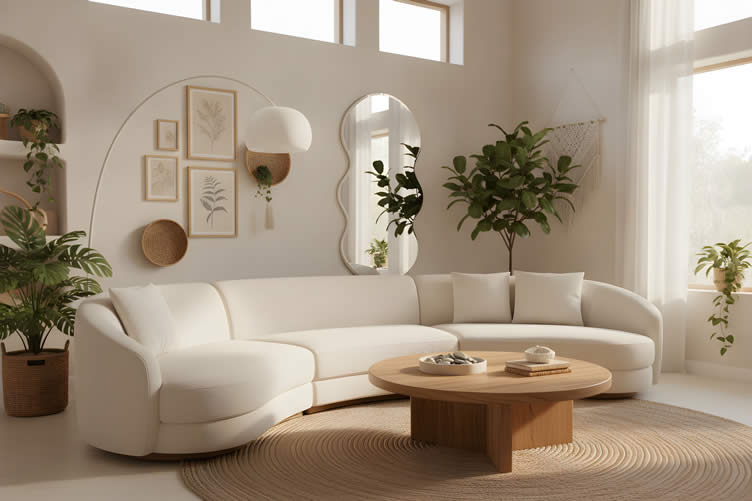
AI generated image by 123rf.com
Budget-Friendly Tips
Making your room cozy doesn’t have to cost a fortune. Swap harsh bulbs for warm-toned ones or add affordable string lights for soft lighting.
Layer in texture with inexpensive throw blankets, cushions, or secondhand rugs.
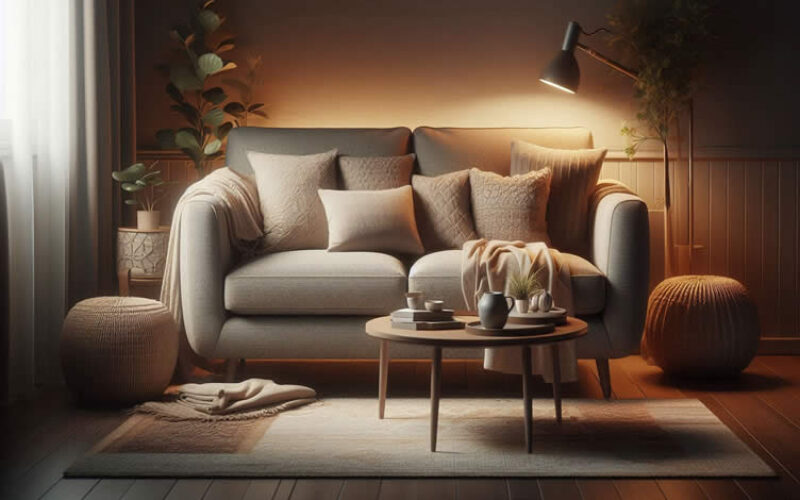
Low-maintenance houseplants add warmth and a touch of nature.
Rearrange your furniture for a more intimate layout, and finish with personal touches like framed photos or DIY decor to make the space your own.
view ideas: making your room look cozy(new win)
-
-
Scroll up to directory … or scroll to next section addressing home remodeling trends …

Outline the specific requirements needed for making …

… key home improvement and remodeling decisions
fourth “remodeling trends” idea
copyright image by 123rf.com
Section 4: What Should You Consider Before Starting
… Your Remodeling Project?
Notes:
-
With so many directions to choose from, the challenge isn’t finding inspiration. It’s figuring out which trends genuinely fit your home and your life. A few questions can help you narrow things down.
-
Does this align with how you actually live?
A spa-style bathroom sounds appealing, but if your household needs double sinks and quick morning turnover more than a soaking tub, prioritize function first.
The Houzz Bathroom Trends Study found double-sink vanities now appear in 64% of renovated bathrooms, up from 47% previously, a sign that many homeowners are weighing daily usability alongside relaxation features.
-
Will this still feel current in ten years?
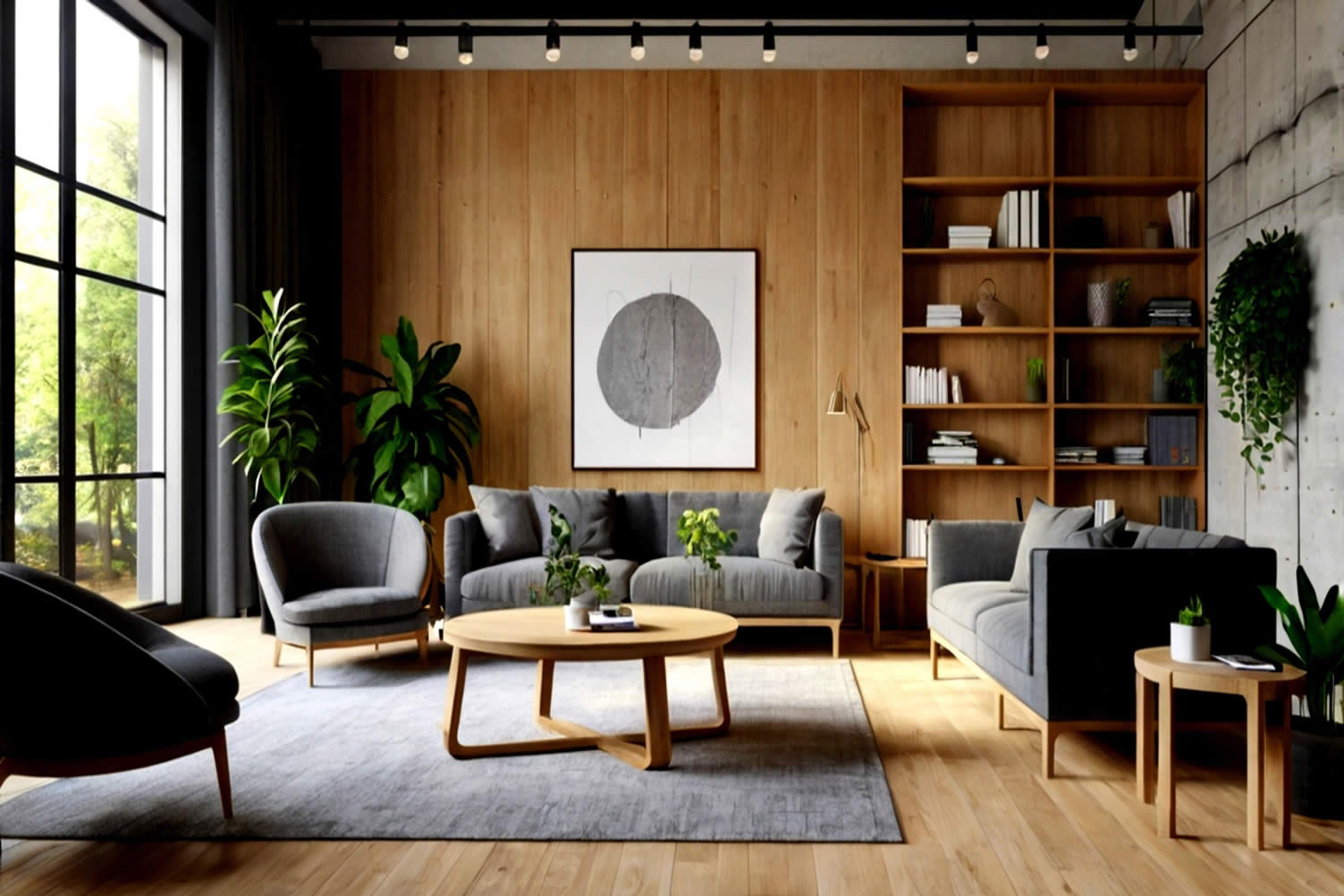
Curved details and warm wood tones currently show strong search growth, but trends evolve. Choosing materials you genuinely love, rather than purely chasing what’s popular, tends to produce more lasting satisfaction.
-
What’s your realistic budget?
Between the $15,000 median bathroom spend and the significantly higher costs for major remodels or larger spaces, it’s worth setting a budget early and prioritizing the features that matter most to you, whether that’s a larger shower, warmer cabinetry, or a few curved accents.
Resources like Letsrenovate.com can be a helpful starting point as you research remodeling home improvement options and begin connecting with professionals in your area, especially as you weigh these decisions against your own home’s needs and constraints.
It’s also worth noting that overall remodeling spending growth is expected to moderate.
According to the Harvard Joint Center for Housing Studies’ Leading Indicator of Remodeling Activity, published January 26, 2026 and revised April 15, 2026, year-over-year growth in home renovation and repair spending is projected to ease from 2.1% in mid-2026 to 1.6% by the end of the year, with annual homeowner improvement spending still expected to reach $518 billion by the fourth quarter of 2026.
Interest rates and building material costs remain headwinds, which makes thoughtful prioritization even more valuable.
More Supporting Information
(click to view summary table and useful ideas – or scroll to side note and next topic)
Consideration Details Supporting Data Living Alignment Ensure the remodel aligns with your daily lifestyle needs.
While spa-style bathrooms may seem appealing, prioritize practical features like double sinks for quick morning routines if needed.
The Houzz Bathroom Trends Study found that double-sink vanities are present in 64% of renovated bathrooms, up from 47% previously. Timeless Appeal Choose materials and designs you genuinely love to ensure they remain pleasing over time, even as trends like curved details and warm wood tones evolve. Trends may shift, so opting for lasting personal preferences ensures prolonged satisfaction. Budget Planning Set a realistic budget early to prioritize key features that matter most, like larger showers, warmer cabinetry, or stylish curved accents.
Use reliable resources to research and connect with professionals.
The median bathroom remodel spend is $15,000, with higher costs for major projects. Letsrenovate.com is a recommended resource for budgeting and planning. Remodeling Growth Be mindful of moderation in remodeling spending growth with projected decreases in year-over-year growth, reflecting headwinds like interest rates and material costs. According to the Harvard Joint Center for Housing Studies, homeowner improvement spending is expected to reach $518 billion by Q4 2026, although the growth rate will ease to 1.6% by year-end. 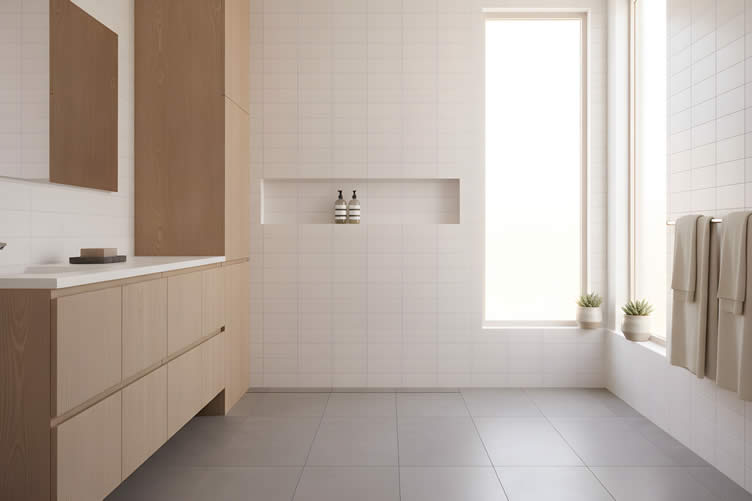
AI generated image by 123rf.com
Smart Strategies to Save Money
Taking on a remodel, whether it’s your kitchen or bathroom, can feel overwhelming due to the costs involved.
However, with a little strategy and creativity, you can transform your space without breaking the bank.
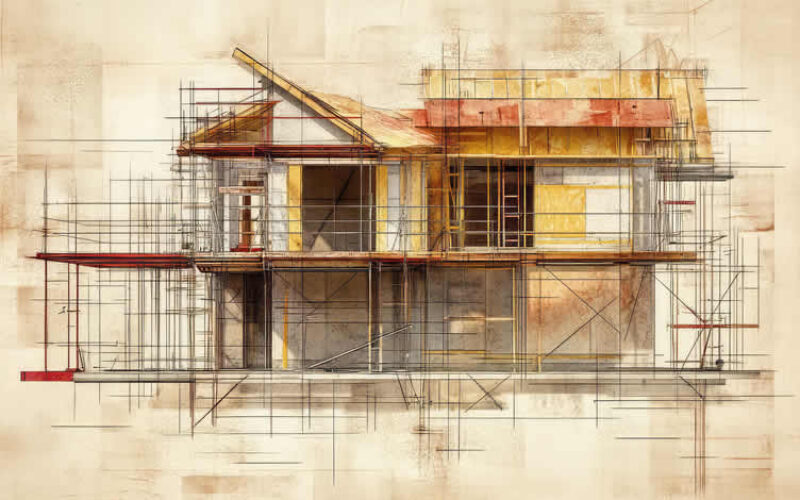
Opting for a DIY approach for tasks within your skill level and phasing updates over time can help significantly cut costs.
Reuse existing materials where possible, and focus your budget on impactful updates like fixtures or cabinet refacing.
Small, intentional steps can make a big difference while keeping your remodel affordable and manageable.
view ideas: home remodeling savings(new win)
-
Scroll up to directory … or scroll to next section addressing home remodeling trends …
SHARE IT ..! Someone in your network might benefit from this insightful post about the latest home remodeling trends. Feel free to share it on Facebook, X (formally Twitter), LinkedIn, or Pinterest!



Download this PDF for a concise summary of all you need to know about …?
fifth “remodeling trends” idea


AI generated image by 123rf.com
Section 5: Frequently Asked Questions
Notes:
-
-
How much should I budget for a bathroom or kitchen remodel?
Bathroom renovation budgets vary widely by scope. According to the 2026 U.S. Houzz Bathroom Trends Study, the median spend was $15,000 in 2025, rising to $25,000 for major remodels and $30,000 or more for larger bathrooms over 100 square feet.
Specific kitchen renovation cost data wasn’t available in current research, so it’s best to consult local contractors for an estimate based on your project’s scope.
-
How long does a typical kitchen or bathroom remodel take?
Specific timeline data wasn’t available in current research. Timelines vary significantly based on project scope, whether structural changes are involved, and contractor availability, so it’s best to discuss an estimated timeline directly with your chosen contractor before starting.
-
Will these upgrades increase my home’s resale value?
Reliable, current return-on-investment figures for these specific upgrades weren’t available in current research.
For accurate value estimates, consult current Cost vs. Value data or speak with a local real estate appraiser and contractor familiar with your market.
-
Who are these design trends best suited for?
These trends tend to appeal most to homeowners planning a mid-to-major renovation who prioritize comfort and long-term livability over purely trend-driven updates.
If you’re planning a lighter refresh, smaller-scale changes, like a new paint color or updated lighting, can incorporate elements of these trends without a full remodel.
-
Are there risks to following these trends too closely?
The main risk is prioritizing trend-driven choices over your home’s existing architecture or your household’s practical needs.
Curved details, for instance, tend to suit contemporary homes more naturally than traditional ones. It’s generally wise to choose a mix of trend-forward touches and timeless elements you’ll be happy with for years to come.
-
What are alternatives if I can’t afford a full remodel right now?
Smaller updates can capture some of the same warmth and calm without a full renovation. Houzz’s Emerging Summer Trends Report suggests dimmable lighting, soft textiles, and maximizing natural light as accessible ways to bring a spa-like feel into a bathroom.
In kitchens, swapping hardware, adding a warm-toned backsplash, or introducing natural textures through accessories can offer a similar effect on a smaller budget.
More Supporting Information
(click to view summary table and useful ideas – or scroll to side note and next topic)
Question Answer How much should I budget for a bathroom or kitchen remodel? Bathroom renovation budgets vary widely by scope. According to the 2026 U.S. Houzz Bathroom Trends Study, the median spend was $15,000 in 2025, rising to $25,000 for major remodels and $30,000 or more for larger bathrooms over 100 square feet.
Specific kitchen renovation cost data wasn’t available in current research, so it’s best to consult local contractors for an estimate based on your project’s scope.
How long does a typical kitchen or bathroom remodel take? Specific timeline data wasn’t available in current research. Timelines vary significantly based on project scope, whether structural changes are involved, and contractor availability, so it’s best to discuss an estimated timeline directly with your chosen contractor before starting. Will these upgrades increase my home’s resale value? Reliable, current return-on-investment figures for these specific upgrades weren’t available in current research.
For accurate value estimates, consult current Cost vs. Value data or speak with a local real estate appraiser and contractor familiar with your market.
Who are these design trends best suited for? These trends tend to appeal most to homeowners planning a mid-to-major renovation who prioritize comfort and long-term livability over purely trend-driven updates.
If you’re planning a lighter refresh, smaller-scale changes, like a new paint color or updated lighting, can incorporate elements of these trends without a full remodel.
Are there risks to following these trends too closely? The main risk is prioritizing trend-driven choices over your home’s existing architecture or your household’s practical needs.
Curved details, for instance, tend to suit contemporary homes more naturally than traditional ones. It’s generally wise to choose a mix of trend-forward touches and timeless elements you’ll be happy with for years to come.
What are alternatives if I can’t afford a full remodel right now? Smaller updates can capture some of the same warmth and calm without a full renovation. Houzz’s Emerging Summer Trends Report suggests dimmable lighting, soft textiles, and maximizing natural light as accessible ways to bring a spa-like feel into a bathroom.
In kitchens, swapping hardware, adding a warm-toned backsplash, or introducing natural textures through accessories can offer a similar effect on a smaller budget.
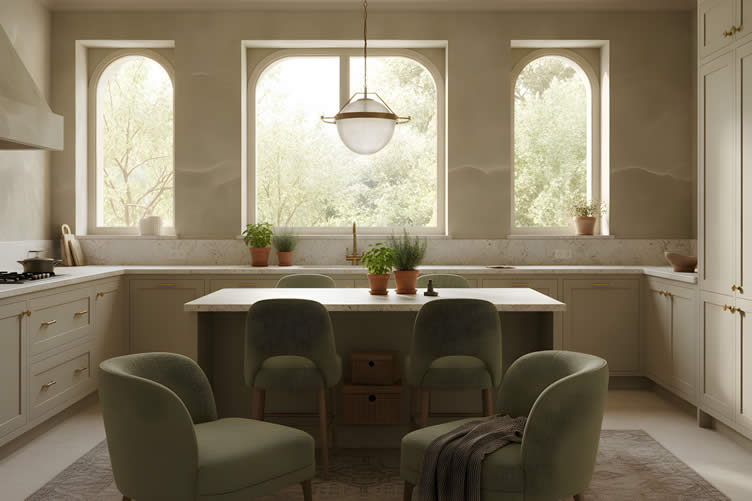
copyright image by 123rf.com
Mastering Your Upgrades
The key to any upgrade lies in effective budgeting.
Without a clear plan, costs can quickly spiral out of control, leaving you overwhelmed.

By setting realistic limits and following proven budgeting techniques, you can ensure every dollar is well spent.
Prioritize essentials, track expenses meticulously, and allocate funds toward your goals to maximize your upgrade’s impact without overspending.
view ideas: How To Budget A Home Remodel(new win)
-
Scroll up to directory … or scroll to last section addressing home remodeling trends …
Find Home Remodeling Services Additions Major Remodels Minor Remodels Disability Needs Plumbing Drain Clearing Appliances Electrical top-rated, pre-screened local contractors FREE: download contractor selection enter zip code – powered by HomeAdvisor ™
Quick Contractor Guides selecting negotiating working with inspecting

sixth and last “remodeling trends” idea
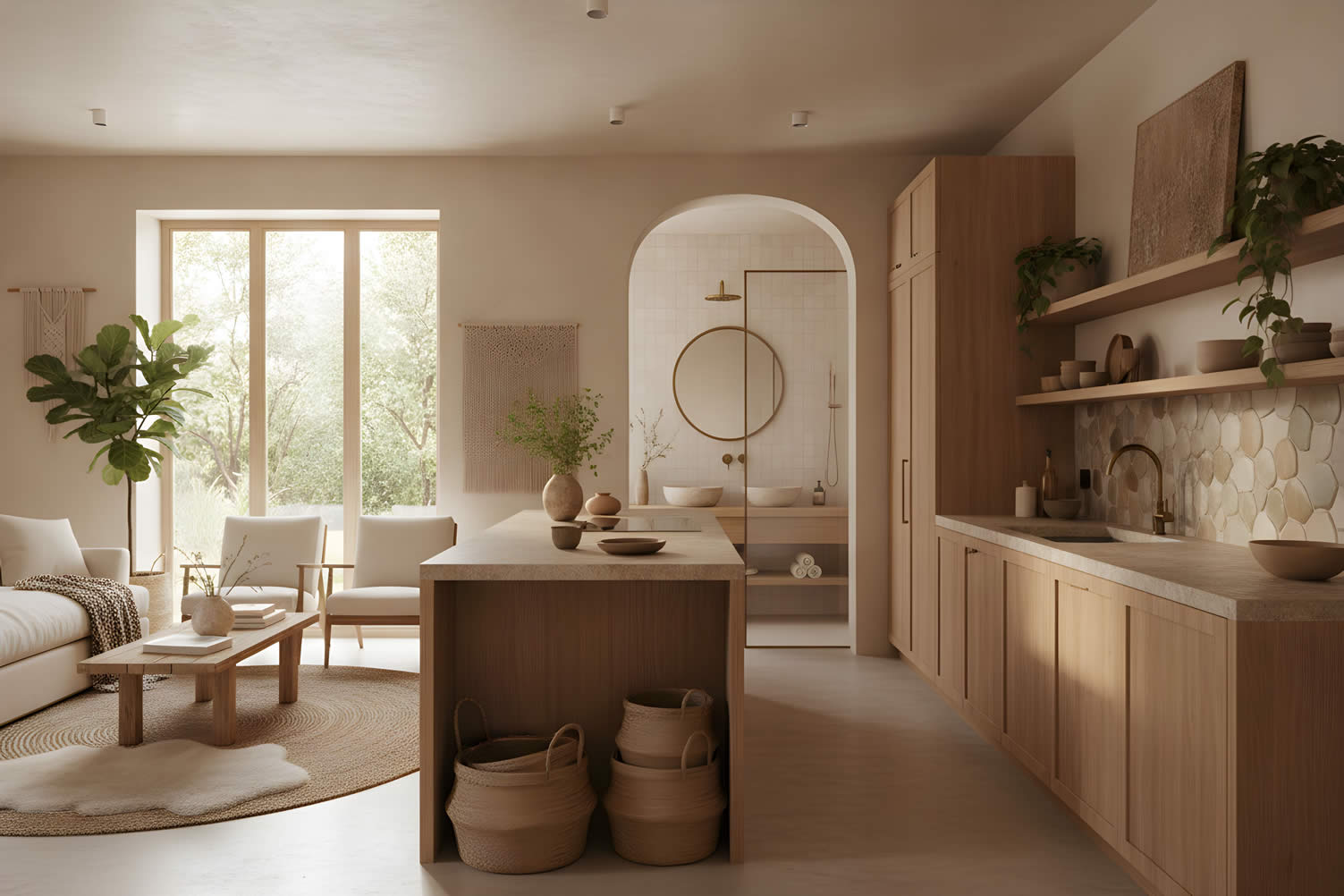
AI generated image by 123rf.com
Section 6: Choosing the Perfect Contractor for Your Home Design
Notes:
-
Finding the right contractor is essential when redesigning your kitchen, bathroom, or home with a focus on warmth, natural materials, and thoughtful details. The right professional can bring your vision to life while ensuring functionality and longevity.
Here’s what the right contractor can offer:
- Expert Guidance:
Contractors with experience in natural and wood-focused materials can suggest designs that not only look stunning but also stand the test of time. - Personalized Solutions:
They tailor designs to your preferences, whether it’s arched doorways for a softer aesthetic or rounded islands that blend elegance with functionality. - Attention to Wellness Features:
Specialized contractors can incorporate larger showers, calming textures, and spa-like elements in bathrooms to create a true wellness retreat. - Seamless Execution:
Professionals efficiently manage the timeline, materials, and craftsmanship, minimizing stress and ensuring the final design exceeds expectations.
Where to Find the Right Contractor
To achieve your vision, consider these tips for locating and selecting the right professional:
- Online Reviews and Portfolios:
Explore websites like Houzz, Yelp, and contractor portfolios to find examples of work matching your style. - Local Recommendations:
Ask friends, neighbors, or community forums for trusted contractor suggestions. - Design Centers or Showrooms:
Visit local showrooms where contractors often collaborate with designers and exhibit their work. - Interview Multiple Candidates:
Speak with at least two or three contractors to compare experience, timelines, and quotes tailored to your goals.
The right contractor not only transforms your space but also makes the entire process smoother and more rewarding.
LetsRenovate has partnered with HomeAdvisor (Angi)™, a renowned provider of highly-rated, carefully-vetted local remodeling and design contractors. Start your search here by choosing the type of contractor you need and entering your zip code to find local professionals.
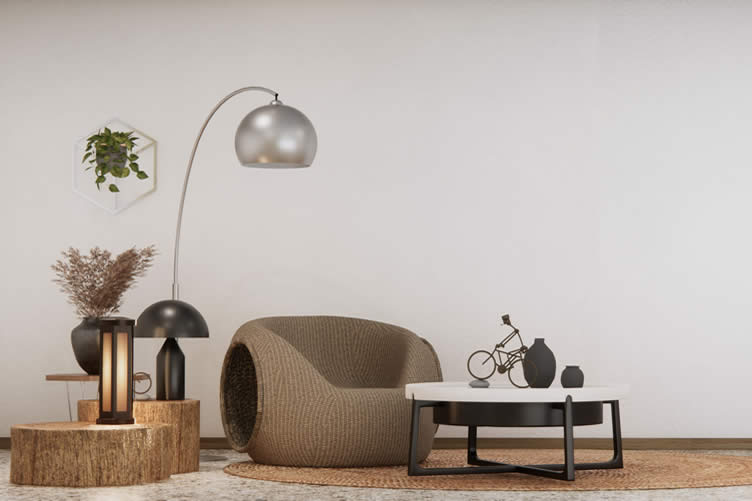
copyright image by 123rf.com
But Wait!
Before starting your search and evaluation of outdoor kitchen contractors, it is highly recommended to download and use this evaluation worksheet.
This resource will help you objectively rank and assess potential contractors, considering essential factors such as pricing, licensing, and referral information.

Evaluation Sheet
File Type:Scroll up to directory … or scroll to conclusion and references …
- Expert Guidance:
-
Conclusion:
… bringing it all together for your home
What ties warm kitchens, spa bathrooms, and curved details together isn’t a single material or color palette. It’s a shared philosophy: homeowners want their spaces to feel inviting, calming, and genuinely suited to how they live, not just visually impressive.
Whether that means swapping a sharp-edged island for a rounded one, enlarging a shower instead of maintaining a rarely used tub, or simply choosing a warmer cabinet finish, these choices add up to homes that feel more like personal retreats.
As you begin your own remodeling journey, start by identifying which of these directions genuinely resonates with your household’s needs.
Research your options, set a realistic budget based on the scope you’re considering, and don’t hesitate to bring in experienced professionals, particularly for projects involving plumbing, structural changes, or custom curved elements.
The right remodel is the one that reflects your life, not just the latest search trends.
Sources and References
- Houzz Pro Learn, “8 Hot Home Trends for Summer and Beyond” by Elena Vega, June 10, 2026, summarizing the 2026 U.S. Houzz Emerging Summer Trends Report: https://pro.houzz.com/pro-learn/blog/8-hot-home-trends-for-summer-and-beyond
- 2026 U.S. Houzz Emerging Summer Trends Report: https://www.houzz.com/magazine/2026-u-s-houzz-emerging-summer-trends-report-stsetivw-vs~185266615
- 2026 U.S. Houzz Bathroom Trends Study, Houzz press release, September 30, 2026: https://www.houzz.com/press/1025/Room-to-Unwind-Homeowners-Are-Spending-More-Time-in-the-Bathroom-for-Self-Care-Houzz-Study-Finds
- 2026 U.S. Houzz Kitchen Trends Study, reported by FloorDaily.net, January 13, 2026: https://www.floordaily.net/flooring-news/houzz-releases-2026-kitchen-trends-study/
- Inland Bath & Kitchen, “Kitchen and Bathroom Design Trends 2026,” July 14, 2026: https://inlandbath.com/blog/kitchen-and-bathroom-design-trends-2026-what-is-in-what-is-out-and-tri-cities-investment-tips
- Harvard Joint Center for Housing Studies, “Remodeling Growth Set to Downshift in Late 2026,” January 26, 2026 (revised April 15, 2026): https://www.jchs.harvard.edu/blog/remodeling-growth-set-downshift-late-2026
Scroll up to directory … or scroll to more home interior-related topics …
-
ideas to view and compare from the information discussed above
books: home remodelingillustrated building codeshome decorating
- What comments can you share about
remodeling trends you have tried?

Calendar For:
Home Maintenance
File Type:
… view our sharing links below for a quick "share the knowledge"
Cover image credit: remodeling trends by 123rf.com
end of post … please share it!
 |
did you find the review of the latest home remodeling trends helpful? If so, please share the article with your friends and family! |
Nice pic idea? Leave us a quick comment below.
And please share this pic idea within your social networks.