Summary Outline –
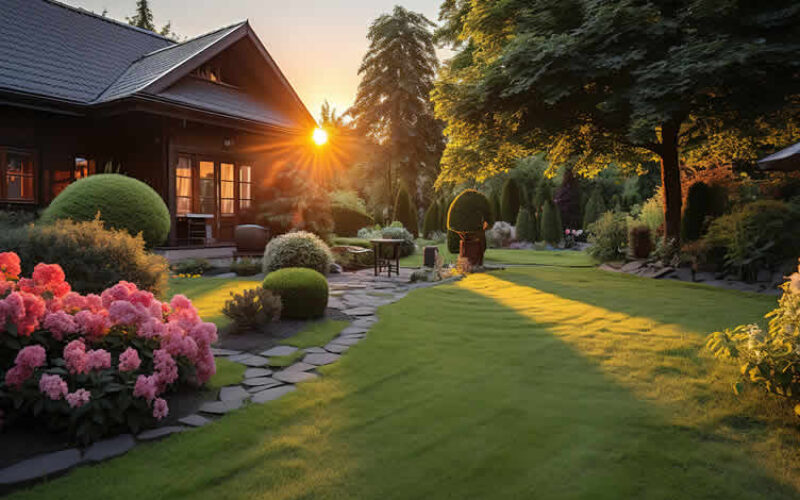
Landscape aesthetics isn’t just about beauty—it’s a language that your garden uses to communicate with your spirit. A garden that’s conscious of its design, that understands the power of a well-placed arbor or a blossoming bed of perennials, can speak volumes about harmony, vitality, and the luxury of natural order.
Summary of Site Content
1st Landscape Tip: [view tip]
… before starting on any landscaping concepts or plans, your first step should be a thorough analysis of your existing space. This essential assessment will help determine the best landscaping strategies to undertake.
2nd Landscape Tip: [view tip]
… after the site analysis, the design phase starts. It includes examining landscaping principles, zoning laws, structural components, and sustainable practices.
3rd Landscape Tip: [view tip]
… the third section explores how to plant your landscape, mainly using garden beds and choosing flowers. It includes adding small trees and shrubs, plus setting up an irrigation system for healthy growth.
4th Landscape Tip: [view tip]
…the goal of planting is to create a landscape oasis, enhanced by pathways that guide you through the design. The fourth section reviews different pathway designs and styles.
5th Landscape Tip: [view tip]
… the fifth section showcases the beauty of your garden at night, achieved by strategically placing lights. This highlights areas like structures, trees, pathways, enhancing the garden’s overall beauty and atmosphere.
6th Landscape Tip: [view tip]
… the sixth and final step is to execute your landscaping plan, either DIY or with a landscape contractor. This section also includes key maintenance tips to keep your landscape beautiful and long-lasting.
Here, we’re diving into strategies that turn a mere collection of greenery into an awe-inspiring masterpiece nature could applaud.
This guide is not only a blueprint for turning your landscape into an aesthetic wonder, but it’s also a testament to the countless benefits such an enhancement can provide.

-
Quick scroll to first topic about elevating your landscape …

first “elevating your landscape” idea

copyright image by 123rf.com
Section Tip 1: Understanding Your Space
Notes:
-
The first step in landscape design is understanding the unique characteristics of your space. Just as an artist sees a sheet of canvas, you must perceive your landscape for what it could be, not just what it is.
Elements such as soil type, drainage patterns, and existing flora can significantly influence the kind of additions and tweaks you can make to your garden. But understanding your space isn’t just about the technicalities – it’s also about seeing the potential in every nook and cranny.
Walk around your yard and observe where natural light falls, how the wind travels, and where water tends to pool after rain. Take note of any standout features you’d like to highlight or perhaps some not-so-attractive elements that could use a disguise.
By taking stock of your space, you can begin to imagine the possibilities and start sketching out your vision.
-
Quick scroll to “site analysis” side notes …
-
-
1st: Steps to Conduct a Thorough Site Analysis
To conduct a comprehensive site analysis of your yard landscape, follow these steps to ensure you have a well-rounded understanding of your space’s potential and limitations:
- Document the Physical Layout:
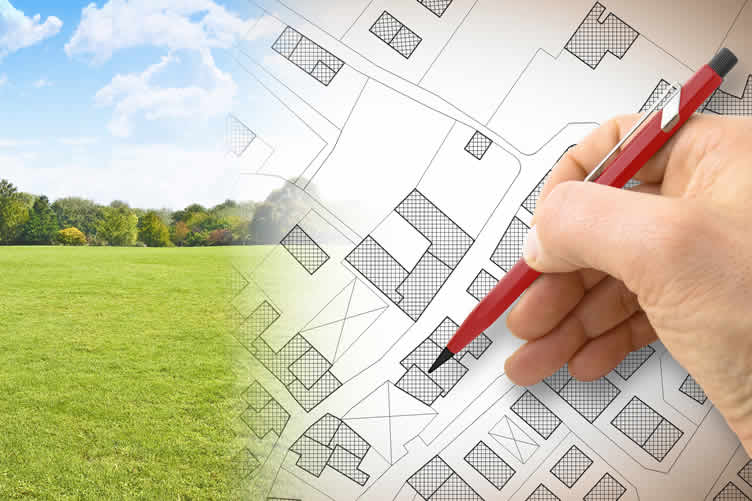
Begin by sketching a rough layout of your yard on paper, noting the location of existing structures, trees, flower beds, and hardscapes. Include measurements to understand the scale of your space. - Note Sunlight and Shade Patterns:
Spend a day observing how sunlight moves across your yard. Note areas that receive full sun, partial shade, and full shade at different times of the day. This information is crucial for selecting plants that will thrive in your landscape. - Assess Soil Conditions:
Soil can widely vary in its composition, pH level, drainage capability, and fertility. Collect soil samples from different areas of your yard and have them tested. Understanding your soil type will guide you in selecting the right plants and amending the soil to meet your landscaping needs. - Identify Existing Vegetation and Wildlife:
Take stock of the plants and trees already growing in your yard. Identify which ones are healthy, native, and beneficial to your local ecosystem. Also, observe the wildlife that frequents your yard, as your landscape can be designed to attract more beneficial species or deter problematic ones. - Evaluate Water Drainage and Irrigation Needs:
Observe how water drains after a rainstorm. Note any areas where water pools or drains too quickly. This insight will aid in planning your irrigation needs and addressing any drainage issues to prevent water damage to your landscape and property.
By meticulously analyzing each of these aspects, you’ll lay a solid foundation for your landscaping project, ensuring that your designs are not only aesthetically pleasing but also environmentally sustainable and perfectly tailored to your yard’s unique conditions.
copyright image by 123rf.com
[ youtube: yard landscape site analysis ]
[ youtube: landscape design tips for beginners ]

- Document the Physical Layout:
-
1st: Existing Tree Analysis
Following the comprehensive site analysis, conducting an existing tree analysis is a critical next step. This involves examining the health, species, size, and location of each tree within your premises.
- Healthy, mature trees can add value and beauty to your property, offering shade and habitat for wildlife, hence should be preserved.
- Identify any invasive species or trees in poor health, as these may require removal to maintain the ecological balance and safety of your yard.
- Trees that obstruct planned structures or significantly impede sunlight to your garden areas might need to be trimmed or removed.
- It’s also important to assess the root systems of large trees for potential interference with foundations or underground utilities.
- Utilize the data from your earlier assessments, such as soil condition and water drainage patterns, to decide which trees are beneficial to keep and integrate into your landscape design.
Properly managing your tree resources will enhance the aesthetic, environmental, and economic value of your landscaping project.
-
Professional Tree Trimming Services
One of the most important aspects of landscape aesthetics is the health and grooming of your trees. Irregular growth, dead branches, and dense canopies can detract from the overall beauty of your space, while proper tree care can enhance it significantly.
Enlisting the help of a professional tree trimming service guarantees that your trees will be pruned in a way that encourages healthy growth and an open, balanced canopy.
Trimming services can also help shape the trees to complement the design of your landscape, whether you’re aiming for a formal look or a more natural, woodsy vibe.

copyright image by 123rf.com
-
-
ideas to view and compare from the information discussed above
Scroll up to directory … or scroll to next section about elevating your landscape …

second “photo remodeling” idea
copyright image by 123rf.com
Section Tip 2: Designing For Impact
Notes:
-
Now that you have a feel for your space, it’s time to design an aesthetically pleasing and functional landscape. Designing for impact doesn’t necessarily mean filling every corner with plants and features. Instead, it’s about creating a cohesive look that draws the eye and provides a sense of unity.
Consider incorporating plant beds with varying heights to create depth, using a mix of textures and colors for visual interest, and strategically placing focal points such as ornamental trees or water features.
Balance is critical when it comes to design – you want your landscape to feel full and alive but not so cluttered that it becomes overwhelming.
-
Quick scroll to “landscape designing” side notes …
-
-
1st: Principles of Landscape Design
In the realm of landscaping, understanding the foundational principles of design is vital for creating spaces that are not only beautiful but also functional and sustainable.
These principles guide the arrangement and organization of outdoor spaces, ensuring that the landscape is aesthetically pleasing while meeting the practical needs of its users.
-
Unity and Harmony
Unity and harmony ensure that all components of the landscape work together to create a cohesive look. This can be achieved through the repetition of colors, textures, or shapes, and by ensuring that the design elements complement the architectural style of nearby structures.
Consistency in theme and style binds the various parts of the landscape into a single, unified whole.
[ view ideas: unity and harmony in landscaping design ]
-
Balance
Balance involves the distribution of visual weight across the landscape. It can be symmetrical, where both sides of the landscape mirror each other, or asymmetrical, which uses different elements to achieve a balance of visual interest. Proper balance gives the landscape a sense of equilibrium and stability.
[ view ideas: balance in landscaping design ]
-
Contrast and Variety
Introducing contrast and variety keeps the landscape visually interesting. This can be done through mixing different plant types, colors, sizes, and textures. However, it is crucial to strike a balance to avoid creating a chaotic or disjointed appearance.
[ view ideas: contrast in landscaping design ]
-
Scale and Proportion
Scale and proportion relate to the size relationship between different parts of the landscape. It’s important to select plants and structures that are in proportion to each other and the overall space to maintain a harmonious look.
This also involves considering the mature size of plants to ensure they fit well into the design over time.
[ view ideas: scale in landscaping design ]
-
Focal Points
Every landscape design should include focal points that draw the viewer’s eye and add interest. This could be a distinctive plant, a sculpture, a water feature, or an architecturally interesting structure.
Focal points serve to anchor the landscape design and guide viewers through the space.
[ view ideas: focal points in landscaping design ]
-
Line
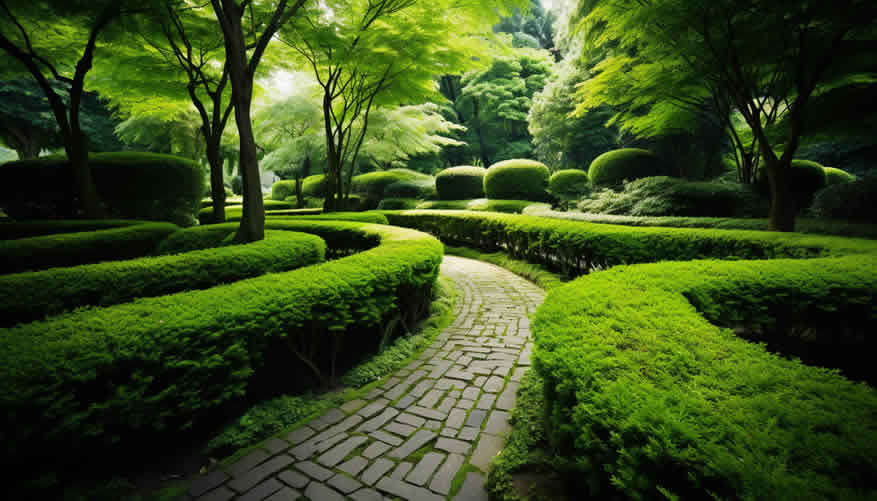
Lines direct visual movement and can dramatically impact the garden’s perceived structure. Whether curved, straight, vertical, or horizontal, lines influence how people experience space.
They can lead viewers on a path through the garden, highlight focal points, or create boundaries between different garden areas.
Understanding and applying these principles effectively creates a landscape that is not only pleasing to the eye but also functional and coherent.
Each element, from plant selection to structural features, plays a role in crafting an outdoor space that reflects the interests and lifestyle of its users while enhancing the natural environment.
[ view ideas: line in landscaping design ]
copyright image by 123rf.com
[ view images: principles of landscape design ]
[ pinterest: rules of landscape design ]
-
-
2nd: Zoning in Landscape Design
Creating zones in your landscape design is a strategic approach to organize outdoor spaces according to their function, usability, and aesthetics. Zoning helps in maximizing the use of space while catering to the diverse needs of its users.
It divides the landscape into distinct areas with specific purposes, such as entertainment, relaxation, or utility, making it more functional and enjoyable. Below are some key types of zones you might consider in your landscape design.
-
Entertainment Zone
The entertainment zone is designed for gatherings, social interactions, and family fun. This area often includes features like patios, decks, outdoor kitchens, or fire pits.
It’s typically located near the house for easy access to indoor amenities and is equipped with comfortable seating, lighting, and sometimes audio-visual equipment for hosting guests.
-
Relaxation Zone
A relaxation zone provides a tranquil retreat for quiet reflection, reading, or relaxation. This area might feature a garden, a water feature like a pond or fountain, and comfortable lounging areas.
The use of fragrant plants and the incorporation of soothing sounds (such as water or wind chimes) enhance the calm and peaceful atmosphere of this zone.
-
Utility Zone
The utility zone is the functional area of your landscape where practical elements are located. This can include storage sheds, compost bins, clotheslines, and vegetable gardens.
Ideally, the utility zone is situated out of the main view to maintain the aesthetic appeal of the landscape while still providing essential functionality.
-
Children’s Play Area
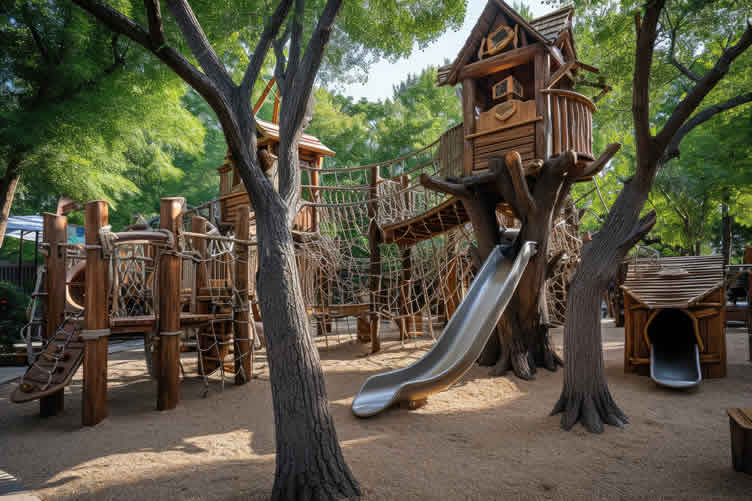
Designing a zone specifically for children’s play can keep outdoor areas organized and safe. This zone includes play equipment, sandboxes, or open grassy areas for sports and activities. It’s usually positioned where it can be easily supervised from the house or other main areas of the garden.
By thoughtfully incorporating these zones into your landscape design, you can create a more organized, functional, and enjoyable outdoor space that caters to the varied needs and activities of its users.
Each zone, while distinct in its function, should harmonize with the overall design to create a cohesive and inviting exterior environment.
copyright image by 123rf.com
-
-
3rd: Adding Structural Elements
Incorporating structural elements into your landscape design not only adds variety and interest but also functionality and coherence to your outdoor space. Structural features such as garden beds, boulders, water features, and more can transform a flat, featureless yard into a rich, layered, and engaging garden.
These elements serve various roles, from creating natural boundaries and adding texture, to serving as dramatic focal points or tranquil retreats within the landscape. When thoughtfully integrated, these structures enhance the garden’s aesthetic appeal and usability.
-
Garden Beds
Garden beds are the heart of any landscape design, providing structure and opportunities to introduce layers of color, texture, and life. Raised garden beds, in particular, can offer not only an attractive visual element but also improved soil conditions and drainage for your plants.
They can be designed in a variety of shapes and sizes to fit the aesthetic and functional needs of your landscape, creating a defined space for plant life to thrive.
-
Boulders
Incorporating boulders into your landscape introduces a sense of permanence and an element of the natural world. Strategically placed, they can serve as natural sculptures, grounding focal points, or even seating.
Boulders work well to break up the monotony of green spaces with their different textures, colors, and sizes, adding a rugged, earthy element to your garden.
-
Water Features
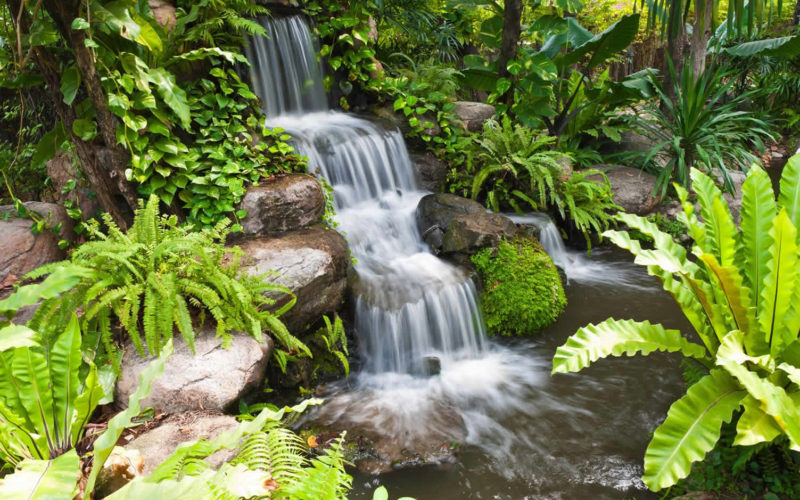
Water features such as ponds, fountains, and waterfalls add a dynamic and soothing element to landscapes. The sound of moving water delivers tranquility and attracts wildlife, creating a lively and serene environment.
Water features can be designed to fit any space, ranging from grand, cascading waterfalls to simple, bubbling fountains. They can stand alone as a central focal point or blend seamlessly with the surrounding flora and fauna.
-
Other Structural Elements
Other structural elements include pathways, pergolas, trellises, and ornamental statues. Pathways guide visitors through the landscape, inviting exploration and discovery. Pergolas and trellises add vertical interest and support climbing plants, creating shaded, intimate spaces.
Ornamental statues and sculptures introduce artistic flair and personalization, making your outdoor space truly unique.
Each of these structural elements can dramatically enhance the beauty, functionality, and character of a landscape. By carefully selecting and positioning these features, homeowners can create a cohesive, inviting outdoor environment that reflects their personal style and meets their practical needs.

copyright image by 123rf.com
[ youtube: using boulders to create landscape structure ]
[ youtube: how to build a garden stream water feature ]
-
-
4th: Incorporating Sustainable Practices
Sustainable landscaping is not only beneficial for the environment but can also create a more aesthetically pleasing and maintenance-friendly outdoor space. By choosing eco-friendly materials and practices, homeowners can reduce their carbon footprint, conserve water, and support local ecosystems.
-
Permeable and Pervious Surfaces
Sustainable hardscapes play a crucial role in environmental conservation, equally as vital as the vegetation that encircles them. It’s essential to consider materials and designs that promote the percolation of rainwater back into the earth, thus minimizing harmful runoff and preventing soil erosion.
-
Choosing Native Plants for Longevity and Biodiversity
Utilizing native plants in your landscaping is not only a move towards sustainability but also promotes biodiversity and supports local wildlife. Native plants are adapted to the local climate and soil conditions, requiring less water, fewer fertilizers, and minimal care compared to exotic species.
-
Organic Mulching and Composting
Organic mulching and composting are key practices in creating a sustainable garden. Mulching with organic materials such as shredded bark, straw, or leaf litter helps to retain soil moisture, suppress weeds, and improve soil quality as it decomposes. This can lessen the need for chemical fertilizers and frequent watering, further contributing to a sustainable landscape.
Additionally, composting kitchen and garden waste not only reduces the amount of waste sent to landfills but also produces a rich, natural fertilizer that can significantly boost your soil’s health.
-
Install Rainwater Harvesting Systems
Consider installing a rainwater harvesting system to collect and store rainwater for landscape irrigation. This can significantly reduce your reliance on municipal water supplies and ensure that your garden remains lush even during dry spells.

copyright image by 123rf.com
[ pinterest: eco-friendly landscape ideas ]
[ youtube: five steps for an eco-friendly landscape ]
-
-
5th: Using Landscape Design Software
The use of garden landscape architectural design software or an online platform can significantly enhance the planning and execution of your landscape project.
These digital tools allow homeowners and designers to apply key landscape principles effectively, enabling the visualization of ideas before any physical work begins.
-
Visualization Capabilities
One of the primary benefits of using landscape design software is its powerful visualization capabilities. Users can create detailed 3D models of their garden, experimenting with different layouts, structural elements, and plant placements.
This technology allows for the exploration of various designs, enabling homeowners to see how their choices blend with the existing space and complement their home’s architecture.
-
Efficient Planning
Landscape design software facilitates efficient planning by providing tools to map out every aspect of a garden, from the location of boulders and water features to the selection of plants and trees.
Users can access extensive plant libraries, complete with information on growth habits, care requirements, and seasonal changes, ensuring that selections not only enhance the landscape’s aesthetics but also thrive in their environment.
-
Cost and Resource Management
Another advantage of using design software is the ability to manage costs and resources more effectively. The software can help estimate the quantity of materials needed, such as soil, mulch, and stone, and calculate the cost of plants and structural elements.
This feature aids in budgeting and prevents over-purchasing, reducing waste and ensuring a cost-effective project.
-
Collaboration and Sharing
Modern landscape design software often includes features for easy sharing and collaboration. Homeowners can share their designs with family members, friends, or professional landscapers, gathering feedback and making informed decisions.
This collaborative approach ensures that the final design is well-thought-out, meeting the needs and preferences of all stakeholders involved.
-
Long-term Planning and Maintenance
Finally, landscape design software supports long-term planning and maintenance strategies. By documenting plant growth and seasonal changes, homeowners can plan future landscape enhancements or maintenance tasks.
This ongoing engagement with the landscape design ensures that the garden continues to grow and evolve in alignment with the homeowner’s vision, maintaining its beauty and functionality over time.
By integrating these key landscape principles with the advanced features of garden landscape design software, homeowners can achieve a harmonious, well-designed outdoor space that enhances their quality of life and the value of their property.

copyright image by 123rf.com
[ youtube: best landscaping apps ]
[ amazon: landscape design software ]
-
-
-
ideas to view and compare from the information discussed above
landscape drawing templatesbackyard waterfall kitrain harvesting
Scroll up to directory … or scroll to next section about elevating your landscape …
 … grab this directory of ideas



May We Suggest Other Photo Remodeling Ideas About
“Making Inside Home Changes …” (new win)


third “photo remodeling” idea

copyright image by 123rf.com
Section Tip 3: Planting For The Seasons
Notes:
-
A beautiful landscape is one that changes with the seasons, offering something new to enjoy throughout the year. When selecting plants, think about their blooming times and choose a mix that will keep your garden lively from spring through winter.
Native plants are a great choice for their ability to thrive in your region’s conditions and support local wildlife. Additionally, perennials and flowering shrubs can offer seasonal interest without the need for replanting every year.
Regular maintenance, such as fertilizing and pruning, will help your garden reach its full seasonal potential.
-
Quick scroll to “planting” side notes …
-
-
1st: Planning and Adding Garden Beds
When incorporating garden beds into your landscape design, it’s essential to start with a solid plan. Begin by assessing your outdoor space to determine the best locations for garden beds, taking into account factors like sunlight exposure, soil type, and water drainage. Once you’ve identified suitable spots, it’s time to move on to the design phase.
-
Choosing the Shape and Size
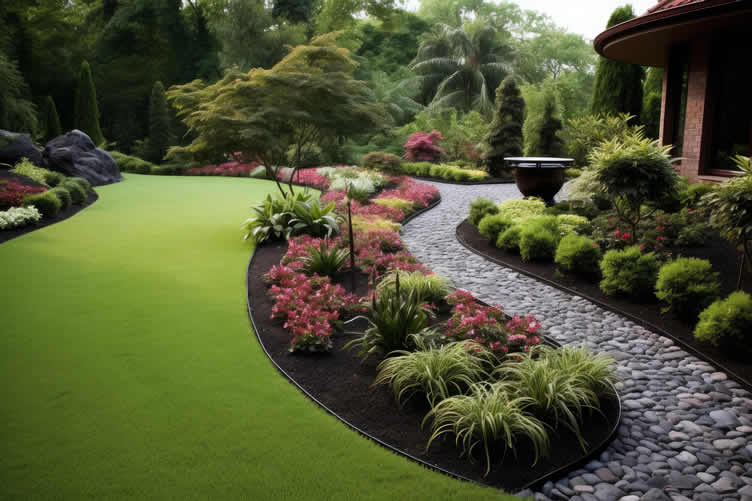
The shape and size of your garden beds will significantly influence the overall aesthetics and functionality of your outdoor space. Consider the scale of your landscape and opt for shapes that complement the existing layout.
Rectangular or square beds fit well into formal designs, while curved or irregular shapes lend a more natural feel.
Ensure the beds are not too wide, so you can easily reach the center from all sides without stepping into the bed, preserving soil structure and plant health.
[ view ideas: yard flower bed shapes ]
-
Adding a Distinct Border to Your Garden Bed
Creating a distinct border around your garden beds can enhance their visual appeal and define the space clearly within the landscape. Borders can be made from a variety of materials, including stone, brick, metal, wood, or distinct edging, each adding its own texture and color to the garden’s palette.
Choosing the right material for your border depends on the overall design theme of your garden; for instance, stone borders complement a rustic landscape, while sleek metal edges suit a more modern setting.
Besides aesthetics, borders also serve practical purposes, such as preventing grass from invading the garden bed and facilitating easier maintenance.
[ view ideas: flower bed borders ]
-
Selecting the Right Plants
When selecting plants for your garden beds, consider their height, color, bloom time, and sunlight requirements. Aim for a mix of perennials, annuals, shrubs, and possibly small trees to create a diverse, year-round appeal.
Group plants with similar water and light needs together to simplify maintenance. Incorporating native plants can enhance the ecological value of your garden, supporting local wildlife.
-
Soil Preparation
The key to a thriving garden bed lies in soil preparation. Start by removing any weeds or grass and loosening the soil to a depth of about 12 inches.
Mix in ample amounts of compost or well-rotted manure to improve soil fertility and structure. If drainage is an issue, consider raising the beds slightly above ground level or integrating a drainage layer of coarse gravel at the bottom.
-
Mulching and Watering
After planting, apply a layer of organic mulch around your plants. Mulch helps retain soil moisture, suppresses weeds, and gradually improves soil quality as it decomposes.
When watering, focus on the root zone rather than the leaves to maximize water efficiency and reduce the risk of plant diseases.
Efficient watering practices, like drip irrigation or soaker hoses, can further enhance water conservation in your garden beds.
By meticulously planning and designing your garden beds, you can create a captivating landscape that complements your outdoor living space while offering a sustainable habitat for plants and wildlife.
copyright image by 123rf.com
-
-
2nd: Choosing Floral Types
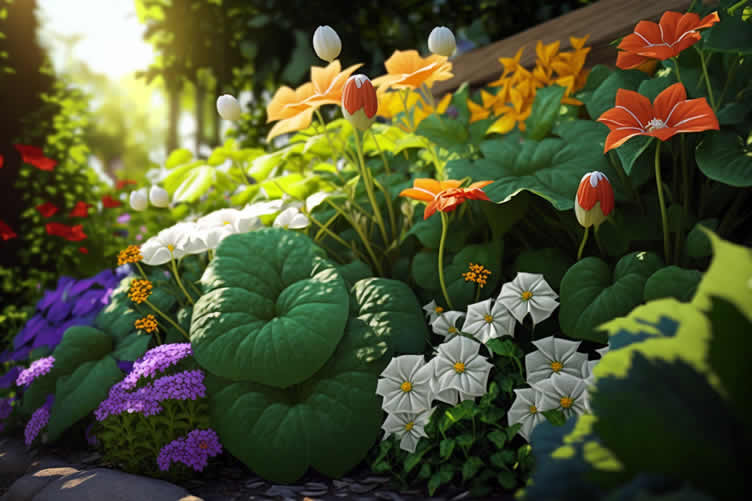
Selecting the right types of flowers is crucial in achieving the desired aesthetic and functional aspects of your garden.
Different floral varieties not only offer a palette of colors and textures but also play a role in attracting beneficial insects, birds, and enhancing the overall biodiversity of your landscape.
Here’s a closer look at several floral types to consider including in your garden design.
-
Perennials
Perennials are the backbone of many gardens, known for their ability to bloom year after year. They require an initial investment in time and resources but provide long-term rewards with their recurring blooms.
Popular perennials include lavender, daylilies, and coneflowers, which offer a variety of colors and textures, as well as durability against varying weather conditions.
[ view ideas: perennial flowers ]
-
Annuals
Annuals complete their life cycle in one growing season, blooming profusely throughout. They are ideal for gardeners looking for vibrant colors and instant impact.
Petunias, marigolds, and zinnias are excellent choices, providing continuous color and filling any gaps in the perennial border. Although they need to be replanted each year, the dynamic display they offer is well worth the effort.
[ view ideas: annual ]
-
Wildflowers
Incorporating wildflowers into your garden design can create a naturalistic feel and require minimal maintenance once established. They are particularly beneficial for attracting pollinators and supporting local wildlife.
Wildflower mixes can be tailored to specific regions and conditions, making them a versatile option for a wide range of garden designs.
[ view ideas: wild flowers ]
-
Native Flowers
Native flowers are adapted to the local climate and soil conditions, making them a sustainable option for gardeners looking to reduce water use and maintenance. By including native species in your garden, you also provide vital support to local ecosystems and pollinators.
Examples of native flowers include black-eyed Susan, purple coneflower, and milkweed, each offering unique contributions to the garden’s aesthetic and ecological value.
[ view ideas: native flowers ]
By thoughtfully selecting from these types of flowers, gardeners can craft a landscape that is not only visually stunning but also ecologically responsible and vibrant throughout the seasons.
copyright image by 123rf.com
Sunny Perennial Pics
Part-Sun Perennials
viewing amazon -
-
3rd: Adding Small Shrubs and Trees for Color and Variety
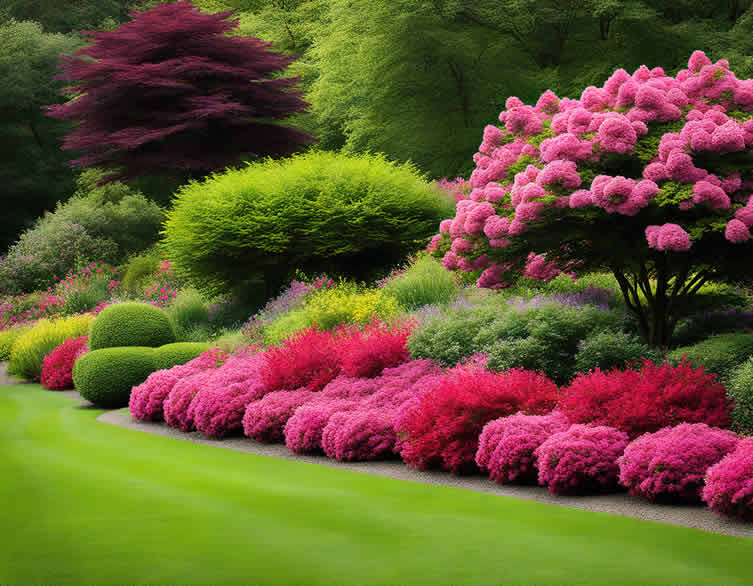
Introducing small shrubs and trees into your garden beds can significantly enhance the structural variety and provide a year-round color palette.
These pint-sized plants are perfect for creating focal points, adding height without overwhelming the space, and offering shelter and food for wildlife.
When selecting shrubs and trees, consider their mature size, flowering capabilities, and seasonality to foster a harmonious and dynamic garden.
-
Evergreen Shrubs
Evergreen shrubs are the backbone of any garden, providing structure and color even in the harshest of winters.
Boxwoods, dwarf spruces, and rhododendrons are excellent choices, each bringing a distinct texture and shape to the garden. Their constant greenery serves as a perfect foil for seasonal blooms and adds life to the winter landscape.
[ view ideas: evergreen shrubs ]
-
Flowering Shrubs
Flowering shrubs inject bursts of color and aromatic scents into the garden at different times of the year. Lilacs, hydrangeas, and azaleas not only offer spectacular blooms but also attract pollinators.
Planting a variety ensures a succession of flowers from spring to fall, making your garden a vibrant haven.
[ view ideas: flowering shrubs ]
-
Ornamental Trees
Small ornamental trees can be a centerpiece in garden design, providing shade and spectacular visual interest. Japanese maples, crabapples, and dogwoods are known for their attractive foliage, stunning flowers, and sometimes edible fruit.
These trees can create a dramatic statement, especially when planted as a specimen or in small groups.
[ view ideas: ornamental trees ]
-
Fruit Trees
Incorporating dwarf fruit trees into the garden mixes beauty with practicality, offering spring blossoms, summer shade, and delicious fruits. Apple, cherry, and plum trees, when selected for their size and suitability to the local climate, can thrive in a garden setting.
They not only enhance the garden’s aesthetics but also encourage a closer connection with the food we eat.
[ view ideas: dwarf fruit trees ]
-
Ornamental Grasses
Ornamental grasses add an element of grace and movement to the garden, creating a stunning visual effect that changes with the seasons.
Species like Fountain Grass, Maidenhair Grass, and Japanese Blood Grass offer varying heights, textures, and colors, from vibrant greens to deep reds. These grasses are particularly effective when planted en masse or as a naturalistic border, swaying gently with the breeze and providing a beautiful backdrop for the changing seasons.
They are low maintenance, drought-resistant, and can provide visual interest year-round.
[ view ideas: ornamental grasses ]
By carefully integrating a selection of small shrubs and trees into the garden, you cultivate an environment that thrives in diversity, beauty, and ecological balance.
This thoughtful approach ensures your garden remains a place of continual interest and enjoyment through the seasons.
copyright image by 123rf.com
-
-
4th: Adding Irrigation Systems for Garden Hydration
Ensuring your garden beds remain adequately hydrated is key to the health and growth of your plantings. Incorporating an irrigation system not only aids in water conservation but also delivers water directly to where it’s most needed, reducing waste and promoting healthy plant development.
From advanced drip irrigation systems to simple soaker hoses, choosing the right type of irrigation system can make gardening more efficient and enjoyable.
-
Drip Irrigation Systems
Drip irrigation is a highly efficient and water-wise choice for gardeners. By delivering water directly to the base of plants through a network of tubing and emitters, it minimizes evaporation and runoff, ensuring that water goes exactly where it’s needed.
This system is especially beneficial for densely planted beds and can be customized to suit the specific needs of different plants. Drip irrigation systems are also adaptable, allowing for expansion as your garden grows.
-
Soaker Hoses
Soaker hoses offer a simpler, more budget-friendly option for garden irrigation. Made from permeable materials, these hoses allow water to seep slowly into the soil, providing a uniform and gentle hydration to plant roots.
They can be easily laid out along garden beds or buried under mulch to reduce evaporation. While not as precise as drip systems, soaker hoses are an effective solution for watering larger areas uniformly.
-
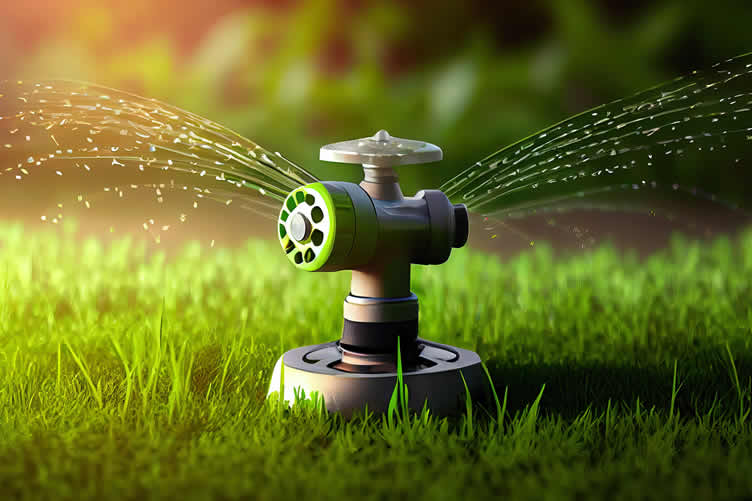
Sprinkler Systems
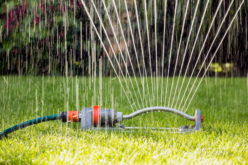
Sprinkler systems can be a good choice for watering lawns or large garden areas. They can be set up to cover wide expanses and can be timed to water at the most effective times of day, usually early morning or late evening to reduce water loss through evaporation.
Sprinkler systems range from portable options to fully installed, automated systems, offering flexibility in watering schedules and coverage areas.
By choosing and installing an appropriate irrigation system for your garden, you can significantly improve the vitality of your plants while also conserving water.
Each system has its advantages and can be selected based on the specific needs of your garden, budget, and commitment to sustainability.
copyright image by 123rf.com
-
-
-
ideas to view and compare from the information discussed above
Scroll up to directory … or scroll to next section about elevating your landscape …
SHARE IT ..! You might have someone in your social network who could find this informative about elevating your landscape valuable. Feel free to share it on Facebook, Twitter, LinkedIn, or Pinterest!


making yard n’ garden and home improvement decisions

fourth “photo remodeling” idea
copyright image by 123rf.com
Section Tip 4: Pathways and Privacy
Notes:
-
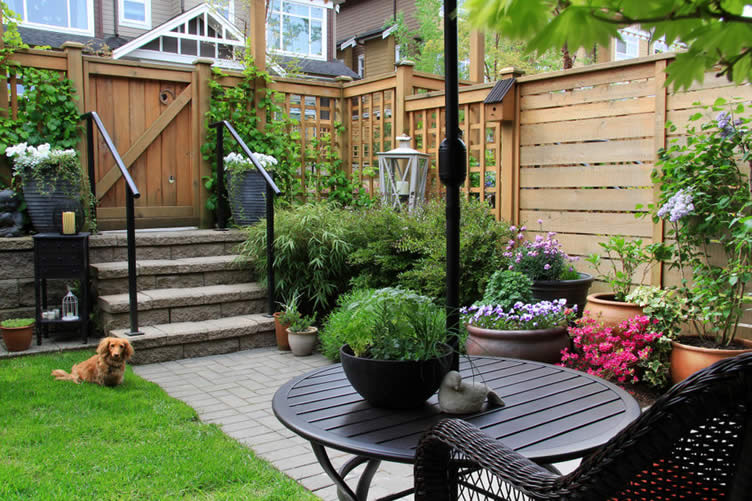
Creating pathways and introducing privacy elements are often the finishing touches that truly elevate a landscape. Whether you opt for a meandering gravel trail or a formal brick walkway, pathways add structure and invite exploration. And, of course, who wouldn’t want a secret garden just beyond the bend?
For privacy, hedges, fences, or trellises covered in vines can create a secluded atmosphere that’s perfect for outdoor relaxation. These define your outdoor spaces and provide structure for plants to climb and add another layer of interest.
-
Quick scroll to “pathway and privacy” side notes …
-
-
1st: Adding Pathways to Your Landscape Design
Incorporating pathways into your landscape design not only enhances the aesthetic appeal but also improves the functionality of your outdoor space. Pathways guide visitors through the various aspects of your garden, protecting plant beds from being trampled while creating a cohesive flow that connects different areas seamlessly.
When planning pathways, consider the overall style of your garden and the level of foot traffic to select materials that are both durable and complementary to your landscape.
-
Gravel Pathways
Gravel pathways are a versatile and economical option for creating natural-looking walkways through your garden. The variety of gravel sizes and colors available allows for customization to match any landscape design.
Gravel is permeable, allowing for effective water drainage, but it may require periodic raking to maintain its path shape and boundaries.
[ view ideas: gravel pathways ]
-
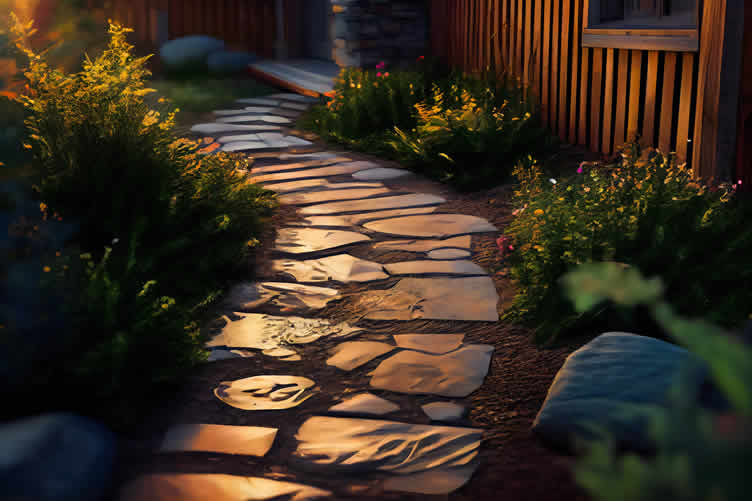
Flagstone Pathways
Flagstone pathways offer a more formal appearance and are ideal for gardens with a rustic or traditional design. Each flagstone piece has a unique shape and texture, providing a stable and durable surface for walking.
Flagstone can be laid with gaps to allow for grass or moss to grow in between, adding a charming, organic touch to the pathway.
[ view ideas: flagstone pathways ]
-
Paver Pathways
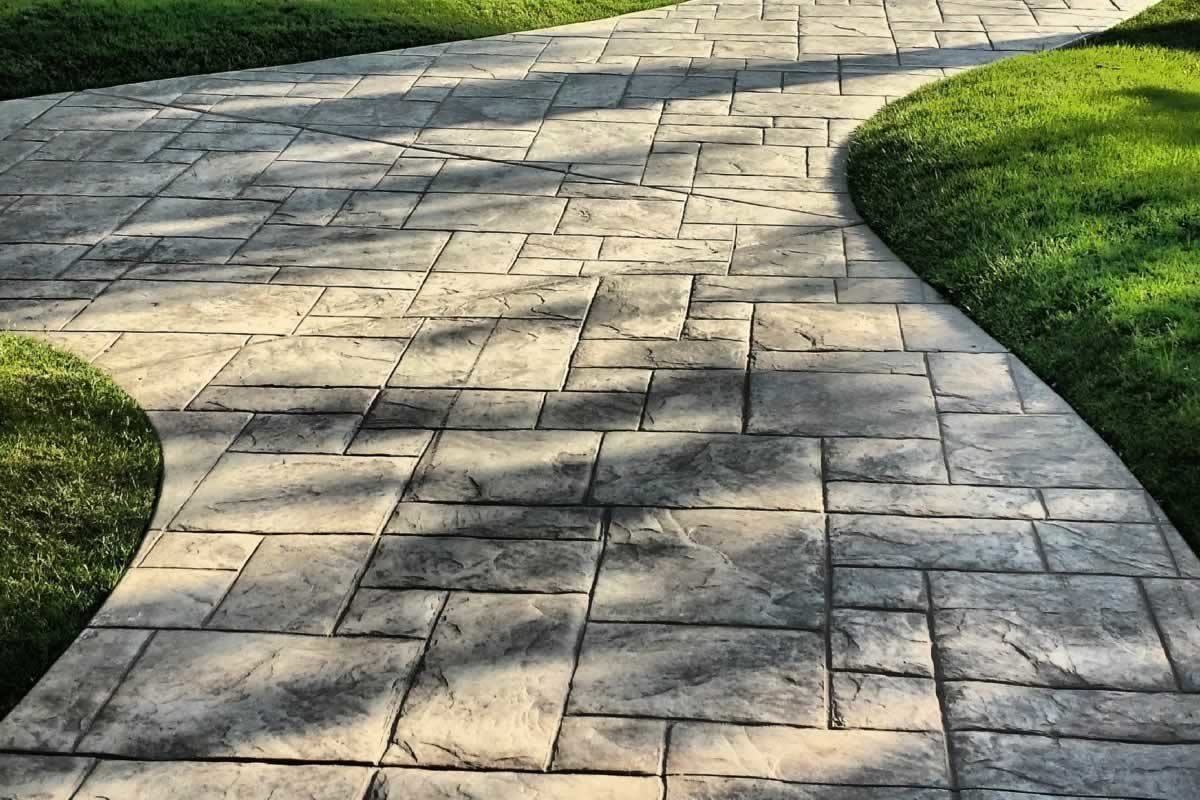
Paver pathways are constructed using man-made paving stones that come in a variety of shapes, colors, and textures. Pavers are incredibly durable and can be laid in distinctive patterns to create visually striking walkways.
They require minimal maintenance and are well-suited for areas of heavy foot traffic, making them an excellent choice for connecting different entertainment areas in your landscape.
[ view ideas: paver pathway ideas ]
-
Wood Chip Pathways
Wood chip pathways present an eco-friendly and cost-effective solution for casual garden walkways. Wood chips provide a soft walking surface and lend a natural, rustic appearance to the landscape.
Although they may require more frequent replenishment than other materials, wood chip pathways are quick to install and can significantly enhance the visual appeal of informal garden settings.
[ view ideas: wood chip pathways ]
copyright image by 123rf.com
-
-
2nd: Designing Your Garden Pathway
Designing a garden pathway requires careful consideration of both form and function. It’s important to choose a design that complements the overall aesthetic of your garden while also meeting practical needs.
The shape of the pathway should guide visitors through the garden, leading them from one point of interest to another. When planning your pathway, consider the types of plants, garden features, and the overall landscape theme that you want to highlight.
-
Curved Pathways
Curved pathways create a more natural, meandering flow through the garden. They are perfect for encouraging leisurely walks and can make small spaces appear larger. Curved designs often follow the garden’s contours, winding around beds and features, creating a sense of mystery and exploration.
[ view ideas: curved pathway ]
-
Straight Pathways
Straight pathways offer a direct, efficient route through the garden and are ideal for formal landscapes. Their linear design can be used to draw the eye to a focal point, such as a sculpture, water feature, or an impressive vista at the garden’s end.
Straight pathways can be bordered with rows of plants or edged with architectural elements to enhance their structured appearance.
[ view ideas: straight pathway ]
-
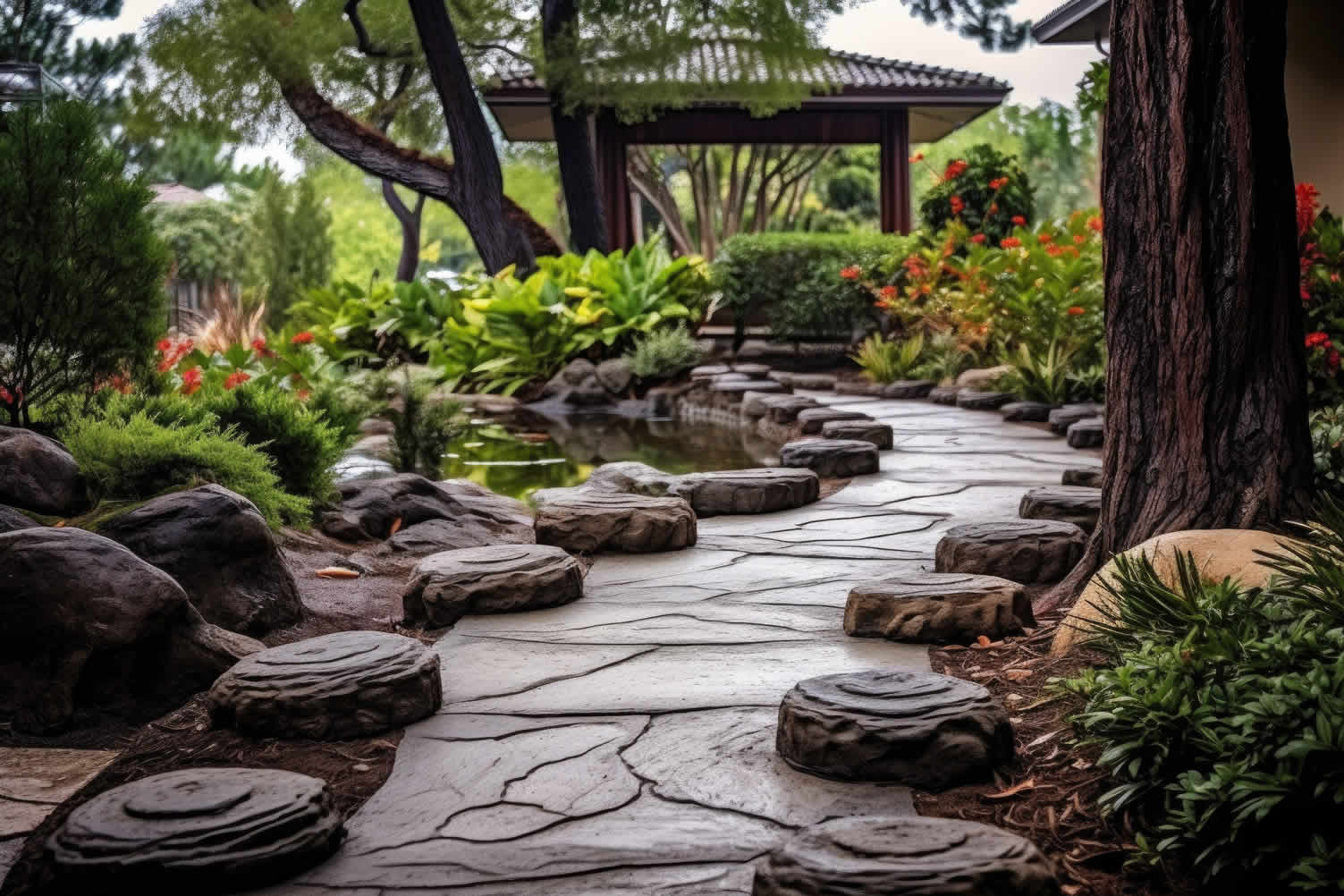
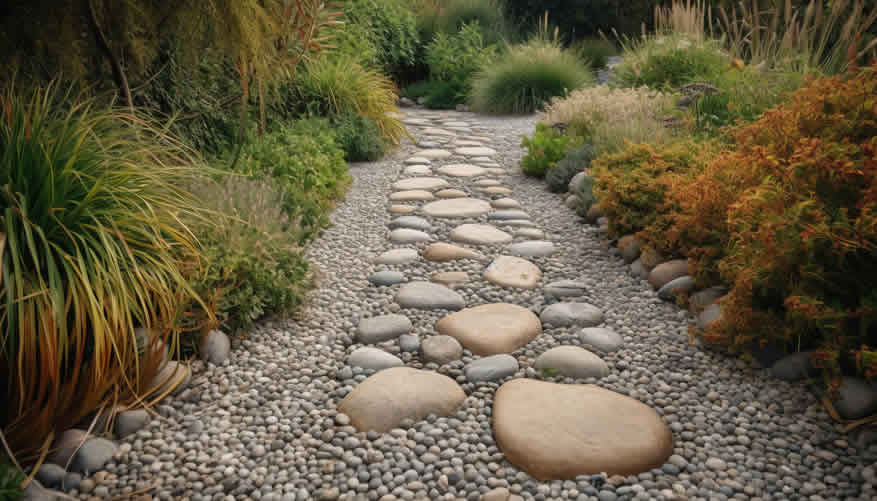
Stepping Stone Paths
Stepping stone paths consist of individual stones placed within the lawn or groundcover, creating a simple yet charming path. This type is perfect for connecting different areas in a casual, less formal garden.
Stepping stones can vary in size and shape, allowing for a customized look, whether whimsical, with irregularly shaped stones, or more orderly, with uniform squares or circles.
[ view ideas: stepping stone pathway ]
copyright image by 123rf.com
[ pinterest: pathway design ideas ]
[ youtube: building a garden walkway ]
-
-
3rd: Adding Privacy to Your Landscape Design
Incorporating privacy elements into your landscape design is crucial for creating a secluded and tranquil outdoor space. Privacy features not only shield you from the eyes of neighbors and passersby but also enhance the coziness and intimacy of your garden.
Thoughtful placement and selection of privacy structures can complement your garden’s aesthetics while providing a comfortable retreat.
-
Fencing
Fencing is a straightforward approach to add immediate privacy to your garden. Materials and designs range from wooden slats, bamboo, and wrought iron to modern composite materials, each offering different levels of privacy and style.
Fences serve as a solid barrier, and with the right design, can become an attractive feature of your garden, reflecting its theme and enhancing its character.
[ view ideas: privacy fences ]
-
Hedges
Hedges provide a green, living barrier that not only ensures privacy but also contributes to the garden’s biodiversity. They can be trimmed to various heights and shapes, creating a natural and beautiful border that changes with the seasons.
Hedges made of evergreen plants like boxwood or yew offer year-round privacy, while deciduous shrubs present a seasonal display of foliage and flowers.
[ view ideas: hedge fences ]
-
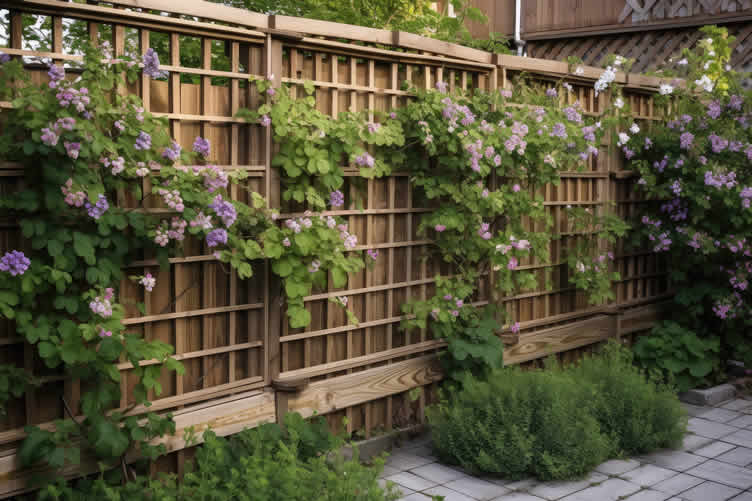
Vine Trellises
Vine trellises are an elegant solution for adding both privacy and vertical interest to your garden. These structures support climbing plants, such as ivy, clematis, or jasmine, which weave through the trellis, creating a lush, living screen.
Trellises can be placed against walls, used to delineate spaces within the garden, or set up as freestanding elements, offering flexible privacy options that grow and evolve over time.
[ view ideas: vine trellis fences ]
-
Other Privacy Elements
Various other privacy elements can be integrated into the landscape design, including walls, screens, and strategically placed garden features. For instance, a decorative garden wall can serve as a windbreak and privacy barrier, while artistic screens add a modern touch and allow for light and air to filter through.
Placing large planters, sculptures, or water features strategically can also obscure sight-lines, adding an extra layer of privacy while enhancing the garden’s overall appeal.
[ view ideas: planter fences ]
copyright image by 123rf.com
Types of Garden Fencing
google images for ideasWood wood fence cedar fence bamboo Metal wrought iron steel fence aluminum Vinyl vinyl picket vinyl panel vinyl lattice Composite fencing horizontal stone-like Stone stone wall stone foundation brick fence Chain Link fence chain link privacy lattice chain link -
-
4th: Utilizing Hardscapes
Incorporating hardscape features into your garden not only adds structure and functionality but also brings a layer of aesthetic beauty that complements the softer, natural elements.
Hardscapes refer to the non-living aspects of landscaping, such as paths, walls, and patios. These elements can define spaces, improve accessibility, and add architectural interest to your outdoor space.
-
Walkways and Paths
Walkways and paths serve as the backbone of garden design, directing movement and guiding visitors through the landscape. Materials such as brick, stone, or gravel can be used to create paths that match the garden’s aesthetic.
Curved pathways add a sense of mystery and exploration, while straight lines offer a more formal appearance.
[ view ideas: hardscape walkways ]
-
Patios and Decks
Patios and decks are essential for creating outdoor living spaces where you can relax or entertain guests. Patios can be constructed from concrete, pavers, or natural stone, offering a durable and versatile outdoor flooring option.
Decks, typically made from wood or composite materials, provide a raised platform that can enhance views and connect seamlessly with the home.
[ view ideas: hardscape patios ]
-
Retaining Walls and Raised Beds
Retaining walls and raised beds are practical solutions for managing slopes and adding dimension to flat gardens. Retaining walls can be built from concrete blocks, natural stone, or timber, creating terraces for planting or seating areas.
Raised beds, meanwhile, offer a tidy, controlled environment for growing plants, herbs, or vegetables, making them ideal for gardeners looking to improve drainage and soil quality.
[ view ideas: hardscape retaining walls ]
-
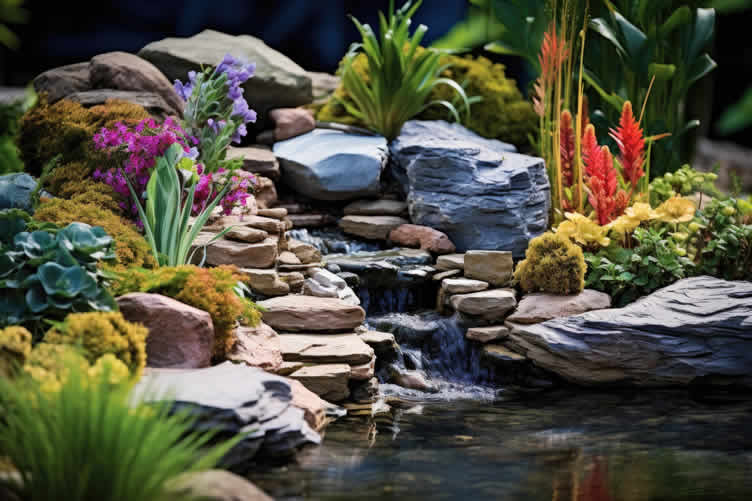
Water Features
Water features such as fountains, ponds, or waterfalls add a tranquil element to the garden, attracting wildlife and creating a focal point. The sound of flowing water can also mask unwanted noise, making your garden a peaceful retreat from the hustle and bustle of daily life.
[ view ideas: hardscape water feature ideas ]
copyright image by 123rf.com
[ pinterest: landscaping with hardscape ]
[ youtube: hardscape landscaping ]
-
-
-
ideas to view and compare from the information discussed above
Scroll up to directory … or scroll to next section about elevating your landscape …


Calendar For:
Home Maintenance
File Type: 
fifth “photo remodeling” idea
copyright image by 123rf.com
Section Tip 5: Lighting Your Nighttime Oasis
Notes:
-
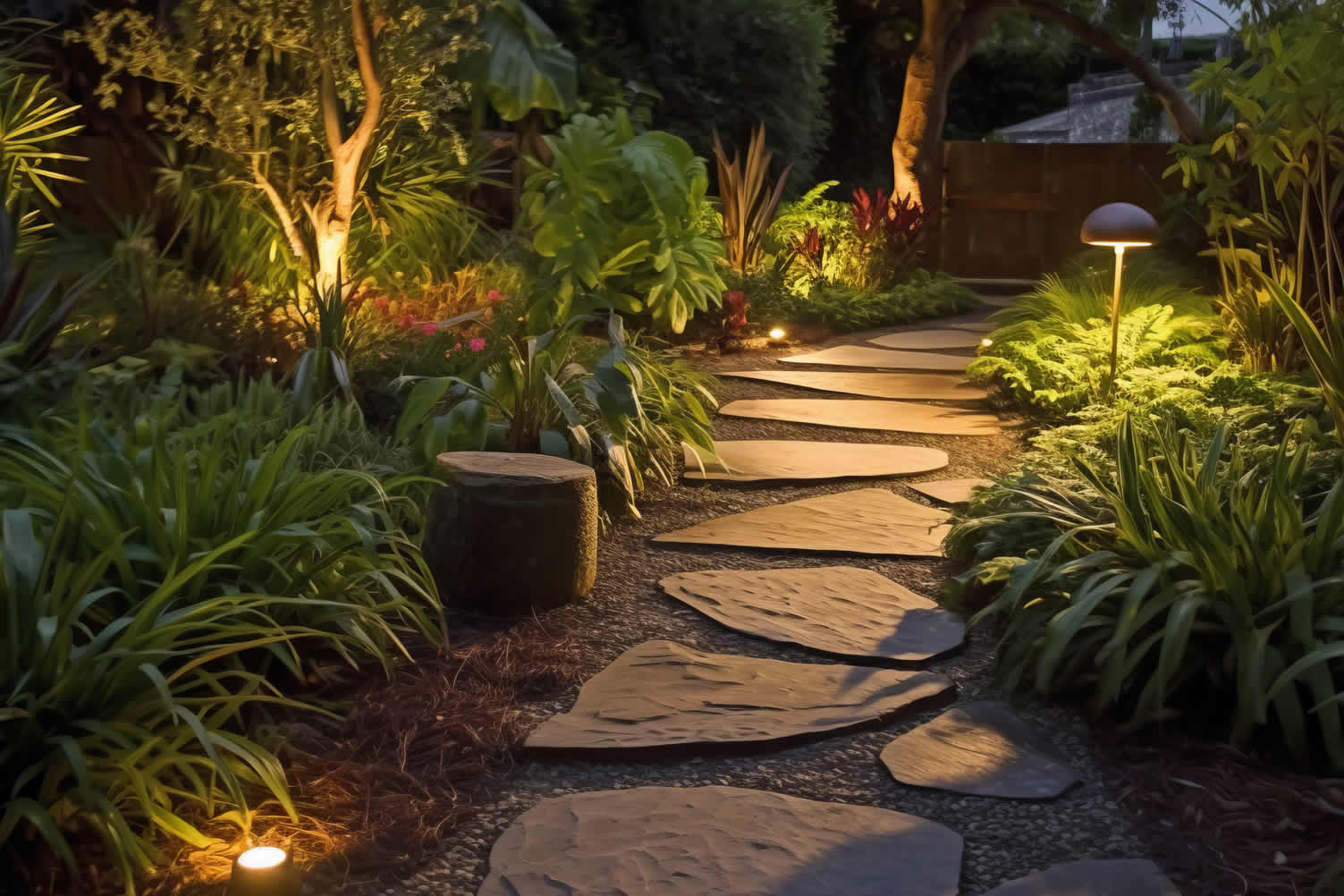
Good design doesn’t just look good in the daytime. The proper lighting can transform your landscape into a stunning evening retreat. Strategic lighting not only highlights your garden’s best features but also adds an element of safety and security for those strolling about after dark.
Uplights can draw attention to impressive trees or architectural elements, while pathway lights guide the way and create a warm, inviting atmosphere. Consider subtle, low-voltage options that are easy to install and won’t disturb the natural beauty of your landscape.
-
Quick scroll to “landscape lighting” side notes …
-
-
1st: Illuminating Beauty: Landscape Lighting Essentials
Lighting is a transformative element in landscape design, offering not only functionality but also enhancing the beauty of your outdoor spaces after dark.
Thoughtfully placed lighting can highlight architectural features, guide pathways, and create a warm, inviting ambiance.
Below, we’ll explore various landscape lighting elements and their best uses.
-
Path Lights
Path lights are the guiding stars of your garden, leading the way along paths and walkways with soft pools of light. Positioned along the edges of walkways, they ensure safe passage while highlighting the beauty of your landscape’s pathways.
[ view ideas: path lighting ]
-
Spotlights and Uplights
Spotlights and uplights are the dramatists of landscape lighting, casting focused beams of light to accentuate trees, sculptures, or architectural details. They can create striking contrasts and play up texture and form within the garden.
[ view ideas: spotlights lighting ]
-
Wall Lights
Wall lights serve both an aesthetic and functional purpose, washing over the surfaces of walls to create a gentle glow that enhances the texture and color of the materials. Ideal for outdoor living areas, they also provide necessary illumination for safety and comfort.
[ view ideas: wall lighting ]
-
Deck and Step Lights
Deck and step lights are the hidden gems of landscape lighting, embedded into the architecture to guide steps and outline decks. They ensure safety by preventing trips and falls, subtly marking edges and changes in elevation without overwhelming the space with light.
[ view ideas: deck and step lighting ]
-
Floodlights
Floodlights offer broad, high-intensity lighting, perfect for illuminating large areas for security or sports. While not subtle, they are essential for areas requiring clear, bright light either for safety or for backyard activities after sundown.
By incorporating these landscape lighting elements, you can create a garden that is not only functional and safe at night but also exudes a magical charm, inviting you and your visitors to enjoy the outdoors at all hours.
[ view ideas: flood light lighting ]
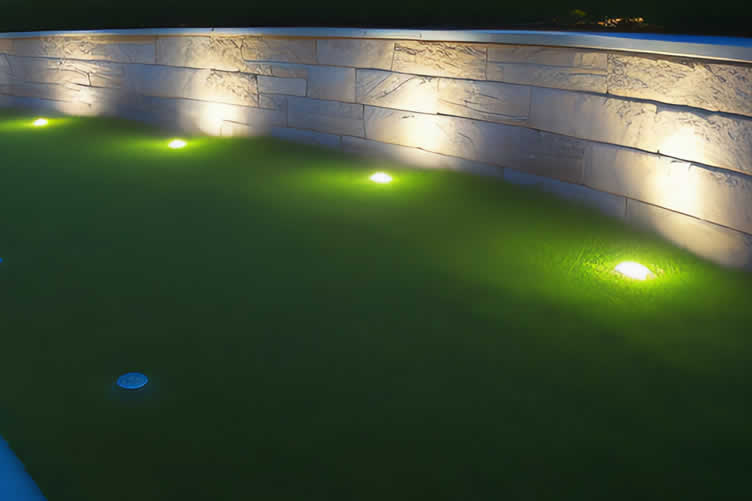
copyright image by 123rf.com
[ pinterest: solar vs. wired lighting ]
[ youtube: how to install landscape lighting ]
-
-
2nd: Solar vs. Wired Low-Voltage Landscape Lighting
When considering landscape lighting, one of the key decisions homeowners face is choosing between solar and wired low-voltage systems. Both options bring their unique set of advantages and challenges.
-
Solar Landscape Lighting
Solar lighting systems harness sunlight to power individual light fixtures, making them energy-efficient and environmentally friendly.
Pros:
- Eco-Friendly:
They rely solely on solar power, reducing carbon footprint. - Easy Installation:
Without the need for wires, they can be easily installed and repositioned as desired. - Cost-Effective:
Solar lights eliminate electricity costs and require minimal maintenance.
Cons:
- Dependent on Weather:
Their performance is heavily dependent on the amount of sunlight received during the day. - Limited Brightness and Duration:
Solar lights may not provide as much brightness as wired systems and often have limited duration, which can be a disadvantage in regions with less sunlight or during cloudy seasons.
- Eco-Friendly:
-
Wired Low-Voltage Landscape Lighting
Wired systems, on the other hand, are connected to your home’s electricity and provide a consistent and reliable lighting solution.
Pros:
- Consistent Lighting:
They offer consistent brightness and runtime, unaffected by weather conditions. - Versatility and Control:
Wired systems can be integrated into home automation systems for better control and can support a wider variety of lighting fixtures.
Cons:
- Installation:
The installation process can be more complex, often requiring professional help, especially when wiring needs to be hidden or buried. - Higher Initial Cost:
Wired systems may have higher initial costs due to the need for transformers, cables, and professional installation.
- Consistent Lighting:
In summary, the choice between solar and wired low-voltage landscape lighting depends on individual needs, preferences, and the specific conditions of the outdoor space.
Solar lighting offers an eco-friendly, easy-to-install option with lower running costs, ideal for areas with ample sunlight. Meanwhile, wired low-voltage lighting is best suited for those who prioritize consistent, high-quality illumination and are prepared for the higher initial investment and complex installation.
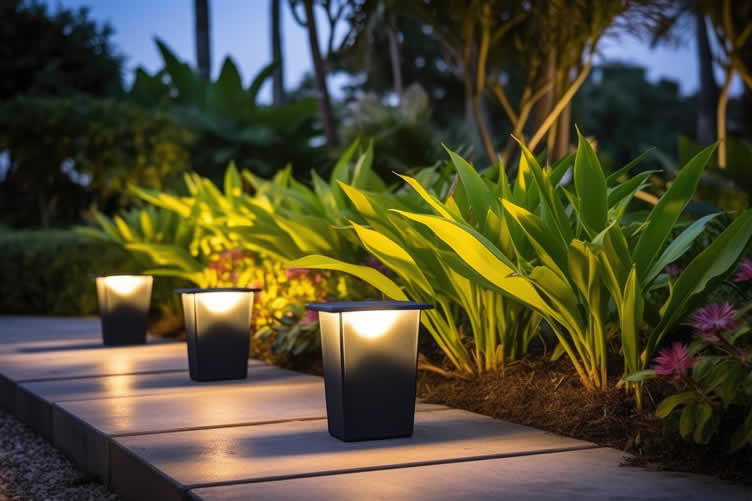
copyright image by 123rf.com
-
-
-
ideas to view and compare from the information discussed above
wired landscaping transformerlandscaping lights wired kitlandscaping light connectors

Scroll up to directory … or scroll to next section about elevating your landscape …
below for …
yard landscaping services


Find Yard n’ Garden Services Landscape Design Sprinkler Systems Metal Work Water Features Gazebos Play Equipment Outbuildings Fences top-rated, pre-screened local contractors FREE: download contractor selection enter zip code – powered by HomeAdvisor ™
Quick Contractor Guides selecting negotiating working with inspecting

sixth and last “photo remodeling” idea
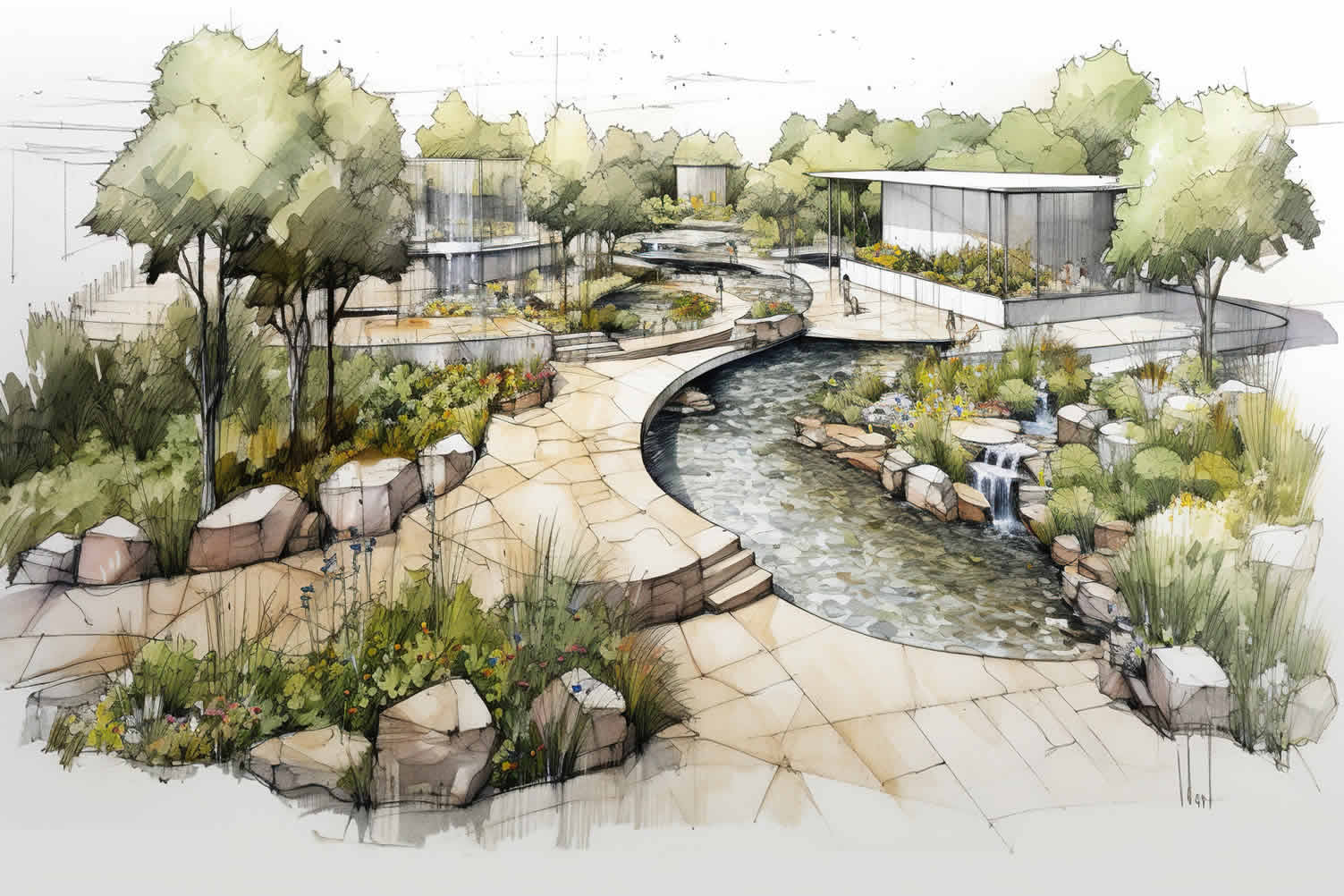

copyright image by 123rf.com
Section Tip 6: DIY Landscaping Planning and Implementation
Notes:
-
Planning and executing a DIY landscaping project requires a multifaceted approach. Begin with a detailed layout of your garden, considering factors such as soil type, sunlight patterns, and existing vegetation (as noted above).
Prioritize projects that align with your skill level and budget, starting small to gain confidence. Utilize online resources, gardening apps, and community advice to enhance your plan.
When implementing, pace yourself and maintain flexibility; some aspects of landscape design, like plant growth and weather conditions, are beyond your control.
-
Skills Needed for DIY Landscaping
Successful DIY landscaping isn’t just about having a green thumb. It demands a blend of creativity for envisioning space, patience to see the project through, and analytical thinking for problem-solving.
- Physical stamina is necessary for tasks like digging and planting.
- Knowledge in areas like botany, soil science, and basic construction can also vastly improve the outcomes of your landscaping projects.
- Lastly, time management skills are crucial to efficiently progress from planning to execution, ensuring each project phase receives the attention it deserves.
-
-
Quirk scroll to topic "help and maintenance" side notes …
-
-
1st: Hiring a Professional for Complex Projects
For projects that are beyond your skill set or require specialized equipment, hiring a landscape contractor or sub-contractor can be a wise decision. Complex tasks such as electrical work for outdoor lighting, plumbing for water features, or heavy earth-moving for landscaping require professional expertise.
When selecting a contractor, it’s important to conduct thorough research. Start by seeking recommendations from friends, family, or local gardening clubs. Online reviews and portfolios of past projects can also provide insights into their work quality and reliability.
Before making a decision, interview multiple contractors to compare quotes, time-lines, and experiences. Ensure they hold the necessary licenses and insurance to perform the work legally and safely. Clear communication about your vision, budget, and expectations is crucial to the success of the project.
A reputable contractor will provide a detailed contract that outlines the scope of work, payment terms, and timeliness. Remember, the cheapest quote may not always equate to the best value; quality and reliability should weigh heavily in your decision.
LetsRenovate has partnered with HomeAdvisor™, a renowned provider of highly-rated, carefully-vetted local contractors. Start your search here by choosing the type of contractor you need and entering your zip code to find local professionals.

copyright image by 123rf.com
But Wait!
Before starting the search and evaluation process for contractors, it is highly recommended to download and utilize this comprehensive worksheet. This will help ensure that you have all the necessary information and tools at your disposal to make informed decisions and streamline the entire process.
This resource will assist in impartially ranking and evaluating potential contractors, taking into consideration essential factors such as pricing,

Evaluation Sheet
File Type: -
2nd: Practical Tips for Landscape Maintenance
Maintaining a landscape to ensure its beauty and sustainability requires regular effort and smart practices. Effective maintenance not only enhances the visual appeal of your outdoor space but also protects your investment. Here are segmented sections with detailed descriptions of landscaping maintenance tips:
-
Regular Lawn Care
A lush, healthy lawn is fundamental to a beautiful landscape. Regular mowing, watering, and fertilizing are essential for maintaining its vibrancy. It is important to adjust your lawn care routine according to the seasonal changes.
For instance, watering needs decrease in fall and winter. Use a mulching lawnmower to naturally fertilize your lawn by returning nutrients to the soil.
-
Controlling Weeds
Weeds can quickly overrun a garden, stealing nutrients and water from your plants. Use mulch around your plants to help prevent weed growth by blocking sunlight.
For an eco-friendly weed control solution, consider spot-treating weeds with a vinegar solution or manually removing them by hand.
-
Pruning and Deadheading
Regular pruning helps to maintain the shape of your plants and encourages healthy growth. Deadheading, or removing spent blooms, prompts many flowering plants to produce more flowers. Always use clean, sharp tools for pruning to avoid damaging your plants.
-
Seasonal Cleanup
Each season brings specific cleanup tasks. Fall cleanup might involve raking leaves and aerating the lawn, while spring cleanup could focus on trimming perennials and cleaning up winter debris. These tasks help prevent diseases and prepare your landscape for new growth.
-
Irrigation System Maintenance
Efficient watering practices save water and ensure your plants receive the moisture they need. Check your irrigation system regularly for leaks and ensure it’s properly adjusted to avoid over-watering or under-watering.
Seasonal adjustments to your watering schedule can greatly improve plant health and water efficiency. By incorporating these practical tips into your regular landscape maintenance routine, you can enjoy a healthy, vibrant outdoor space year-round.

copyright image by 123rf.com
-
-
-
FINAL REMARKS
Your landscape is a canvas waiting to be painted, a blank slate for creativity and personal expression. By taking the time to understand your space, designing with intention, and giving attention to the details, you can create an outdoor environment that reflects the beauty of your home’s interior.
Don’t shy away from seeking professional help when needed, as their expertise can take your outdoor oasis to the next level. With each season’s change, you’ll find new ways to appreciate your outdoor space, and your landscape will continue to inspire and delight.
-
ideas to view and compare from the information discussed above
- What comments can you share about
elevating your landscape?
Scroll up to directory … or scroll to more home remodeling-related topics …
view illustration “becoming a bank”
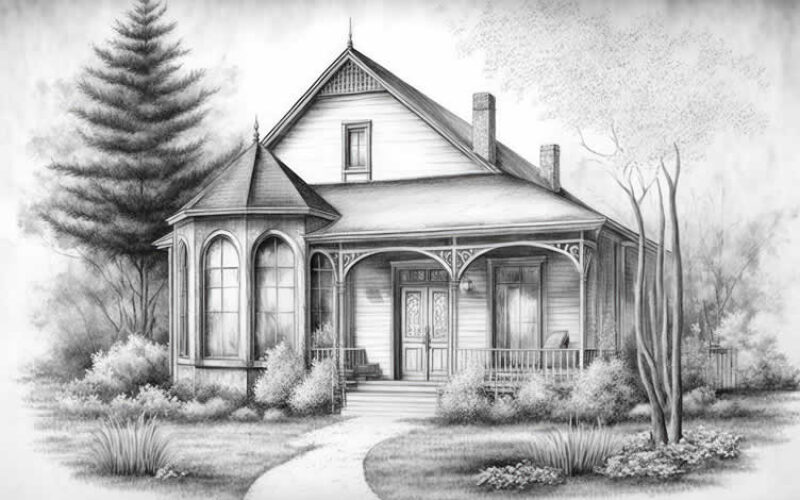

Cover image credit: elevating your landscape by 123rf.com
end of post … please share it!
 |
did you find this elevating your landscape analysis helpful? If so, please share the article with your friends and family! |
Nice pic idea? Leave us a quick comment below.
And please share this pic idea within your social networks.