Summary Outline –
Your home serves as your sanctuary – a safe space that protects and nurtures you. It’s only natural to want the best for it. However, amidst the frenzy of home renovations, we often overlook a vital aspect – the exterior, particularly the roof.
Neglecting the condition of your roof can have significant consequences, both in terms of aesthetics and property value.
This guide presents a comprehensive blueprint for a remarkable transformation of your home’s exterior, focusing specifically on a full-scale roof replacement.


-
Quik scroll to first topic about using this comprehensive guide to roof replacement …

first “comprehensive guide to roof replacement” idea

copyright image by 123rf.com
Section 1: Understanding the Importance of Roof Replacement
Notes:
-
Roof replacement is a significant aspect of home maintenance that often gets overlooked until severe issues arise. However, understanding the importance of roof replacement can help homeowners make timely and cost-effective decisions.
The roof functions as the primary shield against environmental elements, protecting the interior of your house from rain, snow, wind, and heat. A damaged or weakened roof compromises this protection, potentially leading to interior water damage, mold growth, and structural instability.
Moreover, roof replacement can greatly enhance your home’s curb appeal and value. A new roof not only improves the overall aesthetic of your house but also signals to potential buyers that the property has been well-maintained.
Additionally, advancements in roofing technology present an opportunity to upgrade to energy-efficient materials, which can significantly reduce cooling and heating costs, contributing to a sustainable and cost-efficient living environment.
-
Quik scroll to topic side notes …
-
-
1st: Identifying Signs That Your Roof Needs Replacement
Before seeking a roofing replacement service, you need to know when exactly it’s time to invest in one.
Look out for tell-tale signs like leaks during heavy rain or melting snow, water stains on ceilings or walls, damaged or missing shingles/roof tiles, and sagging roof lines.
Some key signs to look out for include the following:
-
Sign 1: Age of the Roof
The age of your roof is a crucial factor in determining the need for replacement. Typically, roofs have a lifespan of around 20–25 years, which can fluctuate depending on the material used and the maintenance provided.
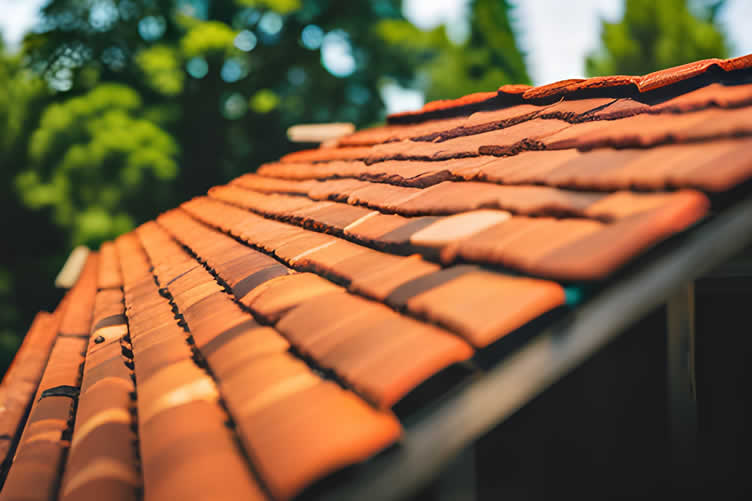
Roofs often exhibit their age through visible signs of exhaustion such as faded color, worn-out material, and loose or missing shingles. However, even if these signs are not present, it’s essential to bear in mind the age of your roof.
If your roof has crossed the 25-year mark, it would be wise to have it inspected by roofing professionals. They can conduct a thorough evaluation, pinpoint any underlying issues, and offer advice on whether a repair would suffice or a complete replacement is required.
[ view samples: aged roof]
-
Sign 2: Damaged or Missing Shingles
A clear sign that a roof may need replacing is the state of its shingles. If you notice any shingles that are cracked, damaged, or missing, it is a clear indication that your roof may need attention.
These deformities can lead to water seeping into the house, causing further damage. Regularly monitoring the condition of your shingles is a straightforward and preventative measure to identify potential problems.
[ view samples: damage or missing roof single]
-
Sign 3: Leaks
Water damage is one of the most evident and detrimental signs that a roof needs replacement. Stains or discolored patches on the interior ceilings and walls, or mold growth, often indicate a roof leak, which can be due to old or damaged shingles, improper sealing, or even punctures in the roof.
Also, check your attic for signs of water infiltration, such as damp insulation or daylight seeping through the roof boards. In addition, pay attention to the flashing around chimneys, vents, and skylights.
If the flashing is cracked, bent, or missing, it can allow water to seep into your home, causing significant damage. Lastly, the roof deck can also be an area of concern.
If you notice any signs of rotting or sagging, it’s a telltale indicator that your roof may need replacement. Remember, even minor leaks can lead to significant damage over time, compromising the structural integrity of your home and necessitating more extensive and expensive repairs.
[ view samples: water damage or leak]
-
Sign 4: Granules in the Gutters
Asphalt shingles are designed with a protective layer of tiny granules that shield the shingle material from the damaging effects of UV rays. However, over time, these granules can become loose and find their way into your gutters during rainstorms.
If you start noticing a significant accumulation of these granules in your gutters, it could indicate that your roof is approaching the end of its lifespan.
The loss of granules exposes the shingle material to the elements, making it more susceptible to damage and decreasing the overall lifespan of your roof. Regularly checking your gutters for these granules can help you identify when a roof replacement is necessary.
[ view samples: gutter granules]
-
Sign 5: Storm Damage
Roofs are subjected to harsh weather conditions, among which storms can be particularly destructive. High winds can tear off shingles or drive rain under them, leading to leaks or water damage. In extreme cases, storms can result in more visible damage like fallen tree branches or other debris impacting the roof.
After a significant storm, it’s advisable to perform a visual inspection of your roof for missing, cracked, or curling shingles, or any punctures or dents by hailstones. Furthermore, granules in the gutter are a sign of shingle deterioration.
Keep in mind that storm damage might not always be visible from the ground, and the integrity of your roof could be compromised without any immediate signs of damage. Therefore, consulting a roofing professional for an inspection after a storm is highly recommended.
They can assess the extent of the storm damage, provide an estimate for repairs, and determine if a roof replacement is the most practical solution. Remember, ignoring storm damage can escalate the issue, potentially leading to severe structural damage and expensive repairs down the line.
[ view samples: roof storm damage]
-
Sign 6: Moss or Algae Growth
Another significant sign that your roof may need replacement is the presence of moss or algae growth. This is more than just an aesthetic issue; these organic growths hold moisture against the roof surface, which can cause widespread deterioration over time.
In colder climates, moss can even cause damage by freezing and expanding. It’s crucial to note that shingle granules are designed to help protect the roof from sun damage, but moss and algae can cause these granules to wear away prematurely. If the growth is left unchecked, the lifespan of the roof can be significantly reduced.
Algae is typically a cosmetic issue, but can become problematic if it’s allowed to accumulate over time. If you spot extensive moss or algae growth on your roof, it’s a good idea to reach out to a roofing professional. They can determine whether the growth is indicative of the need for a roof replacement, or if it can be remedied with a thorough cleaning and preventive measures.
[ view samples: moss or algae growth]
-
Sign 7: Sagging Roof
A sagging roof is a serious sign that your roof requires immediate attention. This could indicate a structural issue, possibly related to the decking in the attic or, worse, the foundational supports of the house. If you notice any sagging, it’s crucial to get professionals to assess your roof as soon as possible.
[ view samples: sagging roof]
copyright image by 123rf.com

-
-
2nd: Factors to Consider Before a Roof Replacement
Several factors require careful consideration before undertaking this substantial project. Understanding the local weather patterns is crucial for assessing the durability of your roof.
Additionally, the architectural style of the home influences available remodeling options and associated costs.
-
Identifying the Architectural Style of Your Home
One of the primary considerations when choosing a roof replacement type is the architectural style of your home. Whether your home is a Colonial, Victorian, Modern, or Ranch style, the roofing material should ideally complement your home’s character and period.
For instance, slate roofing, which is often associated with stately, older homes, might look out of place on a sleek, modern design.
-
Matching Roofing Materials with Architectural Styles
Once you’ve identified your home’s architectural style, you can start exploring roof replacement types that harmonize with this style.
Colonial homes often feature wood shingles, whereas Victorian homes might suit ornate patterned shingles.
Modern homes, on the other hand, can benefit from the clean lines of metal roofs or the variety of colors and textures available in composite shingles.
Ranch style homes, being versatile, can work well with a multitude of roofing materials, from traditional asphalt shingles to more durable metal roofing.
Remember, the goal is to enhance your home’s architectural identity, not to clash with it.
copyright image by 123rf.com
Lastly, evaluate the potential return on investment (RoI), balancing both immediate expenses and long-term added value against each other.
It is important to choose high-quality materials to ensure the longevity of your new roof, even though they might incur a higher upfront cost. Labor costs, which can significantly vary depending on the location and the specific job, also account for a large portion of the expenses.
-
Long-Term Value of Roof Replacement
Over time, a new roof can add significant value to your property, thus compensating for its initial cost. A fresh, durable roof can increase your home’s market value, making it attractive to potential buyers and real estate investors.
Plus, new roofing systems are usually more energy-efficient, which can save on heating and cooling costs, providing a return on investment over time.
Lastly, a new roof can also save you from costly repairs associated with old, damaged roofs, further enhancing the return on your investment.
-
-
3rd: The Cost Factor: Planning a Budget
When it comes to ideal budget planning, there are various factors to consider. These include the chosen materials and installation type, labor costs, disposal expenses for old installations, and additional expenses for permits and inspections.
Having transparency about these specifics helps to facilitate future financial planning for the project:
-
Budgeting for a Roof Replacement
When planning a roof replacement, setting a realistic budget is crucial. Start by getting an estimate of the costs associated with the project. This includes, but is not limited to, the costs of materials, labor, permits, and waste disposal.
Always allocate an additional 10-20% of the total estimated cost for contingencies, such as unexpected repairs or price increases. Remember that choosing the cheapest option is not always the best decision, as the lifespan and durability of your new roof must be taken into account.
-
Costs Associated with Roof Replacement
The cost of roof replacement varies depending on several factors. Roof size, pitch, and complexity are key cost determinants, with larger or more complex roofs requiring more materials and labor.
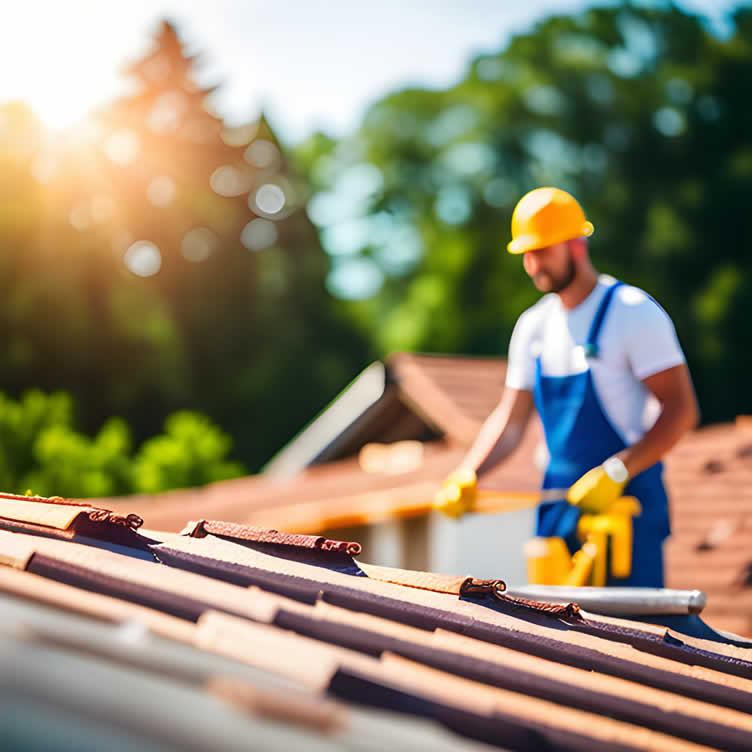
Material costs also vary widely depending on the type of roofing material chosen; asphalt shingles are typically less expensive than metal or tile roofs.
Labor costs also vary by region and depend on the expertise of the roofing contractor. Lastly, costs related to permit acquisition, waste disposal, and any necessary structural repairs should be factored into your budget.
Below are the associated costs for a roof replacement and the estimated numbers:
- Roof size:
The size of your roof will determine the cost of supplies, permits, and labor. On average, a 1,000-square-foot house costs around $4,000 to $5,500, while the cost for a 3,000-square-foot home can reach an average of $11,200 to $16,000 for roof replacement. - Roof materials:
The type of roofing material you choose will also affect the cost of your roof replacement. Asphalt shingles are a popular and cost-effective roofing material, while metal roofs offer enhanced durability and energy efficiency at a higher price point. - Labor costs:
Labor costs can vary depending on the region you live in and the complexity of your roof. In general, labor costs account for about 60% of the total cost of a roof replacement. - Other costs:
Other costs associated with a roof replacement can include permits, debris removal, and roofing accessories such as gutters and downspouts.
- Roof size:
-
Estimated costs:
- Total cost: $5,766 to $12,552
- Materials: Estimated cost per roofing square
- Asphalt Shingles – $1,000 to $1,500
- Metal Roofs – $1,500 to $2,500
- Tile Roofs – $2,000 to $3,000
- Wood Shake Roofs – $3,000 to $4,000
- Labor: $1.50 to $3.00 per square foot
- Other costs: $100 to $500
Note: These are just estimates and the actual cost of your roof replacement may vary. It is important to get quotes from several different roofing contractors before making a decision.

copyright image by 123rf.com
-
-
-
ideas to view and compare from the information discussed above
Scroll up to directory … or scroll to next section about viewing this comprehensive guide to roof replacement …

 … grab this directory of ideas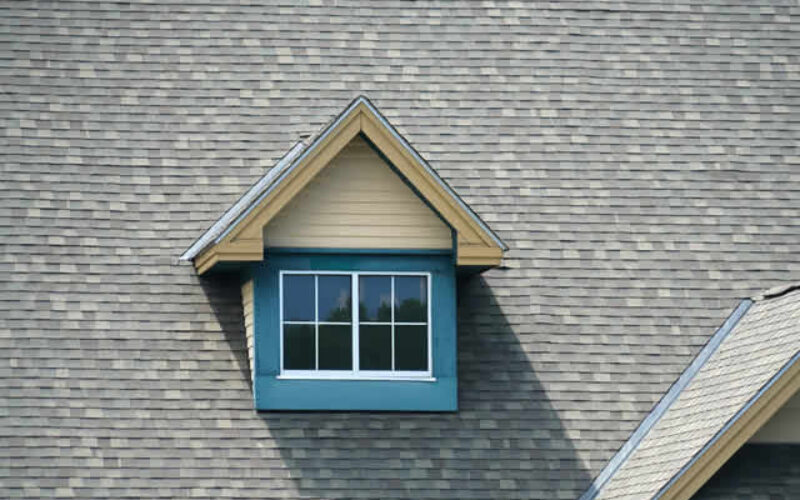


second “photo remodeling” idea

copyright image by 123rf.com
Section 2: Choosing Ideal Materials for Your New Roof
Notes:
-
The choice largely depends on environmental requirements, aesthetic preferences, budgetary limitations and anticipated ROI.
From traditional asphalt shingles to wood shakes/shingles through ceramic tiles towards environmentally friendly choices like solar tiles or green roofs – each option imparts a unique look along with varying levels of durability.
-
Quik scroll to topic side notes …
-
-
1st: Detail Look At Shingles
Roof shingles are essential for protecting your home from the elements and improving its aesthetic appeal. When considering a roof replacement, homeowners have various types of materials and shingles to choose from.
There are traditional asphalt shingles, durable slate tiles, environmentally-friendly wood shingles, and modern metal roofing. Each material has its own distinct characteristics, advantages, and disadvantages.
-
Asphalt Shingles
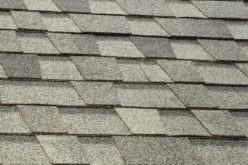
Asphalt shingles are one of the most popular types of roof materials due to their affordability and ease of installation. They come in a variety of colors and styles, allowing homeowners to customize the look of their home.
Unlike other types of roof shingles, asphalt shingles require minimal maintenance and can last up to 20 years, providing a good return on investment. They are also resistant to fire and algae growth, enhancing the overall safety and longevity of the roof.
However, despite these advantages, there are a few downsides to consider. Asphalt shingles tend to have a shorter lifespan compared to other materials like metal or slate. They are also more susceptible to wind uplift, which can cause damage or loss of shingles during severe weather conditions.
Additionally, while they are durable, they are not as robust as some other materials, particularly in extreme temperatures, which can lead to cracking and deterioration over time. Thus, while asphalt shingles are a cost-effective option, they may require more frequent replacements compared to their counterparts.
[ view sample ideas: asphalt shingles]
-
Metal Roofs
Metal roofs offer several significant advantages, making them an attractive choice for many homeowners. Among their benefits, a standout is their extreme durability with a lifespan of 50 to 70 years, nearly double or triple the life expectancy of traditional asphalt shingles.
Metal roofs are also lightweight, reducing the strain on the home’s structural integrity. They reflect solar radiant heat, which can help reduce cooling costs during hot summer months.
Furthermore, they are environmentally friendly, as most metal roofs contain a significant amount of recycled material and are 100% recyclable at the end of their life.
However, there are a few potential downsides to consider. While metal roofs are more cost-effective in the long run due to their longevity, the initial installation cost is significantly higher than other types of roof shingles.
They can be noisy during a heavy rain or hailstorm, although this can be mitigated by adding more insulation during installation. Lastly, incorrect installation can lead to water leaks and damage, making it crucial to hire a professional installer experienced with metal roofing.
[ view sample ideas: metal roof]
-
Tile Roofs
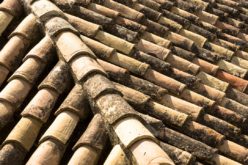
Tile roofs, often made from clay or concrete, bring a distinct charm to a property. They are incredibly durable, sometimes lasting over a century, and are resistant to fire, hail, and moisture. Tile roofs can also be energy efficient, helping to maintain a steady indoor temperature.
However, there are some disadvantages to this type of roof material. The initial cost for tile roofs is higher compared to other types of roof shingles because of the materials used and the specialized installation required.
Additionally, tile roofs are significantly heavier than other materials. This means that not every home can handle the weight without reinforcement to the structure, which could be an additional expense.
Lastly, while tile roofs are durable, they can be fragile when walked on, which may pose challenges for maintenance and repair.
[ view sample ideas: tile roof]
-
Slate Roofs
Slate roofs, with their natural appearance and remarkable longevity, are often associated with elegance and luxury. These roofs can last for a century or more, resisting elements such as fire, rot, and pests with ease.
Additionally, slate roofs have a unique ability to maintain the temperature inside the building stable, making them an energy-efficient choice.
However, with these benefits come some significant drawbacks. Slate is among the most expensive types of roof shingles, with both the material itself and the installation process adding to the cost.
Furthermore, similar to tile roofs, slate roofs are quite heavy, and some structures may need reinforcement to bear the load. Lastly, slate can be brittle and may break if walked on, which might complicate maintenance and repair tasks.
[ view sample ideas: slate roof]
-
Wood Shake Shingles
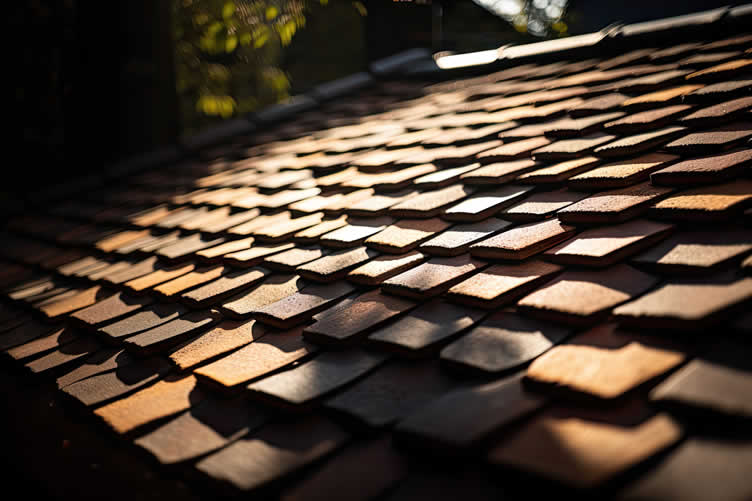
Wood shake roofs add a natural and rustic appeal to a property with their distinctive, hand-cut aesthetics. These types of roof shingles are eco-friendly, sourced from renewable materials, and offer good insulation, which might lead to energy savings.
Furthermore, wood shake roofs are known for their durability, lasting for up to 40 years if maintained properly.
However, these roofs are not without their drawbacks. They are more expensive than basic asphalt shingles both in terms of materials and installation due to their handcrafted nature. Also, they require more regular maintenance to prevent rot, mold, and insect damage.
Moreover, unless treated with fire-resistant chemicals, wood shake roofs can be a fire hazard, a factor that may also impact homeowner’s insurance costs.
Lastly, the environmental benefit can come with a caveat, as certain types of wood may not be sustainably harvested, which can negatively impact deforestation rates.
[ view sample ideas: wood shake shingles]
-
Solar Shingles
Solar shingles are a futuristic and environmentally friendly option for homeowners looking to reduce their energy bills and carbon footprint. These types of roof materials are designed to resemble conventional roof shingles but are equipped with photovoltaic cells to convert sunlight into electricity.
Their dual functionality of providing shelter and generating power makes solar shingles an appealing choice for many. They are also a discrete and aesthetically pleasing alternative to traditional solar panels.
However, solar shingles do come with a few drawbacks. They are considerably more expensive than traditional roof materials, both in terms of the shingles themselves and the installation process, which requires a specially-trained team.
Additionally, the amount of energy they can generate depends on the orientation of the roof and the amount of sunlight it receives, which may vary based on location and season.
Lastly, as a relatively new entrant to the market, their long-term durability compared to other types of roof shingles is still being evaluated.
[ view sample ideas: solar shingles]
-
Synthetic Rubber Tile
Synthetic rubber tiles are a flexible and durable type of roof material that offer a great balance of affordability and longevity. These tiles are made from recycled rubber, making them a more environmentally friendly choice compared to traditional asphalt shingles.
In addition, their strong resistance to weather damage, such as hail and wind, makes them a reliable roofing option. They are also known for their fire-resistant properties, further enhancing their safety features.
Despite these benefits, synthetic rubber tiles do have certain drawbacks. For one, while they can mimic the aesthetic of more traditional materials, they might not appeal to everyone’s taste or fit with every architectural style.
Furthermore, while the tiles themselves are relatively affordable, the cost of installation can be higher due to the need for specialized labor. Finally, as a less common material choice, finding a professional with the requisite experience to install and maintain these tiles can be challenging in certain areas.
[ view sample ideas: synthetic rubber shingles]
-
Green Roof
Green roofs, also known as living roofs, are a sustainable type of roof material that utilizes a layer of vegetation over a waterproofing system. A significant advantage of green roofs is their environmental impact; they reduce stormwater runoff, improve air quality, and can help mitigate the urban heat island effect. Additionally, they are aesthetically pleasing and can provide additional recreational space.
However, green roofs also have certain drawbacks. They require a significant amount of maintenance, including irrigation and regular weeding. Additionally, not all building structures are suitable for green roofs due to the added weight of the soil and vegetation, which can lead to higher installation costs.
Lastly, potential water leaks and root penetration can be an issue if the waterproofing system is not properly installed and maintained.
[ view sample ideas: green roof]
copyright image by 123rf.com
-
-
2nd: Other Roofing Elements
Before shingles can be installed on the roof, several other crucial roofing elements are required to provide maximum protection. These include:
-
Roof Decking
Roof decking plays a critical role in roof replacement, serving as the foundation on which other roofing materials are laid. It bridges the gap between the structural components of the roof and the final layer, often made from materials such as plywood or oriented strand board (OSB).
The decking supports the weight of the roof membrane, roof flashing, and other elements like roof venting systems. It also provides an extra layer of protection against environmental factors such as wind and rain.
[ view sample ideas: roof decking]
-
Underlayment (or Slip Sheets)
Underlayment constitutes another integral component in roof replacement, serving as a secondary barrier against weather elements. Commonly made from synthetic materials or felt saturated with asphalt, underlayment is installed directly onto the roof deck and beneath the roof membrane.
Its primary function is to prevent any water that may have seeped past the roof membrane from reaching the roof deck, thus providing an added layer of protection against leaks and water damage.
Additionally, underlayment also provides increased wind resistance and protects the roof deck during the installation process. Hence, selecting a high-quality underlayment is crucial as it can significantly enhance the lifespan and durability of your roofing system.
[ view sample ideas: roof underlayment]
-
Flashing
Generally composed of metal such as aluminum or copper, flashing is installed in areas of the roof where different surfaces intersect, such as around chimneys, skylights, and vents. Its main purpose is to form a watertight seal, preventing water penetration and directing runoff away from critical areas.
Without proper flashing, these transition areas are prone to leaks and subsequent damage, potentially undermining the integrity of the entire roofing system. Therefore, the correct installation of high-quality flashing is essential in ensuring the longevity and performance of your replaced roof.
[ view sample ideas: roof flashing]
-
Roof Venting
Roof venting plays a pivotal role in maintaining the overall health and durability of your roofing system. Consisting of a series of vents installed in the roof and soffits, roof venting facilitates the flow of air in the attic space, helping to regulate temperature and moisture levels.
In climates with cold winters, proper roof venting prevents the buildup of ice dams – icy buildups that can lead to water seepage and roof damage. In warmer climates, roof vents release hot air, reducing the cooling load and promoting energy efficiency.
Furthermore, by preventing excessive moisture buildup, roof venting helps deter mold growth and wood rot, thereby extending the lifespan of your roof. Therefore, when planning a roof replacement, it’s crucial to ensure your roof venting is correctly designed and installed to optimize roof performance and longevity.
[ view sample ideas: roof venting]

copyright image by 123rf.com
-
-
3rd: Evaluating Different Types of Roofing Solutions
Choosing the right roofing material involves considering not only its appearance but also the installation methods.
Flat roofing and sloped options like gable roofs or mansard variants should be evaluated based on architectural constraints and preferred outlooks.
-
Flat Roof Needs
When considering roof replacement materials for a flat roof, it’s crucial to weigh the unique needs and characteristics of this roof style. Flat roofs typically require materials that can withstand pooling water, as they lack the drainage capabilities of sloped roofs.
Therefore, durability and water resistance are key factors in choosing flat roof replacement materials. Options such as built-up roofs (BUR), modified bitumen, and PVC roofing are commonly used due to their superior sealing and durability properties, ensuring a long-lasting and leak-free roof.
[ view sample needs: roof replacement for flat roof]
-
Sloped Roof Needs
When it comes to sloped roofs, the criteria for roof replacement materials shift. Sloped roofs, with their distinct angle, do a better job at natural drainage, limiting the issue of pooling water.
However, their inclination exposes them directly to environmental conditions like wind, rain, and sun, making weather resistance a prime consideration. Asphalt shingles are a common choice for their affordability, durability, and varying aesthetic options.
Metal roofing, while more expensive, offers superior durability and can endure harsh weather conditions. Tile and slate, though costly, provide a classic look and longevity unparalleled by other materials.
[ view sample needs: roof replacement for sloped roof]
-
Gable Roof Needs
A gable roof, also known as a pitched or peaked roof, is one of the most popular roof styles in the US. When selecting roof replacement materials for a gable roof, the considerations combine elements from both flat and sloped roofs. This is because, while a gable roof is sloped, enhancing drainage, its design can also trap snow or debris, akin to a flat roof.
Therefore, materials chosen for a gable roof replacement should be both weather-resistant and capable of withstanding occasional pooling. Asphalt shingles are a prevalent choice, owing to their cost-efficiency, durability, and wide range of design choices.
Metal and slate are also viable options; despite being pricier, they offer exceptional durability and can handle diverse weather conditions.
[ view sample needs: roof replacement for gable roof]
-
Mansard Roof Needs
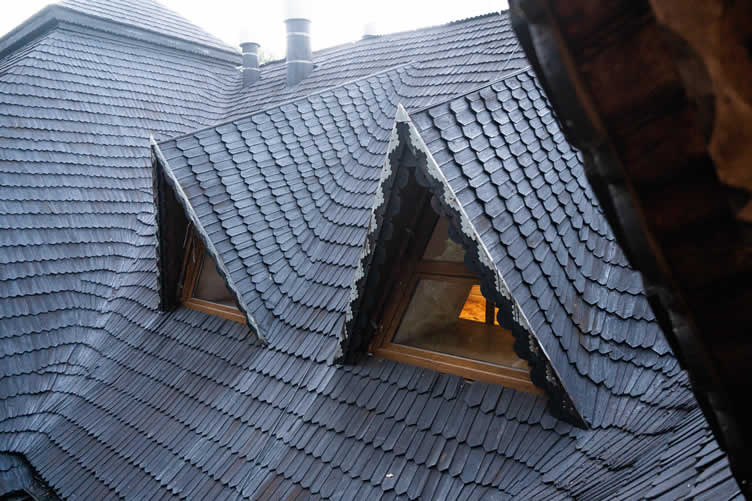
The Mansard roof, often referred to as a French roof, is a four-sided gable-styled roof characterized by two slopes on each side, with the lower slope being steeper. When considering roof replacement materials for a Mansard roof, factors such as weather resistance, durability, and aesthetics are crucial.
The unique design of the Mansard roof means that the lower, steeper sections are more exposed to weather elements, requiring a durable and robust material like metal or slate.
However, the visibility of the roof also makes aesthetics a significant consideration. For homeowners desiring a traditional look, wood or slate shingles can provide both durability and a visually appealing exterior.
[ view sample needs: roof replacement for mansard roof]
copyright image by 123rf.com
-
-
3rd: Don’t Forget About New Gutters
When engaging in a roof replacement project, it’s an ideal time to consider installing new gutters. The seamless integration of the two processes can save both time and money, and ensure that the roof and gutters function harmoniously to protect your home from water damage.
By replacing your gutters during your roofing project, you can ensure that both components are in peak condition and working effectively.
-
Types of Roof Gutter Components
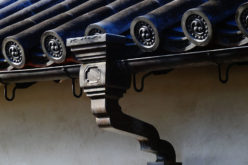
There are several key components to a gutter system that you should be aware of. These include the gutter channels, which collect and direct water away from the roof; and downspouts, which carry the water from the gutter channels to the ground.
Depending on your home’s specific needs, you may also need to consider additional components such as fascia brackets, end caps, and downspout extensions.
By understanding these components, you can make an informed decision about what type of gutter system will best serve your roof replacement project.
[ view sample components: gutter component diagram]
-
Installing Gutter Guards
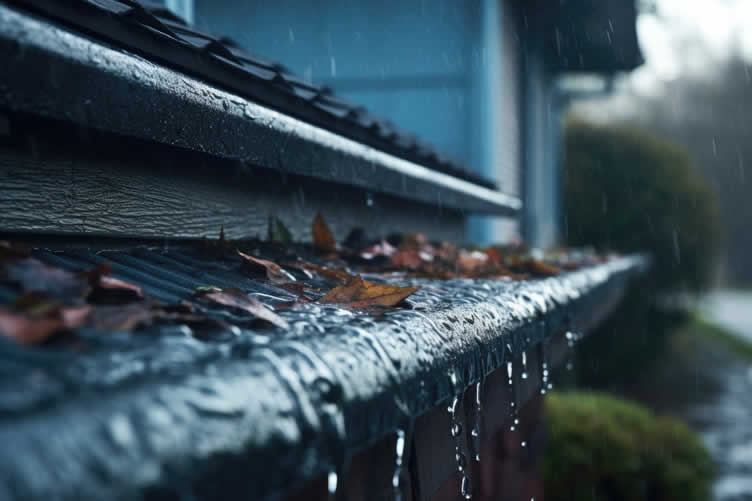
Gutter guards are an essential part of any gutter system, especially when installing new gutters during a roof replacement. They serve as a protective barrier, preventing leaves and other debris from entering and clogging the gutters. This aids in maintaining the effectiveness and longevity of your gutter system.
Gutter guards come in different types, including mesh, screen, and surface tension models, each with its own advantages. While installing gutter guards may add to the initial cost, their ability to reduce the need for regular gutter cleaning and prolong the lifespan of your gutters can make this a worthwhile investment in the long run.
[ view sample types: types of gutter guards]
copyright image by 123rf.com
-
-
-
ideas to view and compare from the information discussed above
Scroll up to directory … or scroll to next section about viewing this comprehensive guide to roof replacement …
making roof decisions


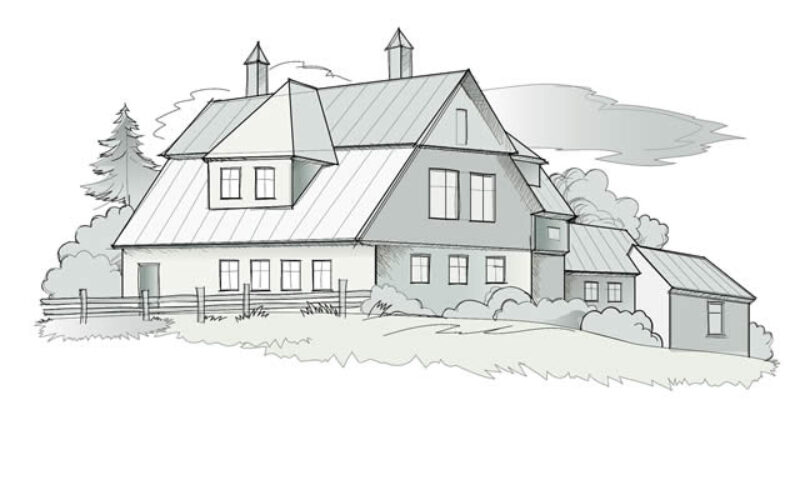
remodeling decisions





view illustration “becoming a bank”
May We Suggest Other Photo Remodeling Ideas About
“Your Garden as Part of Your Exterior Home Improvements …” (new win)

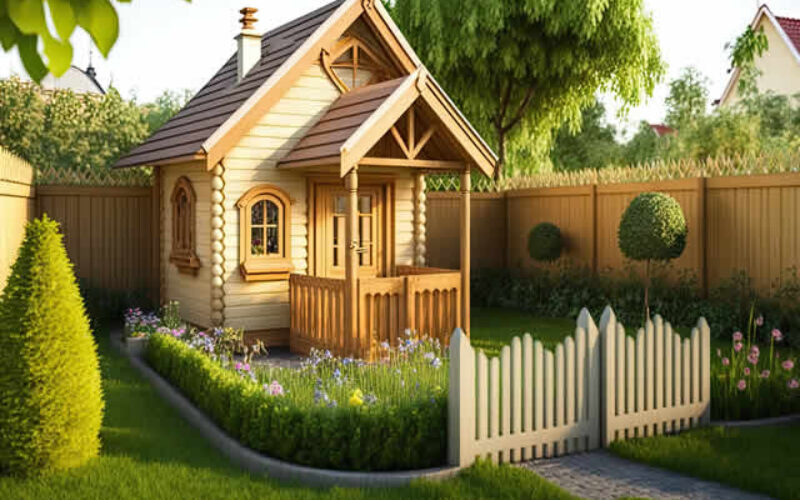

third “photo remodeling” idea

copyright image by 123rf.com
Section 3: What To Expect When the Process Begins
Notes:
-
The installation of a new roof is a meticulous process, composed of several fundamental steps that each contribute significantly to the overall project. This orderly progression ensures both the roof’s longevity and its ability to safeguard your home against environmental elements.
The steps in the installation of a new roof range from preparing the work area and removing the old roofing material, to installing the new roofing structure and conducting a final review.
In the subsequent sections, we will delve deeper into each step, providing a comprehensive understanding of what each phase entails and its crucial role in a successful roof replacement project.
-
Quik scroll to topic side notes …
-
-
Step-A: Preparing the Work Area
The preparation of the work area is a critical first step in the process of roof installation, primarily to ensure the safety of the workers and the house residents. This step involves setting up ladders securely and making sure that they are stable enough to bear the weight of workers and materials.
Additionally, the surrounding area should be cleared of any objects or debris that might pose a risk of accidents. If the property has any landscaping or delicate elements nearby, they should be covered or protected from potential damage during the roof removal or installation process.
Lastly, a dumpster may be set up to collect the old roofing materials for proper disposal. Preserving a clean, safe, and organized workspace is paramount for a smooth and efficient roofing installation.
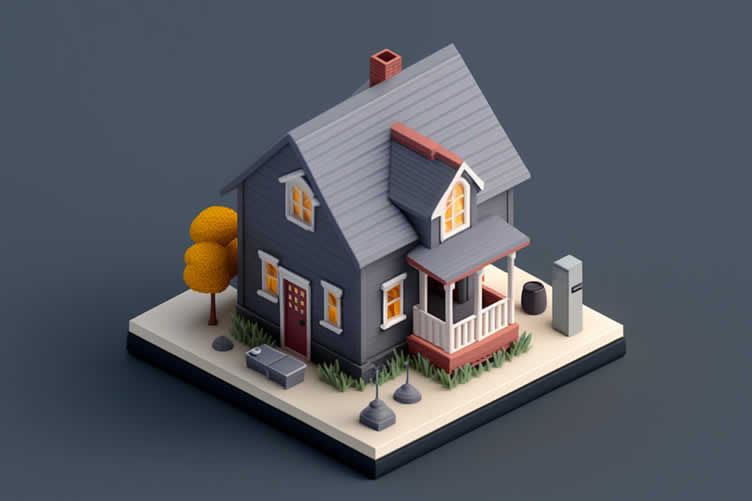
copyright image by 123rf.com
-
Step-B: Removing the Old Roof
The second step in the roof installation process entails removing the old roofing material. This step involves meticulous stripping the existing shingles, underlayment, flashings, and other roofing materials.
Trained professionals equipped with the correct tools will systematically remove these materials, starting from the roof’s peak and moving carefully down towards the edges.
This process needs to be performed with caution to avoid any accidental damage to the underlying structure or the house.
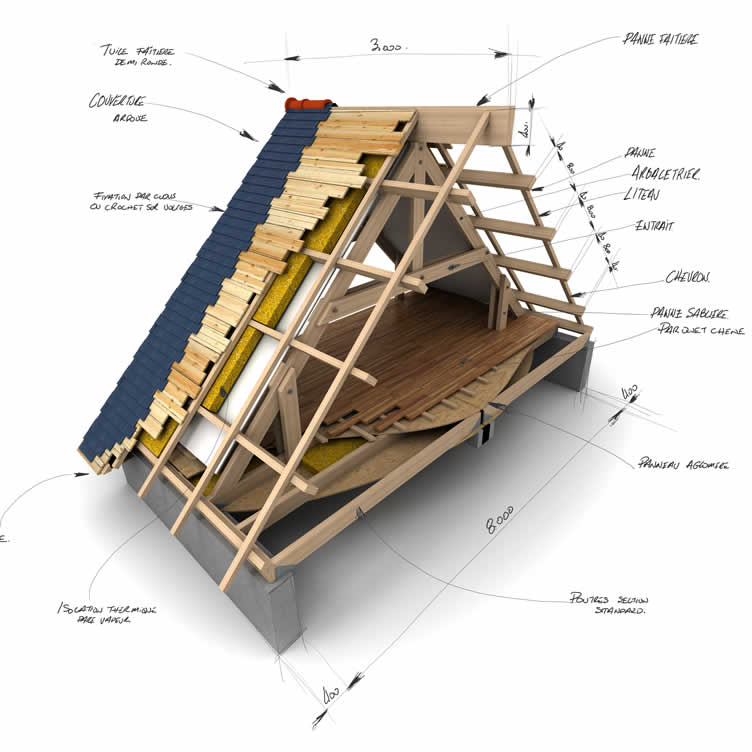
copyright image by 123rf.com
-
-
-
Step-C: Installing the New Roof
Once the old roofing material is entirely removed, the next step involves a thorough inspection of the roof decking, the foundational surface on which the new roof will be installed. This inspection is crucial to identify any signs of rot, water damage, or structural issues that could compromise the new roof’s stability and longevity.
If any problems are detected, they must be repaired or parts of the decking replaced before proceeding to the next step. This ensures a solid and secure base for the new roof, guaranteeing maximum performance and lifespan.
-
Installing the Underlayment
Post-inspection and any necessary repairs to the roof decking, the next step of roof installation is laying the underlayment. This is a protective, water-resistant layer that provides an additional shield against moisture infiltration and weather damage.
It is typically made of synthetic materials and is rolled out and secured onto the roof decking with roofing nails or staples. The underlayment needs to be installed carefully, ensuring end-to-end coverage and proper overlap of the material strips to avoid any chance of water seepage.
-
Applying the New Roofing Material
With the underlayment securely in place, the process proceeds to the application of the new roofing material. This could be shingles, tiles, or metal sheeting, depending on the homeowner’s preference and the house’s structural requirements.
This step is a meticulous process where roofing materials are overlaid in an overlapping pattern, starting from the bottom edge of the roof and working upwards. Each piece is securely fastened to the roof, ensuring a tight and waterproof seal. Proper installation of the roofing material is critical for the roof’s overall performance, durability, and aesthetics.
-
Ventilation and Flashings
Once the new roofing material is installed, attention must be paid to ventilation and flashings. Gutters need to be correctly installed and checked for proper alignment, as well as any appropriate flashing materials like valleys, hips, ridges or eaves.
For example, the most common types of flashing materials:
-
Flashing:
Flashing is metal pieces that are installed around chimneys, skylights, and other roof penetrations to prevent leaks.[ view samples: flashing]
-
Valleys:
Valleys are the low points in the roof where two slopes meet. They are prone to leaks, so they need to be properly waterproofed.[ view samples: roof valleys]
-
Drip Edge:
Drip edge is a metal flashing that is installed along the edge of the roof to prevent water from seeping under the shingles.[ view samples: roof drip edge]
-
Ridge Cap:
The ridge cap is the row of shingles that is installed at the peak of the roof. It helps to protect the roof from water and wind damage.[ view samples: roof ridge cap]
Ventilation needs to be ensured through the installation of intake and exhaust vents that allow the home to “breathe”. This helps in removing excess heat and moisture, thereby extending the life of the roofing material and preventing damage due to condensation and other moisture issues.
For example, the most common types of roof ventilation:
-
Ridge Vents:
Ridge vents are the most popular type of roof ventilation. They are installed along the ridgeline of the roof and allow air to flow freely from the attic to the outside.[ view samples: ridge vents]
-
Soffit Vents:
Soffit vents are installed along the eaves of the roof and allow air to flow into the attic. Soffit vents are typically made of metal or plastic and can be either louvered or screened.[ view samples: soffit vents]
-
Box Vents:
Box vents are installed in the roof and allow air to flow out of the attic.[ view samples: box vents]
-
Turbine Vents:
Turbine vents are powered by the wind and help to create a natural airflow in the attic.[ view samples: turbine vents]
-
Power vents:
Power vents are electrically powered (or solar powered) and help to create a forced airflow in the attic.[ view samples: powered vents]
-
-
Finishing Touches
The final phase of a roof installation is adding the finishing touches. This includes removing debris, cleaning up the work area and checking for nails or other materials that may have been left behind on the roofing surface.
Sealing all joints with a quality sealant is also part of this step.
After these steps are completed, you can be confident that your newly installed roof will provide your home with reliable protection from the elements!
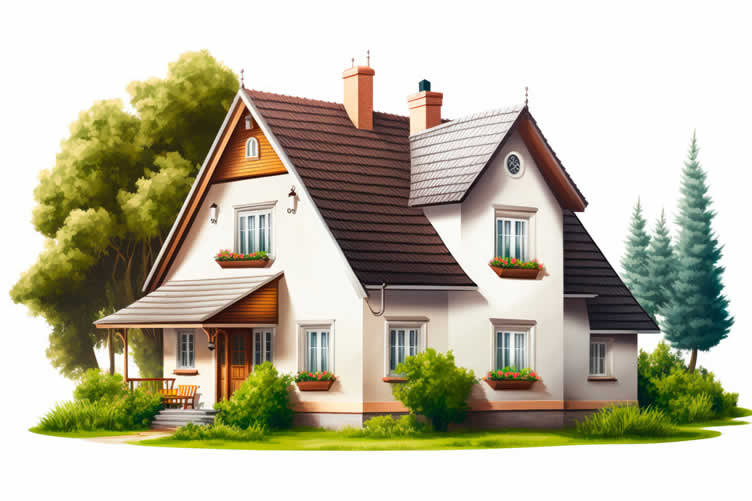
copyright image by 123rf.com
-
-
-
ideas to view and compare from the information discussed above
Scroll up to directory … or scroll to next section about viewing this comprehensive guide to roof replacement …
below for …
roof replacement and maintenance
fourth “photo remodeling” idea

copyright image by 123rf.com
Section 4: The Role of Professional Roofing Contractors
Notes:
-
Professional roofing contractors offer valuable expertise in executing projects within expected timelines and budgets. They also handle insurance claims and ensure compliance with local building codes, obtaining necessary permits before commencing work.
Reasons why you should work with a professional roofer:
-
Expertise:
Professional roofers have been in the industry for many years and have worked on different types of roofing projects. They can deliver excellent results with no mistakes, ensuring your roof remains safe and undamaged for a long time.
-
Cost-Effective:
Hiring a roofing contractor to install a new roof is cost-effective. They can get roofing materials at lower costs than homeowners because they have long-term relationships with suppliers. Furthermore, they have the right tools required to complete the work depending on the roof situation.
-
Quality Material:
Professional roofers have access to high-quality roofing materials, which ensure your roofing services or repairs last for a long time.
-
Enhanced Safety:
Professional roofing contractors prioritize the safety of their workers during installations and repairs. They invest in safety gear to prevent accidents and ensure the well-being of roofing professionals.
-
Warranty Offers:
Most professional roofers provide warranty on both materials and labor they’ve used. This provides the homeowner with peace of mind because the new installation or repair is protected irrespective of what happens after the project is completed.
-
Peace of Mind:
Working with professional roofers will ensure peace of mind since you know that the job will be done right and to your satisfaction. Furthermore, they can provide regular maintenance services to keep your roof in the best condition possible.
-
Timely Delivery:
Professional roofers have a team of workers who are well-trained and experienced in completing projects on time. They understand deadlines and work hard to ensure that the project is completed within the set timeframe.
-
-
Quik scroll to topic side notes …
-
-
1st: Getting Quotes and Selecting Your Contractor
One of the trusted ways to find roofing services is through referrals from friends and neighbors. They can give you a good overall assessment of their work and commitment.
But sometimes, you might have to utilize a third-party search portal offered by a reputable brand. These portals thoroughly vet their contractors and provide multiple roofing contractors (2-3 or more) who will submit bids for your project.
LetsRenovate has aligned with HomeAdvisor ™, one of the leading providers of top-rated, pre-screened local contractors. Begin your search here by selecting the type of roofing services needed and then entering your zip code for local contractor search.
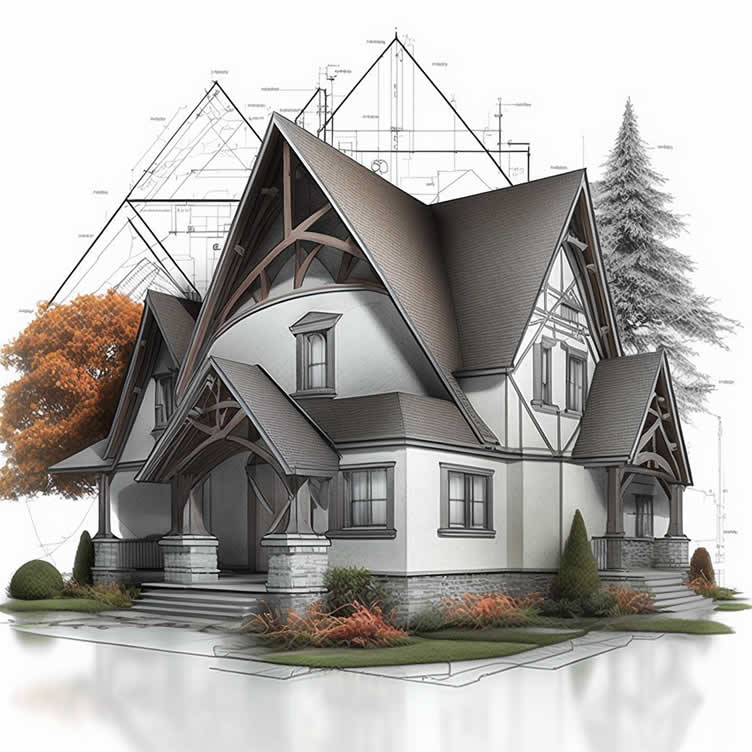
copyright image by 123rf.com
But Wait!
Download first this contractor search and evaluation worksheet to rank and evaluate contractors as it relates to price, experience, time commitment, insurance, references, and their affiliation with professional associations.
Look for and compare contractors regarding positive customer reviews, proven experience, and a solid reputation in the community. It’s beneficial to check whether they’re licensed and insured, as this provides an additional layer of protection.
Additionally, reputable roofers will be more than willing to provide a written estimate, a timeline for the project, and a clear explanation of the work to be done.
A few critical questions to ask before settling on a roofing contractor could include:
- How long have you been in the roofing business?
- Can you provide references from previous clients?
- Do you possess the necessary licenses and insurance?
- What kind of warranty do you offer on your work?
- How will you handle any unforeseen issues that may arise during the project?
Likewise, be prepared to answer these questions that the roofing contractor may ask in order to provide the estimated cost and timeframe:
- What is the current type and age of your roof?
- Have you experienced any issues such as leaks or damages with your current roof?
- Are there any specific materials you would prefer for your new roof?
- Do you have a specific budget in mind for this roof replacement project?
- Are there any specific timelines or deadline you’re working within for this project?
- Do you have plans for any other home improvement projects that may affect your roof?
- Are there any unique architectural features of your home that we should be aware of?
- Do you have any specific aesthetic preferences for your new roof?
- How accessible is your property for our equipment and crew?

Evaluation Sheet
File Type:
Spec Planning
File Type:
-
-
-
2nd: About Permits and Regulations
Like any substantial renovation project at hand, research information about local building regulations, which typically govern construction safety standards and building codes.
Further examples include:
-
Roof Replacement Permits
When planning a roof replacement, homeowners (or the roofing contractor) must first obtain the necessary permits. These permits are issued by local authorities to assure the work conforms to building codes.
Without these permits, homeowners may face penalties, have trouble selling their home or even be required to remove the work. Always check with your local permit office before starting a roof replacement project.
-
Roof Replacement Building Codes
Building codes for roof replacement can vary widely by region and even by municipality. These codes stipulate the materials that can be used, the method of installation, and the slope of the roof.
They also dictate the number of layers of roofing that can be installed and the condition of the structure that supports the roof. Familiarizing yourself with the building codes in your area is essential in ensuring a successful and legal roofing project.
-
Roof Replacement Regulations
Beyond permits and building codes, other regulations may impact your roof replacement. For example, if you live in a historical district, there may be additional guidelines to preserve the architectural integrity of your home. Environmental regulations might also apply, particularly in areas prone to natural disasters.
Always research or consult a roofing professional to understand all the regulations pertinent to your specific roof replacement project.
-
Insurance Claims
The regulatory formalities surrounding homeowner insurance can often have significant financial implications.
For example, a homeowner who experienced fire damage and needed to replace their leaky rooftop sought the assistance of a professional service.
By ensuring they had proper insurance coverage in place beforehand as quoted via the Policygenius website incidence data-bank, they were able to mitigate the considerable costs associated with such repairs.

copyright image by 123rf.com
-
-
-
ideas to view and compare from the information discussed above
Scroll up to directory … or scroll to next section about viewing this comprehensive guide to roof replacement …

Find Roofing Services Roof Replace Roof Repair Roofing Other Gutter Systems top-rated, pre-screened local contractors FREE: download contractor selection enter zip code – powered by HomeAdvisor ™
Quick Contractor Guides selecting negotiating working with inspecting

fifth and last “photo remodeling” idea

copyright image by 123rf.com
Section 5: Maintaining New Roofs – Essential Tips
Notes:
-
To ensure your newly installed roof’s longevity, you need to take preventative measures against damaging elements. Simple but effective steps can remarkably extend the roof’s lifespan. These include:
-
Regular Cleaning
One of the key new roof maintenance tips is regular cleaning. Leaves, branches, and other debris can accumulate on your roof over time, potentially causing damage.
To prevent this, it’s advisable to clean your roof regularly, particularly after a storm or during fall when trees shed their leaves.
However, avoid walking on your roof as it can lead to unnecessary wear and tear. Instead, use a long-handled broom or a leaf blower to remove debris.
-
Inspect Gutters for Clogs
Clogged gutters can cause significant damage to your roof. Debris such as leaves, dirt, and twigs can accumulate in the gutter system, preventing water from draining properly. This can lead to pooling water around your home, which can then seep into the shingles and cause leaks.
Make sure to regularly inspect your gutters for signs of clogs and use a garden hose to flush out any debris.
-
Check for Damages
Maintaining your new roof after roof replacement also involves periodic checks for damages. These checks should be done at least twice a year or after a major weather event. Look out for signs of wear and tear, such as missing or damaged shingles, discoloration, or sagging.
If you notice any issues, contact a professional roofer immediately to prevent minor problems from escalating into major ones. Also, pay special attention to the roof flashing, as it’s often susceptible to leaks.
-
Proper Ventilation
Good air circulation is essential for a healthy roof, so make sure your attic is properly ventilated. This helps to avoid problems associated with high humidity levels, such as mold and mildew growth.
Additionally, proper ventilation also helps to protect the roof from extreme temperatures and reduce energy consumption in the home. The best way to achieve this is to install attic fans or increase the number of soffit and ridge vents.
These simple tips are essential for maintaining your new roof after roof replacement and ensuring it continues to provide optimal protection for you and your family.
Follow these guidelines and contact a professional if you have any questions or concerns about your roof’s condition. That way, you can rest assured that your home is safe and secure for years to come.
-
-
Quik scroll to topic side notes …
-
-
About Installing Solar Panels
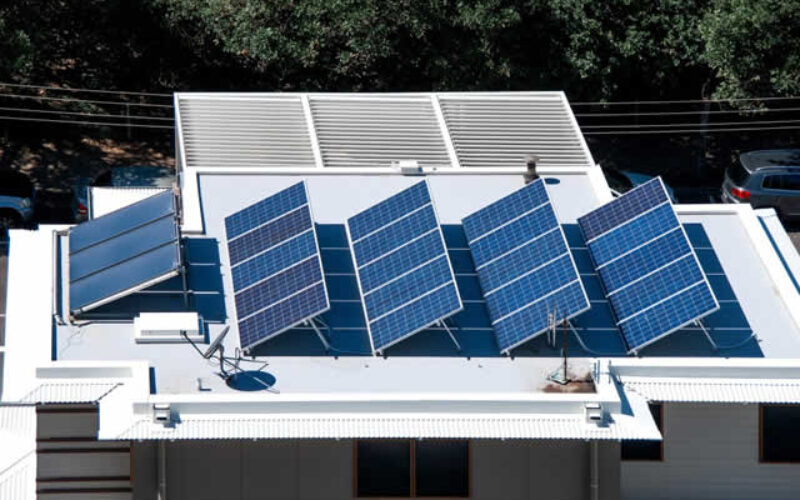
Adding solar panels during a roof replacement can be a strategic decision for homeowners as it leads to enhanced energy efficiency and significant cost savings. Solar panels harness the energy of the sun to generate electricity, reducing reliance on traditional energy sources.
This can result in substantial savings on electricity bills, particularly in sun-rich regions.
-
Environmentally Friendly
Moreover, solar panels are environmentally friendly. They produce renewable energy which reduces greenhouse emissions, contributing to a healthier, more sustainable environment. Hence, by installing solar panels during a roof replacement, homeowners are making a contribution to combat climate change while also increasing their property value.
-
Tax Benefits
In addition, you may be eligible for tax credits or other rebates when investing in solar panels. These incentives vary from country to country, so it’s important to check what rebate programs are available to you.
If such a program exists in your area, it is wise to take advantage of the opportunity and invest in solar panel installation during your roof replacement.
-
Improved Home Value
Finally, installing solar panels during a roof replacement is an investment that can increase the value of your home. Potential buyers nowadays look for properties with energy-efficient features, as they are aware of their potential to cut down on electricity bills and help reduce their carbon footprint.
Therefore, having solar panels installed on your roof can make your property more attractive to prospective buyers and provide you with a valuable selling point when the time comes.

copyright image by 123rf.com
-
-
-
FINAL REMARKS
This comprehensive guide provides essential details about complete roof replacements. By enhancing the exterior of your home, a replacement boosts your living comfort and simultaneously improves your home equity benefits.
With the housing market becoming increasingly competitive, replacing your old roof is a compelling way to initiate immediate transformations today!
-
ideas to view and compare from the information discussed above
- What comments can you share about
comprehensive guide to roof replacement?
Scroll up to directory … or scroll to more home exterior ideas …

new gutters and drainage systems for your new roof
Cover image credit: comprehensive guide to roof replacement by 123rf.com
end of post … please share it!

Nice pic idea? Leave us a quick comment below.
And please share this pic idea within your social networks.