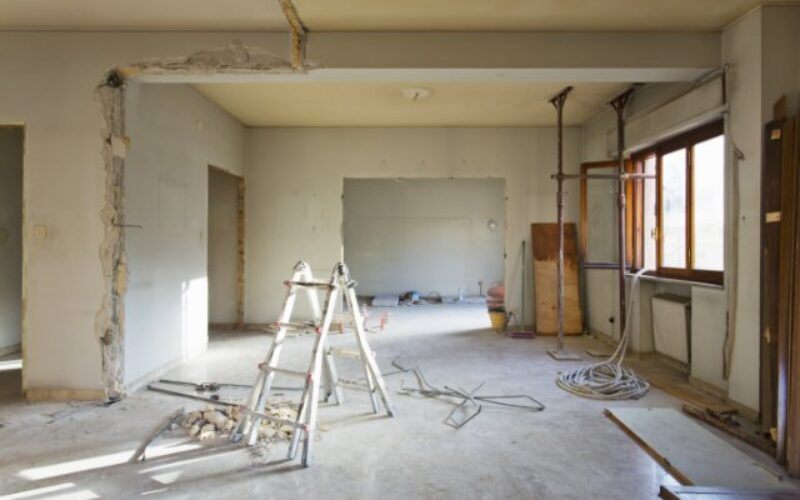

Renovating an older home can finally give you the chance to update details you’ve wanted to change for years. It can also expose materials you’ve never seen. Once you open a wall or remove an old floor, a simple remodeling plan can suddenly raise questions about what you’ve uncovered. Material testing gives you a clearer way to answer those questions before uncertainty disrupts the project.
Older Homes Hold Hidden History
When you buy an older home, you inherit more than its visible character. Previous renovations may have covered original flooring or concealed older materials behind newer finishes. You might not know those materials exist until your current renovation reaches them.
That history helps explain why older homes need material testing before renovation. A contractor may recognize a material that deserves closer attention, but appearance alone can’t confirm what it contains. Testing can provide answers that a visual inspection can’t.
Remodeling Can Expose What’s Hidden
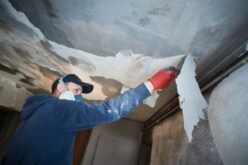
You don’t need to renovate the entire house to encounter an unfamiliar material. Replacing a ceiling or opening one wall can reveal layers that haven’t seen daylight in decades.
The key question isn’t whether an old material looks unusual. You need to consider whether your project will disturb it. Renovation work can change the situation by breaking an intact material apart, so identifying a questionable product first can help you plan appropriately.
Testing Replaces Guesswork With Answers
When you uncover an old building material, you may have no reliable way to tell what it contains. You may find flooring that looks like something you saw online, but a photograph or description can’t confirm its contents.
That’s where material testing becomes useful. A properly collected sample can go to a laboratory for analysis, giving you information specific to the material in your home. With those results, you can plan the next stage based on evidence rather than an assumption.
If you encounter a material that could contain asbestos, professional testing can confirm whether it’s present rather than leaving you to rely on appearance. Knowing when to involve an expert also matters because collecting a sample requires disturbing the material you want to test.
Some Materials Deserve More Attention
An older surface isn’t automatically a cause for concern. Instead, pay closer attention when your renovation reaches materials that you can’t identify confidently, particularly when the work will cut into or remove them.
Your home’s age can provide context, but it shouldn’t serve as proof of what’s present. Your home may also contain renovations completed decades apart. One room might contain relatively new materials while another still has layers from a much earlier period.
During planning, these situations can signal that you need more information:
- You can’t identify a material your project will disturb
- Old flooring appears beneath a newer finished floor
- Renovation exposes unfamiliar insulation
- A ceiling material has an unknown composition
- Previous remodeling left concealed layers behind
None of these situations confirm that a material contains asbestos or another hazardous substance. They simply indicate when further evaluation may make sense.
Timing Can Protect Your Schedule
You probably don’t want questions about an unknown material to surface after demolition has already started. At that point, you may need to stop work while you determine what you’ve uncovered.
Addressing questionable materials during project planning gives you more room to respond to the results. If testing rules out the suspected concern, you can plan the next phase with greater certainty. If the results require a change in plans, you can account for that change before your contractor reaches the affected area.
Early Answers Support Better Decisions
Think of material testing as part of renovation preparation rather than an extra task that complicates your project. You don’t need to test every surface in your home. Instead, focus on materials that your planned work may disturb and that you can’t identify with reasonable confidence.
This approach can also make conversations with contractors more productive. When you know what a material contains, you and your contractor can discuss the work with greater clarity. You won’t have to make decisions based on assumptions in the middle of demolition.
Testing and Removal Aren’t the Same
It’s easy to treat identification and removal as one issue, but they answer different questions. Testing determines what a sampled material contains. If testing identifies asbestos, you can determine what your renovation requires before anyone disturbs the material further.
A positive result doesn’t mean you should immediately start pulling the material out yourself. Instead, the result gives you a clear point from which to determine the appropriate next step. You can use that information to discuss appropriate next steps with qualified professionals and adjust the renovation plan accordingly.
Understanding this distinction also keeps the project focused. You aren’t testing because every older material needs removal. You’re testing because accurate identification can tell you whether the material requires special consideration.
Your Renovation Plan Becomes Clearer
Renovation decisions often depend on sequence. One part of the project may need to finish before another trade can begin, and an unidentified material can interrupt that sequence.
When you address material questions earlier, you can build a more realistic plan around what your home contains. That can help you coordinate upcoming work without leaving your contractor to make assumptions about unidentified material.
This is another reason older homes need material testing before renovation. The goal isn’t to make an older house seem dangerous; it’s to understand what you’re working with so you can make informed decisions about the process.
Make Curiosity Part of Planning
Older homes often reward curious homeowners. If something beneath a floor or behind a ceiling makes you wonder what it is, you don’t have to solve the mystery by guessing from its color or texture.
Give yourself room to answer that question properly. If your renovation disturbs a material you can’t identify, consider whether testing can provide the confirmation you need.
A successful renovation isn’t only about the finished room you can picture today. It’s also about understanding the house you’re changing. By giving hidden materials some attention during planning, you can move forward with a clearer picture of what your project actually involves.
Image Credentials: lapas77, 220658502
|__________________________________________________________|
home remodeling surprise
find out where it might go - new win


Helpful article? Leave us a quick comment below.
And please share this article within your social networks.