Quick Answer:
A master bedroom stays visually calm when you commit to a limited color palette, choose furniture with a clear purpose, and build storage into the design rather than adding it as an afterthought. Intentional choices—not fewer belongings—are what separate a serene bedroom from a chaotic one.
The good news is that a stylish, clutter-free master bedroom doesn’t require a minimalist lifestyle or an empty room. It requires intentional design choices: a cohesive color story, furniture chosen for function as much as form, and storage solutions built into the layout rather than tacked on later.
This guide walks through each of these decisions so you can create a master bedroom that feels calm, personal, and easy to maintain.
- post content
- Assess Your Space And Style
- Choose A Cohesive Color Palette
- Select Furniture With Purpose
- Master Clutter-Free Storage
- Layer Your Lighting
- Curate Wall Decor Thoughtfully
- Add Final Touches
- FAQs
- conclusion: Live In A Space You Love
- view table:content summary
- view notes:collective tips
- side idea:Weekend Bedroom Upgrades
- view ideas:latest remodeling analysis
Assess Your Space And Style
Before you buy a single throw pillow, take an honest look at the room you’re working with. Measure the dimensions of your master bedroom, note where the windows and doors fall, and map out how much natural light it receives throughout the day.
These measurements aren’t a formality—they determine how much furniture the room can hold before it starts to feel tight.
This is also the moment to identify your personal aesthetic, whether that’s modern minimalist, warm Japandi, or a softer contemporary look. Committing to a direction now prevents the piecemeal accumulation of decor that so often leads to visual clutter.
Natural light matters here too: a room with abundant sunlight can handle deeper, richer tones, while a dimmer space benefits from lighter hues that keep it feeling open.

Choose A Cohesive Color Palette
A crowded-looking bedroom is often a color problem in disguise. Limiting your palette to three main colors keeps the eye from bouncing between competing tones, which reads as calm rather than chaotic.
Start with a neutral base—soft whites, warm grays, or gentle beiges all work well—and layer in one or two accent colors through textiles and accessories.
Sage green, sandy beige, and muted lavender have become popular choices for master bedrooms because they create a grounding, restful atmosphere without feeling flat. Before committing, test paint samples directly on your walls.
Lighting changes dramatically throughout the day, and a color that looks perfect at noon can shift entirely under evening lamplight.
Select Furniture With Purpose
Every piece of furniture in a master bedroom should earn its place. Multifunctional pieces, such as a bed with built-in drawers or an ottoman that doubles as storage, deliver function without demanding extra floor space.
When arranging furniture, prioritize clear pathways around the bed and dresser so the room feels open rather than cramped, even if it’s on the smaller side.
Nightstands deserve particular attention, since they tend to become catchalls. Keep only the essentials on top, such as a lamp and a small dish for jewelry or glasses, and let everything else live inside a drawer.
A tidy nightstand does more to make a room feel put-together than almost any other single change.
make these changes as weekend upgrades
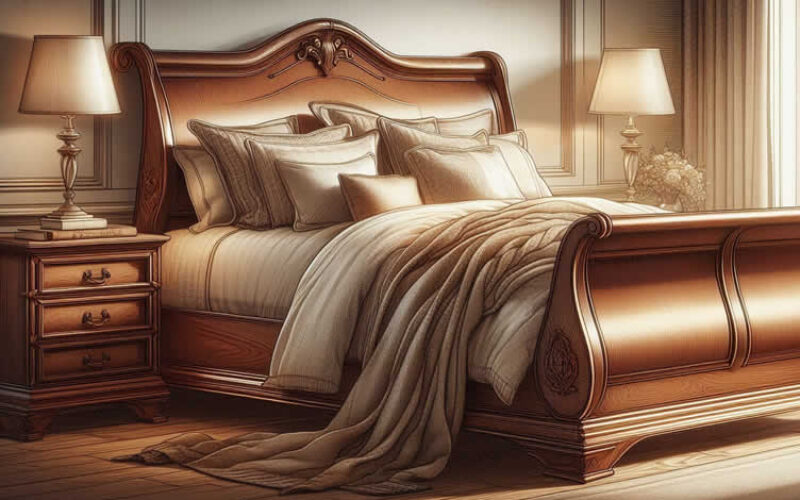
Weekend Bedroom Upgrades: Transform Your Space in Just Two Days
Six targeted weekend upgrades—new bedding, layered lighting, a well-placed rug, blackout curtains, a furniture reset, and a statement feature wall.
Master Clutter-Free Storage
Storage is where a cluttered bedroom is won or lost. Research on bedroom design consistently points to clutter reduction as a core factor in creating a comfortable, restful environment (Al-Qamadi et al., 2024), and the easiest way to reduce clutter is to build storage into spaces you’d otherwise waste.
Under-bed storage boxes make use of an area that typically collects dust rather than function, while floating shelves add vertical storage without eating into your floor plan.
Inside drawers, dividers and small organizers keep jewelry, accessories, and everyday items contained and easy to find. The goal isn’t to hide everything from view; it’s to give every item an intentional home, so the visible surfaces of your room stay clear.
Layer Your Lighting
A single overhead fixture rarely does a master bedroom justice. Layering ambient, task, and accent lighting gives you control over the mood of the room at any hour.
Bedside lamps handle reading and close-up tasks, an overhead fixture provides general illumination, and accent lighting—like a wall sconce or LED strip—adds warmth without visual noise.
Choose fixtures that complement your chosen style while keeping surfaces clear; wall-mounted sconces, for instance, free up nightstand space that a table lamp would otherwise occupy.
Adding a dimmer switch is a small investment that pays off nightly, letting you shift from bright and functional to soft and restful with one adjustment.
Curate Wall Decor Thoughtfully
It’s tempting to fill every inch of wall space, but restraint is what makes wall decor feel curated rather than cluttered.
Limit artwork to two or three statement pieces rather than an assortment of smaller frames, and hang them at a consistent height so the eye reads them as a single, cohesive element rather than scattered additions.
A large mirror is one of the most effective additions you can make to a master bedroom. Beyond its practical use, it reflects light around the room and creates an impression of added space, which is especially valuable in bedrooms with limited square footage.
Add Final Touches
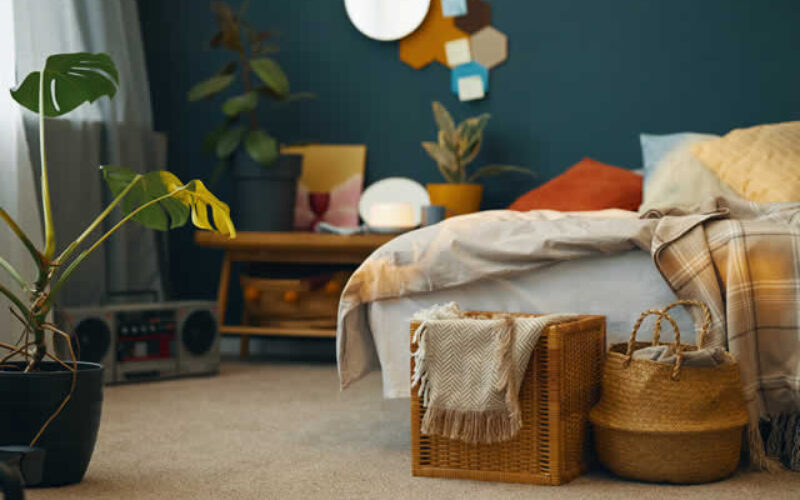
The last layer of a master bedroom is texture: a woven throw at the foot of the bed, a few well-chosen pillows, a soft area rug underfoot. These elements add warmth and personality, but they should be added with restraint.
A room with too many textural accents can start to feel busy again, undoing the calm you’ve worked to create.
The most important final step isn’t a purchase at all—it’s a habit. Set a recurring reminder to walk through your bedroom every few months and remove anything that no longer earns its place.
A study on adolescent bedrooms found that a high quantity of clutter was a meaningful predictor of stress and emotional exhaustion (Ferrari et al., 2025), which is a strong reminder that maintaining an editing mindset is just as important as the initial design.
Why Can’t I Sleep?
Creating the perfect sleep sanctuary goes beyond a comfy mattress—hidden culprits often interfere with restful nights.
Noise pollution, like traffic or background electronics, can keep your mind on edge, while an overly warm room prevents your body from cooling to its ideal sleep temperature.
Even small habits, like using screens late in the evening, can suppress melatonin production and delay sleepiness.
Identifying and minimizing these disturbances can lead to deeper, more rejuvenating rest.
view ideas: Understanding Good Sleep (new win)

Live In A Space You Love
A master bedroom that feels calm isn’t the result of owning less—it’s the result of deciding, deliberately, where everything belongs. Start with your space and style, build a color palette you can commit to, and let storage and furniture choices work together rather than against each other.
The bedroom you’re picturing is well within reach, one intentional decision at a time.
home improvement ideas to consider (complete directory – new win):
Frequently Asked Questions
-
How do I start decorating a master bedroom from scratch?
Begin by measuring your space and identifying your preferred aesthetic. These two steps guide every decision that follows, from your color palette to your furniture layout.
-
What colors work best for a master bedroom that feels calm and uncluttered?
Neutral bases like soft white, warm gray, or beige paired with one or two muted accent colors, such as sage green or lavender, create a cohesive and restful atmosphere.
-
How many pieces of furniture should a master bedroom have?
There’s no fixed number, but each piece should serve a clear function. A bed, one or two nightstands, and a dresser or wardrobe is typically enough for most master bedrooms.
-
What is the best way to maximize storage in a master bedroom?
Under-bed storage boxes and floating shelves make use of otherwise wasted space, while drawer dividers keep smaller items contained and easy to find.
-
How do I choose artwork for a master bedroom without it looking cluttered?
Limit yourself to two or three statement pieces hung at a consistent height, rather than filling every available wall with smaller frames.
-
What type of lighting is ideal for a master bedroom?
Layered lighting works best: an overhead fixture for general light, bedside lamps or sconces for reading, and accent lighting for ambiance, ideally paired with a dimmer switch.
-
How do I make a small master bedroom look bigger and less cluttered?
A large mirror reflects light and creates the impression of more space, while wall-mounted storage and light, neutral colors help the room feel open.
-
How often should I reassess my master bedroom decor?
A walkthrough every few months is enough to catch items that no longer belong, keeping the room feeling intentional rather than accumulated.
-
What are the most common mistakes people make when decorating a master bedroom?
The most common mistakes are overcrowding nightstands, hanging too much artwork, and adding storage as an afterthought instead of planning it into the room from the start.
| Section | Details | Key Recommendations |
|---|---|---|
| Introduction | A master bedroom stays calm when a limited color palette is used, furniture serves a clear purpose, and storage is intentionally designed. | Avoid clutter by making deliberate design choices and creating an organized space. |
| Assess Your Space and Style | Measure the room’s dimensions, consider natural light, and identify your design aesthetic to guide decisions. | Adapt furniture and color choices based on room size, light availability, and personal style. |
| Choose a Cohesive Color Palette | Stick to three main colors, starting with a neutral base and adding accent colors for calmness. | Test paints under different lighting to ensure shades remain cohesive and appealing. |
| Select Furniture With Purpose | Opt for multifunctional furniture, keep pathways clear, and avoid cluttered surfaces like nightstands. | Choose pieces that blend style and function, prioritizing storage and open spaces. |
| Master Clutter-Free Storage | Integrate storage solutions like under-bed boxes and floating shelves to minimize clutter. | Use dividers and organizers to give items specific homes and maintain an organized environment. |
| Layer Your Lighting | Combine ambient, task, and accent lighting to customize the room’s mood throughout the day. | Install dimmers and consider wall-mounted fixtures for space-saving functionality. |
| Curate Wall Decor Thoughtfully | Use a few large statement pieces instead of overcrowding walls with small frames. | Include a large mirror to reflect light and add a sense of spaciousness. |
| Add Final Touches | Introduce textures like rugs and throws while maintaining restraint to avoid visual noise. | Regularly remove unnecessary items to keep the room intentional and calm. |
| Live in a Space You Love | A calm bedroom is achieved through purposeful design, focusing on comfort and organization. | Make decisions based on storage, color, and furniture for an aesthetically pleasing and functional space. |

Find Interior Design Services Decorators Interior Designers Furniture Painting & Staining top-rated, pre-screened local contractors FREE: download contractor selection enter zip code – powered by HomeAdvisor ™


Image credit: master bedroom decorating ideas by envato.com
end of post … please share it!
| more photo remodeling |
Jump Over to Our Photo Analysis Center for Ideas on
"Renovating Home"
|__________________________________________________________|
home remodeling surprise
find out where it might go - new win


Helpful article? Leave us a quick comment below.
And please share this article within your social networks.