Material costs can represent forty to sixty percent of total project cost depending on the scope of work, which means that thoughtful purchasing decisions and strategic sourcing approaches can produce savings that have a meaningful impact on the overall project budget without requiring any compromise in the quality of the finished result.
Understanding where the most significant savings opportunities exist and how to access them reliably is one of the most practical and highest-return skills available to homeowners, builders, and developers managing construction projects of any scale.
- post content
- 1. Buy in Bulk Whenever Project Scope Justifies It
- 2. Compare Suppliers Before Committing to a Source
- 3. Source From Specialty Suppliers Who Cater to Your Project Type
- 4. Plan Purchases to Avoid Rush Orders and Premium Shipping
- 5. Evaluate Value-Engineered Alternatives Without Sacrificing Performance
- conclusion
- view notes:collective tips
- view analysis:The Importance of Sustainable Building Practices
- view ideas:latest remodeling analysis
1. Buy in Bulk Whenever Project Scope Justifies It
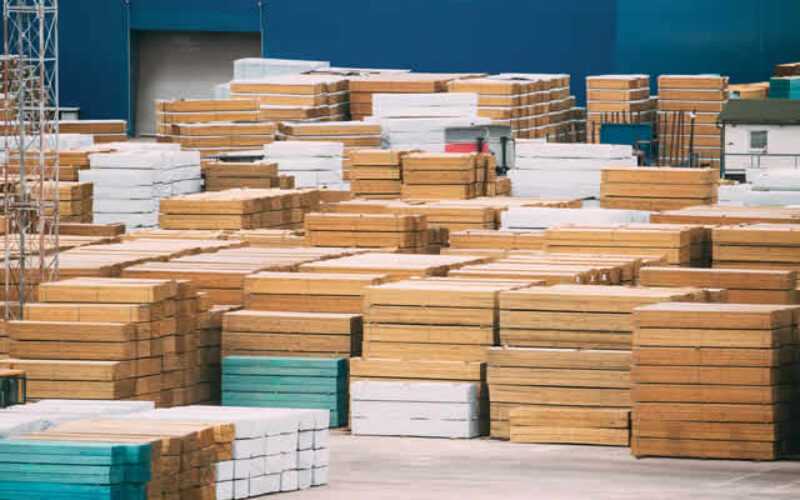
Building supply costs per unit almost always decrease as order volume increases, and organizing purchases to take advantage of bulk pricing wherever the project scope justifies it is one of the most straightforward ways to reduce total material costs significantly.
This principle applies across virtually every category of building supply, from lumber and drywall to flooring, hardware, and cabinets, and the savings achievable through bulk purchasing can be substantial enough to justify slightly larger initial orders that provide a buffer of material for waste, mistakes, and future repairs.
The key is accurately estimating the total quantity needed for the project before placing orders, since purchasing significantly more than the project requires eliminates the cost advantage of bulk pricing and creates storage and handling costs that offset any per-unit savings achieved.
Working with suppliers who offer volume pricing programs and who can provide accurate quantity takeoffs based on project plans gives buyers the information needed to make bulk purchasing decisions with confidence rather than guesswork.

2. Compare Suppliers Before Committing to a Source
The range of pricing for identical or comparable building materials across different suppliers can be surprisingly wide, and investing the time to compare multiple sources before committing to a purchase consistently produces savings that require no compromise in material quality or project outcome.
The comparison process should account for the full delivered cost of materials including freight, handling, and any minimum order requirements rather than comparing base prices that may not reflect the actual total cost of obtaining materials from each source.
Specialty suppliers who focus specifically on the categories of material being sourced often offer better pricing, better product knowledge, and better service than general building supply retailers whose strength lies in breadth rather than depth of any particular product category.
Online purchasing platforms have increased price transparency across many building supply categories and created opportunities to source materials at competitive prices from suppliers whose physical locations would not otherwise be accessible.
The time invested in supplier comparison on significant purchases is almost always repaid many times over in the form of concrete dollar savings on materials that may represent a substantial portion of the total project budget.
something of interest below

The Importance of Sustainable Building Practices
Sustainable building practices are key to creating environmentally friendly, energy-efficient, and cost-effective homes. Using these methods during a build or remodel reduces waste, lowers carbon emissions, and conserves resources.
3. Source From Specialty Suppliers Who Cater to Your Project Type
Specialty building supply companies that serve specific project types, including multifamily residential, commercial, or renovation-focused markets, often offer pricing structures and product selections that are significantly more advantageous for buyers in those markets than what general retailers provide.
These suppliers understand the specific requirements, preferences, and purchasing patterns of their target customer base and have optimized their inventory, pricing, and service model accordingly, resulting in a purchasing experience that is both more efficient and more economical for buyers whose needs align with the supplier’s focus.
Sourcing quality multifamily supplies through a dedicated supplier like Multi Housing Depot gives residential construction and renovation buyers access to a curated product selection, competitive pricing, and the kind of category-specific expertise that translates into both cost savings and better purchasing decisions across the full range of materials a project requires.
Specialty suppliers also tend to maintain better in-stock availability of the specific products most relevant to their target market, reducing the delay and disruption costs associated with back-ordered items at general retailers.
Building a relationship with a specialty supplier who understands your project type pays compounding dividends across multiple projects over time.
4. Plan Purchases to Avoid Rush Orders and Premium Shipping
Rush orders and expedited shipping are among the most reliably expensive ways to source building materials, and the premium costs associated with them are almost entirely avoidable through adequate project planning and purchasing discipline.
The root cause of most rush material purchases is inadequate lead time planning, either because material needs were not identified far enough in advance or because the project schedule was developed without accounting for the actual lead times of long-lead materials such as custom cabinets, specialty flooring, and certain windows and doors.
Developing a comprehensive material procurement schedule at the beginning of the project that identifies every item requiring advance ordering, its required on-site date, and its vendor lead time creates a purchasing calendar that allows standard shipping terms to be used for virtually every item.
Maintaining a small inventory buffer of commonly used materials that are likely to be needed across projects reduces the frequency of emergency purchases for these items.
The cost savings achieved through planned purchasing versus reactive purchasing on a significant project can be substantial, and the reduction in schedule disruption from unavailable materials adds an additional benefit that is harder to quantify but equally real.
5. Evaluate Value-Engineered Alternatives Without Sacrificing Performance
Many building supply categories offer product options across a wide range of price points, and the most expensive option is not always the one that delivers the best performance for a specific application.
Value engineering, the disciplined process of identifying where less expensive materials or products can be used without compromising the functional or aesthetic outcome of the project, can produce meaningful savings without any perceptible difference in the finished result.
The key is making these substitutions with a clear understanding of where performance differences between price tiers actually matter and where they do not, rather than applying either a blanket premium-or-nothing philosophy or an indiscriminate cost-cutting approach that sacrifices quality where it genuinely matters.
Areas where value-engineered choices often make sense without meaningful performance trade-offs include interior door hardware in low-use locations, secondary bathroom fixtures, subfloor materials in below-grade applications, and certain categories of trim and molding where the profile is simple and the visual prominence is limited.
Areas where investment in quality consistently pays off in performance and longevity include structural materials, kitchen and bath fixtures in high-use locations, exterior products exposed to weather, and any materials that are expensive or disruptive to replace after installation.
Understanding Renovation Needs
Before embarking on any renovation project, it’s essential to prioritize understanding and securing the necessary renovation permits.
These permits ensure your project complies with local building codes, which are in place to guarantee safety, structural integrity, and alignment with community standards.
Failing to adhere to these regulations can lead to costly fines, delays, or even the need to undo completed work.
Taking the time to research and follow the proper procedures will save you time and stress in the long run.
view ideas: Need of Building Permits and Codes (new win)

Conclusion
Saving money on home building supplies is a discipline that rewards planning, comparison, strategic sourcing, purchasing organization, and thoughtful value engineering applied consistently across every phase of a construction or renovation project.
The savings available through these approaches are genuine and significant, and they require no compromise in the quality of the finished result when applied with knowledge and care.
Buyers who invest in developing these purchasing disciplines consistently complete projects at lower material cost than those who approach supply purchasing reactively and without a strategic framework.
home improvement ideas to consider (complete directory – new win):


Find Home Construction Services Additions Home Construction Major Remodels Site Preparation top-rated, pre-screened local contractors FREE: download contractor selection enter zip code – powered by HomeAdvisor ™


Image credit: save money on home building supplies by envato.com
end of post … please share it!
| more photo remodeling |
Jump Over to Our Photo Analysis Center for Ideas on
"Renovating Home"
|__________________________________________________________|
home remodeling surprise
find out where it might go - new win


Helpful article? Leave us a quick comment below.
And please share this article within your social networks.