Quick answer:
A minor roof leak doesn’t always mean you need a full replacement. The right decision depends on your roof’s age, material, and the extent of the underlying damage.Most leaks under 10 years old on a well-maintained roof can be repaired cost-effectively—but older roofs or recurring leaks often signal it’s time to replace.
The good news is that most minor leaks are repairable. The challenge is knowing when a repair is a smart investment and when it’s simply delaying the inevitable.
This guide walks you through everything you need to make a confident, informed decision—so you protect both your home and your wallet.
- post content
- Immediate Action: Stop the Damage First
- Assessing the Damage: When Is a Repair Sufficient?
- Understanding the Factors: Age, Material, and Severity
- The Repair Option: What to Expect
- The Replacement Consideration: Signs It’s Time for a New Roof
- Cost Analysis: Repair vs. Replace
- Finding a Professional: Choosing the Right Roofing Contractor
- Long-Term Solutions: Preventing Future Leaks
- conclusion: Making an Informed Decision
- FAQs
- view table:content summary
- view notes:collective tips
- view ideas:latest remodeling analysis
Immediate Action: Stop the Damage First
Before you evaluate your long-term options, address the active leak. Place containers to catch dripping water and use plastic sheeting or a tarp to cover the affected area from the outside if safely accessible.
These steps won’t fix anything permanently, but they prevent water from spreading into your insulation, drywall, and structural framing—where the real cost escalation begins.
Document everything with photos. This matters for insurance claims and gives any roofing contractor a clearer picture of what they’re working with.

Assessing the Damage: When Is a Repair Sufficient?

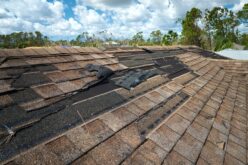
Not every leak signals disaster. A localized issue—such as a cracked flashing seal around a chimney, a few missing shingles, or a compromised boot around a pipe vent—is often straightforward to fix.
According to the National Roofing Contractors Association (NRCA, 2024), isolated repairs are appropriate when the damage is confined to a small area and the surrounding roofing materials remain structurally sound.
A qualified roofing contractor will inspect not just the visible damage but also the decking underneath. Soft spots, rot, or widespread moisture intrusion are red flags that point to something more serious than a surface-level repair.
Understanding the Factors: Age, Material, and Severity
Three variables shape every repair-or-replace decision more than any other: age, roofing material, and the severity of the damage.
- Age is the most telling factor. According to CertainTeed’s roofing lifespan data (2023), standard asphalt shingles last between 20 and 30 years. If your roof is approaching or beyond that range, even a successful repair may buy you only a few more years before another failure occurs nearby.
- Material matters because not all roofs age the same way. Metal roofing, clay tile, and slate can last 40 to 70 years with proper maintenance—making repairs a sound investment even on older structures. Asphalt shingles, on the other hand, tend to fail more broadly as they near end-of-life, meaning one leak often precedes others.
- Severity refers to how far the water has traveled. A pinpoint breach at a flashing joint is very different from widespread granule loss, sagging sections, or visible daylight through the attic. The more pervasive the damage, the stronger the case for replacement.
The Repair Option: What to Expect
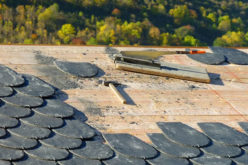
Roof repairs are typically fast, affordable, and minimally disruptive. A skilled contractor can address most localized leaks—damaged flashing, isolated shingle replacement, or resealing around vents—within a single day.
According to HomeAdvisor’s 2024 cost data, the average roof repair in the United States ranges from $379 to $1,755, depending on the scope of work and regional labor rates.
Repairs make the most sense when your roof is less than 15 years old, the damage is confined to a small area, and the rest of the roof is in good condition. Think of it as treating a single cavity rather than replacing all your teeth.
The Replacement Consideration: Signs It’s Time for a New Roof
There are situations where repair is the wrong call—not because it won’t work temporarily, but because the underlying structure can no longer support long-term performance.
Consider replacement when your roof is over 20 years old and showing widespread wear, when you’ve had multiple leaks in different locations within a short period, or when a contractor’s inspection reveals compromised decking beneath the shingles.
Additional warning signs include shingles that are curling, buckling, or losing significant granule coverage; moss or algae growth that has penetrated the material; and visible sagging along the roofline.
The NRCA (2024) recommends full replacement when more than 30% of the roof surface is damaged or deteriorated.
about replacing your roof

Transforming Your Home Exterior: A Comprehensive Guide to Roof Replacement
Roof replacement is not merely a routine maintenance task, but a crucial investment in the longevity and safety of your home.
Cost Analysis: Repair vs. Replace
Cost is rarely the only consideration, but it’s always a significant one. Minor repairs average a few hundred to a couple thousand dollars.
A full roof replacement, by contrast, typically ranges from $5,700 to $16,000 for an average-sized home, according to HomeAdvisor (2024)—with premium materials like metal or tile pushing that figure higher.
The calculation changes when you factor in the roof’s remaining lifespan. Spending $800 on a repair for a roof with 15 years of life left is a good investment.
Spending the same amount on a roof that will need full replacement within two years is money lost. A professional assessment gives you the data you need to run this math accurately.
Finding a Professional: Choosing the Right Roofing Contractor
Your repair-or-replace decision is only as good as the inspection behind it. Choose a licensed, insured contractor with verifiable local references and a solid track record with your specific roofing material. The NRCA’s contractor locator tool is a reliable starting point for finding credentialed professionals in your area.
Request at least two or three written estimates. Be cautious of contractors who pressure you toward full replacement without a thorough inspection, or who offer unusually low bids that seem too good to be true.
A trustworthy contractor will walk you through their findings clearly, show you documentation when possible, and give you honest guidance even when a repair—rather than a more profitable replacement—is the right answer for your situation.
Long-Term Solutions: Preventing Future Leaks
The best roof leak is the one that never happens. Annual inspections—ideally each spring and fall—catch minor issues before they escalate.
Clear your gutters regularly to prevent water backup, trim overhanging branches that can abrade shingles during wind events, and ensure your attic has proper ventilation to reduce heat and moisture buildup that accelerates shingle degradation from the inside out.
If your roof is approaching the end of its warranty or lifespan, ask your contractor about proactive maintenance programs or partial re-roofing options that can extend your timeline without committing to a full replacement immediately.
In Rainy Regions
Roofs in rainy regions must be in their best condition to withstand prolonged exposure to moisture and prevent leaks.
Regular inspections and proper maintenance, such as clearing gutters and ensuring shingles are secure, are crucial.
Additionally, heavy rainfall can lead to drainage issues, turning your yard into a soggy, unusable space.
To avoid this, consider implementing a robust drainage system, like French drains or rain gardens, to redirect water effectively and protect your home’s foundation from damage.
view ideas: home drainage system (new win)

Making an Informed Decision
A minor roof leak deserves a measured response—not panic, and not avoidance. Most leaks, caught early, are repairable at a fraction of the cost of replacement. But age, material condition, and the scope of underlying damage all determine whether a repair is a fix or simply a delay.
Start by having a qualified roofing contractor perform a full inspection. Armed with that professional assessment and the framework in this guide, you’ll have everything you need to make a decision that protects your home, your budget, and your peaof mind for years to come.
Frequently Asked Questions
-
How do I know if a roof leak is serious?
A leak is considered serious when water has reached the decking, insulation, or structural framing—or when multiple leaks appear in different locations. A single, localized leak is usually minor, but always have a professional assess the underlying damage before making any decisions.
-
Can a small leak cause structural damage to a house?
Yes, even a minor drip can cause significant structural rot if left ignored. Constant moisture exposure weakens wooden decking and rafters, while also creating the perfect environment for harmful mold growth inside your attic and walls.
-
How long does a typical roof repair take to complete?
Most minor localized repairs can be completed by a professional in a single afternoon. The exact timeline depends on the specific cause of the leak, weather conditions, and the availability of matching materials.
-
How long does a roof repair last?
A well-executed repair on a structurally sound roof can last 5 to 10 years or longer. The lifespan depends on the quality of materials used, the skill of the contractor, and the overall condition of the surrounding roofing system.
-
Will homeowners insurance cover a roof leak repair?
Homeowners insurance typically covers roof leaks caused by sudden, accidental events—such as storm damage or fallen debris. Leaks resulting from deferred maintenance or general wear and tear are usually excluded. Review your policy and document all damage thoroughly before filing a claim.
-
What is the average cost of a full roof replacement?
According to HomeAdvisor (2024), a full roof replacement for an average-sized home in the United States typically costs between $5,700 and $16,000. The final cost varies based on roof size, pitch, material selection, and local labor rates.
-
How often should I have my roof professionally inspected?
The NRCA (2024) recommends scheduling a professional roof inspection at least once a year, with an additional inspection after any major storm event. Proactive inspections catch minor issues early and significantly extend the life of your roof.
-
Can I repair a roof leak myself?
Minor repairs—such as replacing a single damaged shingle or resealing a flashing joint—are achievable for experienced DIYers. However, most roof work carries significant fall risks, and improper repairs can void warranties or worsen the damage. For anything beyond cosmetic surface work, professional repair is strongly recommended.
-
What is the best season to schedule a roof replacement?
Late spring, summer, and early autumn are generally the best times for a replacement project. Warm, dry weather helps the new shingles seal properly to the decking, while avoiding the delays and safety hazards associated with winter ice and snow.
-
Will a new roof lower my monthly energy bills?
A modern roofing system can significantly improve your home’s energy efficiency. High-quality materials combined with proper attic ventilation help regulate indoor temperatures, reducing the strain on your heating and cooling systems throughout the year.
other related analysis of interest: (new win)
A Comprehensive Guide to Bathroom Mirror Types
Adding a New Driveway? Pick The Right Material For Your Home
| Topic | Description | Key Considerations |
|---|---|---|
| Roof Leak Dilemma | A minor roof leak doesn’t automatically mean a full replacement is necessary. Factors such as the roof’s age, material, and extent of the damage play a critical role in determining the best course of action. Immediate steps like covering the leak and documenting damage are essential to prevent further issues. | Age, material type, and severity of damage are primary considerations. |
| Immediate Action | Active leaks must be addressed promptly by placing containers to catch water, covering the affected area, and documenting the damage through photos. These actions mitigate further harm to insulation, drywall, and structural framing. | Preventing water spread and documenting damage for professionals or insurance. |
| Assessing the Damage | Localized leaks, such as cracked flashing or missing shingles, can often be resolved with minor repairs if the surrounding materials are structurally sound. A contractor should inspect for any underlying issues like rot or widespread moisture. | Localized damage can be repaired; underlying problems may require further action. |
| Understanding the Factors | Three critical factors affect the repair-or-replace decision—roof age, material type, and damage severity. Older roofs nearing the end of their lifespan often require replacement, while certain durable materials like metal or slate may justify repairs even on older structures. | Roof lifespan varies by material; severe or widespread damage leans toward replacement. |
| Roof Repairs | Roof repairs are cost-effective and fast, with most localized issues resolved the same day. Repairs are suitable for newer roofs with minimal damage and costs range from $379 to $1,755 depending on the extent of work. | Less than 15 years of lifespan and localized damage make repairs a viable option. |
| Roof Replacement | Replacement is necessary when a roof shows extensive wear, has multiple leaks, or exceeds its recommended lifespan. Signs like curling shingles, visible sagging, and compromised decking indicate the need for a replacement. | Essential for aging roofs or those with widespread or structural damage. |
| Cost Analysis | Minor repairs range in cost from a few hundred dollars to a couple thousand, while full replacements average $5,700 to $16,000 depending on material and size. The decision should factor in the remaining lifespan and overall condition of the roof. | A professional evaluation is critical to determine cost-effectiveness of repair or replacement. |
| Choosing a Contractor | Select licensed, insured contractors with verified references. Multiple written estimates should be obtained, and contractors should provide clear, honest guidance after thorough inspections. | Avoid pressure sales tactics or extremely low bids; ensure transparency in findings. |
| Preventing Future Leaks | Regular inspections, gutter maintenance, trimming overhanging branches, and proper attic ventilation are essential steps to prolong roof lifespan and minimize leaks. Proactive maintenance can delay the need for full replacement. | Annual upkeep and proactive strategies prevent costly repairs. |

Find Roofing Services Roofing Gutter Systems Chimney Pest Control top-rated, pre-screened local contractors FREE: download contractor selection enter zip code – powered by HomeAdvisor ™


Image credit: roof leak by envato.com
end of post … please share it!
| more photo remodeling |
Jump Over to Our Photo Analysis Center for Ideas on
"Renovating Home"
|__________________________________________________________|
home remodeling surprise
find out where it might go - new win


Helpful article? Leave us a quick comment below.
And please share this article within your social networks.