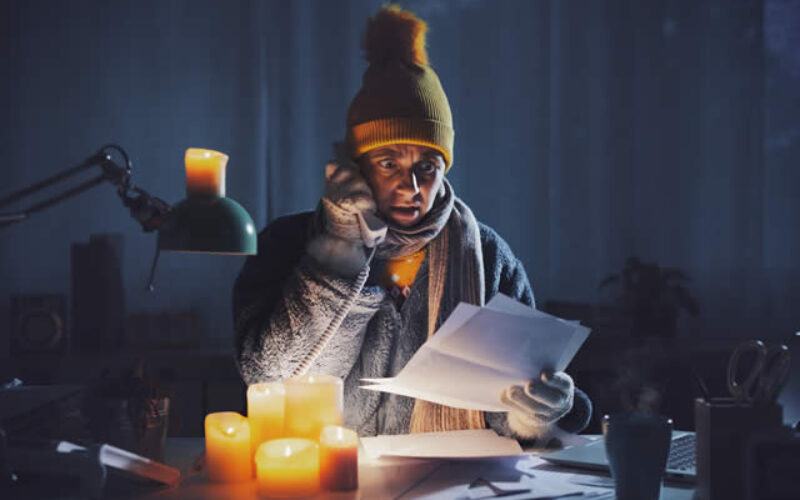
Power outages during winter storms are becoming an increasingly common challenge for homeowners, bringing with them a host of worries beyond just staying warm. One of the most immediate concerns is the safety of the fresh and frozen food stored in your kitchen.
We understand how disheartening it feels to worry about the cost and waste of throwing away a kitchen full of groceries. The good news is that with a little bit of knowledge and some proactive preparation, you can significantly extend the life of your food even when the electricity fails.
By understanding the science of food safety and following a few simple steps, you can navigate a winter power outage with confidence, keeping your family safe and your pantry supplies intact.
- post content
- Understanding The Basics Of Food Safety During Outages
- Preparing Your Kitchen Before The Storm Hits
- Immediate Steps To Take When The Power Fails
- Preserving Perishable Food In The Refrigerator
- Strategies For Long-Term Freezer Preservation
- Determining Food Safety Once Power Is Restored
- Discarding Unsafe Food Properly
- Utilizing Community And Government Resources
- conclusion
- view table:content summary
- view notes:collective tips
- view ideas:latest remodeling analysis
- view post (new win):The Rise of “Stay-Put Renovations”
Understanding The Basics Of Food Safety During Outages
The key to preserving your food lies in understanding the temperature ranges where bacteria thrive. Food safety experts often refer to the temperature range between 40 degrees Fahrenheit and 140 degrees Fahrenheit as the danger zone.
When perishable foods sit in this temperature range, harmful bacteria can multiply rapidly, rendering the food unsafe to eat. This is why your refrigerator is designed to stay below 40 degrees and your freezer at or below zero degrees.
During a power outage, your primary goal is to keep your food below that 40-degree threshold for as long as possible. It is important to remember that the appearance or smell of food is not always a reliable indicator of safety.
Some bacteria that cause foodborne illness do not change the taste, smell, or texture of the food. Therefore, maintaining and monitoring the correct temperature is the only way to ensure your food is truly safe for consumption.

Preparing Your Kitchen Before The Storm Hits
Preparation is the best defense against food loss. When you see a winter storm advisory in the forecast, take a moment to verify the temperature of your appliances.
We recommend keeping appliance thermometers in both the refrigerator and the freezer at all times. These inexpensive tools are invaluable during an outage because they tell you the exact internal temperature of the appliance, eliminating the need to guess whether the food is still safe.
Another helpful preparatory step is to freeze containers of water. Plastic jugs or food storage containers filled with water and frozen ahead of time serve a dual purpose.
First, they act as large blocks of ice that will help keep the ambient temperature of your freezer and fridge lower for a longer period. Second, as they melt, they can serve as a source of fresh drinking water if your supply is interrupted.
It is also wise to check your supply of coolers and gel ice packs to ensure you are ready if you need to transfer food for longer-term storage.
what to have for any power outage

Home Power Outage Preparedness: Key Supplies You’ll Need
Power outages can strike unexpectedly, leaving households without electricity for hours or even days. Being prepared for such situations can make all the difference in ensuring safety, comfort, and minimizing disruptions.

Immediate Steps To Take When The Power Fails
When the power goes out, your instinct might be to open the refrigerator to check on your supplies or grab a snack. However, the most effective action you can take immediately is to keep the refrigerator and freezer doors closed as much as possible.
Every time you open the door, cold air escapes and warm air rushes in, drastically reducing the time your food will remain safe.
A tailored approach to door management can save your groceries. An unopened refrigerator will keep food cold for about four hours. A full freezer will hold its temperature for approximately 48 hours if the door remains closed, while a half-full freezer will last for about 24 hours.
Knowing these timeframes allows you to plan your meals without constantly checking the appliance. If you know the outage might last a while, try to take out all the non-perishable or immediate-use items you might need in one go to minimize door openings.
Preserving Perishable Food In The Refrigerator
Since the refrigerator has a much shorter safe window than the freezer, you need to prioritize the perishable items stored there. Meat, poultry, fish, eggs, and soft cheeses are the most susceptible to spoilage. If you anticipate the power being out for more than four hours, it is safer to transfer these items to a cooler filled with ice.
You can extend the cooling life of your refrigerator by grouping foods together. Just like penguins huddling for warmth, cold items placed close together help maintain a low temperature for one another.
If you have those frozen jugs of water prepared, move some of them from the freezer to the refrigerator to act as a supplemental cooling source. However, be careful not to cross-contaminate raw meats with ready-to-eat foods as you rearrange items.
Strategies For Long-Term Freezer Preservation
Your freezer acts as a well-insulated ice box and is your best asset during a prolonged outage. If your freezer is not full, you can quickly group items together to create a solid block of ice, which retains cold much more effectively than scattered items.
Fill empty spaces with water bottles or even crumpled newspaper to reduce air circulation, which warms up faster than solids.
For extended outages, you might consider using dry ice if you can obtain it safely. Dry ice is essentially frozen carbon dioxide and is much colder than regular ice.
A fifty-pound block of dry ice can keep a fully loaded 18-cubic-foot freezer safe for two days. When handling dry ice, always use heavy gloves or tongs because direct contact can cause severe frostbite, and ensure the room is ventilated as the carbon dioxide gas can be hazardous in enclosed spaces.
Determining Food Safety Once Power Is Restored
The moment the power comes back on is often accompanied by a sigh of relief, but you must verify the safety of your food before cooking a celebration meal. Check the appliance thermometers immediately. If the freezer thermometer reads 40 degrees Fahrenheit or below, the food is safe to be refrozen or cooked.
If you do not have a thermometer, check each package individually. If the food still contains ice crystals or feels as cold as if it were refrigerated, it is generally safe to refreeze or cook.
Refrigerated food requires a stricter assessment. Any perishable food such as meat, poultry, seafood, milk, or eggs that has been above 40 degrees Fahrenheit for two hours or more should be discarded.
It is painful to throw away food, but the health risks associated with consuming spoiled items are far more costly than replacing the groceries.
smart refrigerators can help with food management

Reviewing Smart Refrigerators: The Ultimate Kitchen Upgrade
Smart refrigerators are redefining kitchen convenience and food management. These high-tech refrigerators are not merely for storing food but are equipped with advanced features like touch screens, internet connectivity, and internal cameras.
Discarding Unsafe Food Properly
If you determine that food has spoiled, proper disposal is necessary to prevent pests or accidental consumption by pets or wildlife. Wrap spoiled meat or fish securely in plastic bags before placing them in your outdoor garbage bin.
If the food has liquefied or leaked, be sure to clean the interior of your refrigerator or freezer thoroughly with hot, soapy water and sanitize the shelves to eliminate any lingering bacteria or odors.
Never taste food to determine its safety. As mentioned earlier, appearance and odor do not always reveal the presence of harmful bacteria.
Stick to the golden rule of food safety management during power outages: When in doubt, throw it out. It is a mantra that prioritizes the health and well-being of your household above all else.
Utilizing Community And Government Resources
You do not have to navigate these situations alone. There are numerous resources available to help you make informed decisions. The United States Department of Agriculture (USDA) and the Food and Drug Administration (FDA) provide comprehensive charts detailing exactly which foods can be saved and which must be discarded after an outage.
We recommend printing these charts and keeping them in your emergency kit so you can reference them even if you do not have internet access.
Additionally, local emergency management agencies often provide updates on estimated restoration times and locations of cooling centers or ice distribution points.
Signing up for local alert systems can give you a head start on preparing for the storm and planning your food preservation strategy accordingly. Being connected to these information sources helps you feel more in control during chaotic weather events.
Prioritizing Preparedness For Peace Of Mind
Dealing with a winter storm power outage is never convenient, but being prepared can turn a potential disaster into a manageable inconvenience. By taking the time to understand food safety principles and preparing your kitchen ahead of time, you protect your family from foodborne illness and minimize financial loss.
We hope these tips empower you to face the next winter storm with confidence, knowing you have the tools and knowledge to keep your home running smoothly, no matter the weather.
other related analysis of interest: (new win)
| Section | Details | Advice | Additional Information |
|---|---|---|---|
| Understanding the Basics of Food Safety | Food safety revolves around maintaining temperatures below 40°F to prevent bacterial growth in perishable items. | Use appliance thermometers to monitor temperature and avoid relying on appearance or smell to judge food safety. | Bacteria thrive between 40°F and 140°F, referred to as the “danger zone.” |
| Preparing Before the Storm | Freeze containers of water ahead of time and keep thermometers in refrigerators and freezers. | Ensure you have coolers and gel ice packs ready for emergency food transfers. | Frozen water jugs serve as ice blocks and an emergency source of drinking water. |
| Immediate Steps During an Outage | Keep refrigerator and freezer doors closed as much as possible. | Plan meals to minimize door openings. Unopened refrigerators can keep food cold for 4 hours, while freezers last up to 48 hours. | Group items closely to maintain lower temperatures. |
| Preserving Perishables | Transfer vulnerable items like meat and soft cheeses to a cooler with ice if the outage exceeds 4 hours. | Group perishable and frozen items together to maintain a consistent temperature. | Ensure raw meats are kept separate from ready-to-eat foods to prevent cross-contamination. |
| Long-Term Freezer Preservation | Use dry ice to extend the life of frozen goods during prolonged outages. | Fill empty freezer spaces with water bottles or crumpled newspaper to maintain insulation. | Handle dry ice carefully and ensure ventilation to avoid hazards from carbon dioxide gas. |
| Post-Outage Food Assessment | Check appliance thermometers and assess food safety based on temperature. | Discard refrigerated foods exceeding 40°F for more than 2 hours. When in doubt, throw it out. | Do not taste food to determine its safety as some harmful bacteria do not affect smell or appearance. |
| Community and Government Resources | Leverage USDA and FDA charts for guidance and stay informed through local alerts and resources. | Use printed resources and connect with local ice distribution points or cooling centers as needed. | Government charts detail which foods to save or discard post-outage. |

Find Electrical Services Electricians Lighting Design Fans Generators Electronics Home Security top-rated, pre-screened local contractors FREE: download contractor selection enter zip code – powered by HomeAdvisor ™


Image credit: power outage food safety by envato.com
end of post … please share it!
| more photo remodeling |
Jump Over to Our Photo Analysis Center for Ideas on
"Renovating Home"
|__________________________________________________________|
home remodeling surprise
find out where it might go - new win


Helpful article? Leave us a quick comment below.
And please share this article within your social networks.
.breaking-news {display: none !important;}