We understand the appeal of the "Do It Yourself" movement completely. It empowers homeowners, saves money, and allows you to put a personal stamp on your sanctuary.
However, enthusiasm can sometimes outpace expertise. While we always encourage learning new skills, it is vital to recognize that our homes are complex systems involving electricity, gas, water, and structural loads.
Misjudging the difficulty of a project does not just risk a botched job or wasted materials; it can jeopardize the safety of your family and the integrity of your home. Knowing where to draw the line between a weekend project and a professional necessity is the most important skill a homeowner can possess.
We want to guide you through the specific projects where the risks far outweigh the rewards so you can make safe, informed decisions for your household.
- post content
- The Hidden Risks Of Electrical Repairs
- Why Plumbing Repairs Require A Pro
- The Dangers Of Structural Modifications
- Tree Removal Is Unpredictable
- Asbestos Removal And Long-Term Health
- The Volatility Of Gas Line Repairs
- The Risks Of Working At Heights
- Mold Remediation And Spreading Spores
- conclusion
- view table:content summary
- view notes:collective tips
- view ideas:latest remodeling analysis
- view post (new win):DIY Plumbing Issues
The Hidden Risks Of Electrical Repairs
Electricity is a modern miracle that powers our lives, but it is also an invisible and unforgiving force. Many homeowners feel comfortable changing a light switch or swapping out a ceiling fan, and these are often safe entry-level tasks.
The danger arises when enthusiasm leads to tackling complex wiring issues, panel upgrades, or adding new circuits without the proper training.
According to data from fire safety organizations, electrical failures or malfunctions are a leading cause of home fires. The risk here is twofold: immediate injury and long-term hazard. Working on live wires can result in severe electrocution or burns.
Even if you complete the job without injury, faulty wiring can remain dormant behind your walls for months or years before sparking a fire.
A licensed electrician understands code requirements, load calculations, and grounding techniques that ensure your home remains safe long after the work is finished. If your project involves anything behind the drywall or inside the breaker panel, it is time to call a professional.

Why Plumbing Repairs Require A Pro
Water damage is one of the most destructive forces a home can endure. While fixing a running toilet or unclogging a P-trap are excellent skills to have, major plumbing work requires a nuanced understanding of pressure systems and drainage venting.
The primary risk with DIY plumbing is not just the immediate leak you might cause, but the slow, hidden leaks that can rot floorboards and breed mold over time.
Plumbing emergencies, such as burst pipes or sewer line backups, are particularly hazardous. Sewage backups introduce harmful bacteria and pathogens into your living environment, requiring specialized equipment to clean safely.
Furthermore, incorrectly sweating copper pipes or failing to properly seal PVC connections can lead to catastrophic flooding hours or days after you think the job is done. Professional plumbers carry the insurance and warranties that protect you if something goes wrong, providing peace of mind that a DIY fix simply cannot match.
other DIY projects you want to avoid
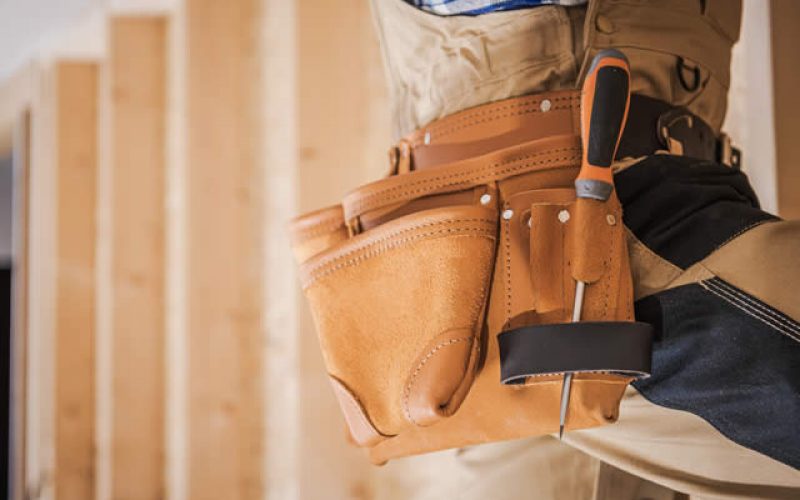
DIY Home Projects You Want to Avoid
Whether it’s due to complexity or the dangers involved, some home renovation projects need to be handled by a professional. Otherwise, you risk not only getting a poor finished product but also your own safety in the process.
The Dangers Of Structural Modifications
The trend toward open-concept living has inspired many homeowners to pick up a sledgehammer and start swinging. Removing a wall to create a breezy flow between the kitchen and dining room seems straightforward on television, but in reality, it is a game of architectural Jenga.
Distinguishing between a partition wall and a load-bearing wall is difficult for the untrained eye, and removing the wrong one can compromise the structural integrity of your entire house.
Structural modifications can lead to sagging ceilings, cracking drywall, sticking doors, or in extreme cases, a localized collapse. Even if a wall is not load-bearing, it may hide vital infrastructure like electrical wires, gas pipes, or HVAC ducts.
A structural engineer or a seasoned contractor can assess how the weight of your roof and upper floors is distributed. They ensure that if a support is removed, a proper beam is installed to carry the load. Preserving the bones of your home is worth the investment in professional expertise.
Tree Removal Is Unpredictable
We all love the greenery that surrounds our homes, but when a tree becomes damaged or grows too close to the structure, it often needs to come down.
While pruning low-hanging branches is a manageable weekend task, removing substantial limbs or felling a whole tree is incredibly dangerous. Trees are heavy, and their center of gravity is often difficult to predict.
Unexpected rot within the trunk can cause a tree to fall in an unintended direction, potentially crushing a roof, a car, or a bystander. Furthermore, the equipment used—chainsaws, ropes, and ladders—requires specific handling techniques to avoid kickback and falls.
If a tree is near power lines, the risk of electrocution is added to the mix. Certified arborists have the training to dismantle a tree piece by piece safely, lowering sections to the ground with control rather than letting gravity decide where they land.
Asbestos Removal And Long-Term Health
For those living in older homes, specifically those built before the 1980s, asbestos is a silent concern. This material was once ubiquitous in flooring, insulation, and textured ceilings due to its fire-resistant properties.
We now know that when asbestos fibers become airborne and are inhaled, they can cause serious, long-term health issues, including lung cancer and mesothelioma.
The danger lies in the disturbance. Asbestos that is left alone and intact generally poses little risk. However, tearing up old vinyl flooring or scraping off popcorn ceilings can release microscopic fibers into the air you breathe.
DIY removal methods are rarely sufficient to contain these particles. Professional asbestos abatement teams use containment zones, negative air pressure machines, and specialized protective gear to remove the materials without contaminating the rest of your home. It is strictly a job for certified experts.
an interesting viewpoint

Combating Indoor Air Pollution for Better Home Improvement
We tend to associate air pollution primarily with exhaust fumes or industrial emissions, but the truth is, that the air inside our homes can be just as tainted, if not more so.
The Volatility Of Gas Line Repairs
Natural gas is an efficient and clean-burning fuel, but it leaves absolutely zero margin for error. If you are installing a new gas stove, dryer, or water heater, the temptation to hook up the line yourself might be strong. However, a gas leak is one of the most immediate and catastrophic dangers a homeowner can face.
Unlike water, which makes a mess, leaking gas can fill a room and lead to an explosion with the slightest spark. Furthermore, improper venting of gas appliances can cause carbon monoxide to build up in your home.
This odorless, colorless gas can be fatal if undetected.
Licensed gas technicians have the tools to pressure test lines and detect minute leaks that you might miss with a soap-and-water test. When it comes to the safety of the air you breathe, professional verification is non-negotiable.
The Risks Of Working At Heights
Cleaning gutters or replacing a few shingles might seem like a chore rather than a hazard, but falls are the leading cause of unintentional injury in home maintenance.
Working on a roof combines height with often uneven or sloped surfaces, and adding tools or materials to the equation throws off your balance.
Ladder safety is often overlooked. Placing a ladder on uneven ground or overreaching to get that last spot can lead to tragic falls.
Professional roofers and gutter cleaners utilize harnesses, scaffolding, and securing systems that keep them safe while they work. They are also accustomed to navigating the pitch of a roof in various weather conditions.
If a project requires you to be more than a few feet off the ground, consider hiring someone who has the safety gear to ensure they come back down safely.
Mold Remediation And Spreading Spores


Discovering mold in your home can be distressing. It looks unsightly and can cause respiratory issues and allergic reactions for your family.
While scrubbing a small patch of mildew in the shower is a standard cleaning task, tackling large-scale mold infestations in drywall, insulation, or basements is a different matter.
Improperly disturbing a large colony of mold releases millions of spores into the air, which can then travel through your HVAC system and settle in other parts of your home, effectively making the problem worse.
Professional remediation involves not just cleaning the visible mold but identifying and fixing the moisture source that caused it. They use HEPA filtration and containment strategies to ensure the mold is actually gone, not just moved around.
Knowing When To Call For Help
We hope this guide helps you navigate the complex world of home maintenance with confidence and caution. There is no shame in admitting a project is beyond your current skill set; in fact, it is a sign of a wise and responsible homeowner. Your home is your haven, and protecting it—and the people inside it—is always the priority.
If you are unsure about the scope or safety of a project, we encourage you to consult with qualified professionals. A quick consultation can save you money, stress, and injury in the long run. Keep nurturing your home, keep learning, but always put safety first.
other related analysis of interest: (new win)
| Project Type | Risks | Why Hire Professionals |
|---|---|---|
| Electrical Repairs | Severe electrocution, burns, faulty wiring causing fires | Professionals ensure code compliance, proper load calculations, and grounding techniques for long-term safety |
| Plumbing Repairs | Hidden leaks causing water damage, mold growth, burst pipes, and sewage contamination | Experts have nuanced knowledge of pressure systems, venting, and provide warranties for their work |
| Structural Modifications | Compromised structural integrity, sagging ceilings, or localized collapse | Structural engineers assess load distribution and ensure safe modifications with proper beams and supports |
| Tree Removal | Incorrect cuts leading to falling trees or branches that may damage property or harm individuals | Certified arborists use specific techniques and safety measures to dismantle trees safely |
| Asbestos Removal | Airborne asbestos fibers causing serious health issues like lung cancer and mesothelioma | Professionals use containment zones and specialized equipment to safely remove asbestos without contamination |
| Gas Line Repairs | Gas leaks leading to explosions or carbon monoxide buildup | Licensed technicians perform pressure testing and ensure proper venting to prevent hazards |
| Working at Heights | Falls causing severe injuries, unstable ladder placements | Professionals utilize safety systems, harnesses, and are experienced in working on sloped or uneven surfaces |
| Mold Remediation | Spreading of spores worsening the problem, respiratory issues for the household | Experts use HEPA filtration, containment strategies, and address the moisture source to eliminate mold |

Find Contracting Services Plumbing Issues Electricians Painting & Staining Interior Designers Landscape Design Major Remodels top-rated, pre-screened local contractors FREE: download contractor selection enter zip code – powered by HomeAdvisor ™


Image credit: DIY disasters by envato.com
end of post … please share it!
| more photo remodeling |
Jump Over to Our Photo Analysis Center for Ideas on
"Renovating Home"
|__________________________________________________________|
home remodeling surprise
find out where it might go - new win


Helpful article? Leave us a quick comment below.
And please share this article within your social networks.