
When you think about protecting your home, things like a solid roof or secure windows probably come to mind. But what about the ground your house sits on? Property grading, the process of shaping the land to direct water away from your home’s foundation, is one of the most critical aspects of homeownership. When done incorrectly, it can lead to a cascade of expensive and frustrating issues. Discover major problems that arise with an improperly graded property.
1. Water Pooling Near Your Foundation
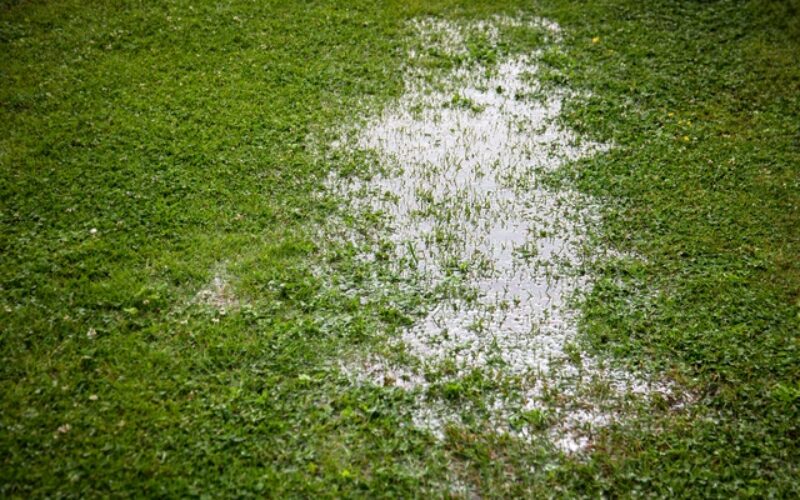
The most immediate sign of poor grading is standing water around your home after it rains. Proper grading creates a gentle slope that guides rainwater and melting snow away from the foundation. If the land is flat or, worse, slopes toward your house, water has nowhere to go. It will collect in low spots, creating unsightly puddles that can drown your grass and turn your yard into a muddy mess. This issue is one of the most common lawn drainage problems homeowners face.
2. Serious Foundation Damage
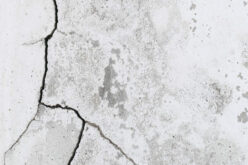
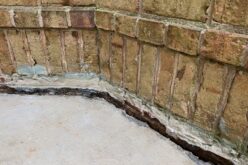
That pooling water doesn’t just sit there; it actively works against your home. The soil around your foundation becomes saturated, exerting immense hydrostatic pressure on the concrete walls. Over time, this constant pressure can cause cracks, bowing, and leaks in your foundation and basement walls. Repairing this kind of structural damage is not only complex but can also cost tens of thousands of dollars, making it one of the most severe consequences of improper grading.
3. Uncontrolled Soil Erosion
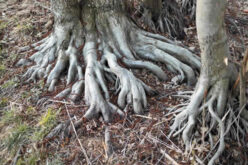
Water that doesn’t drain correctly will take the path of least resistance, often carrying your topsoil with it. Improper grading can create channels where water flows rapidly, washing away valuable soil and nutrients from your lawn and garden beds. This erosion can expose tree roots, create dangerous gullies in your yard, and deposit sediment onto your driveway or sidewalk, leaving you with a constant cleanup job and a less stable landscape.
4. Unwanted Pest Infestations
Standing water is a breeding ground for pests. Mosquitoes, for instance, can lay thousands of eggs in a small amount of stagnant water. A poorly graded yard provides them with the perfect habitat. Furthermore, excess moisture seeping into your foundation can attract pests such as termites, carpenter ants, and cockroaches, which thrive in damp environments. These infestations can pose health hazards and further damage your home’s structure.
5. Persistent Landscape Issues
A poorly graded yard makes it nearly impossible to maintain a healthy, attractive landscape. Waterlogged soil can suffocate the roots of your grass, plants, and trees, leading to yellowing leaves, root rot, and eventually, death. You might find that certain areas of your yard are always soggy, while others are stripped of topsoil and struggle to support any growth at all. This struggle creates a patchy, unhealthy-looking lawn that no amount of fertilizer or care can seem to fix.
Properly grading your property is a fundamental step in protecting your home’s value and structural integrity. If you’re noticing any of these signs, it’s wise to address them before they escalate. Contact a professional to assess your property’s slope and design a solution that will keep your home safe, dry, and beautiful for years to come.
Image Credentials: STOATPHOTO, # 1597533291
|__________________________________________________________|
home remodeling surprise
find out where it might go - new win


Helpful article? Leave us a quick comment below.
And please share this article within your social networks.