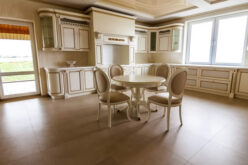
Inspiration from a home improvement magazine can help you see how memories influence design choices. By designing a new home that feels familiar, you invite calm, confidence, and belonging back into your daily routine.
Every corner can hold meaning when you plan with heart and purpose.
- post content
- Recognize What “Familiar” Means to You
- Translate Memory into Design Choices
- Create Flow Through Organization
- Sensory Continuity: Smells, Sounds, and Textures
- Quick Transitions for Daily Comfort
- Designing for Feelings, Not Just Function
- Use Nature as a Bridge Between Old and New
- Build the Emotional Blueprint Early On
- view notes:collective tips
- view ideas:latest remodeling analysis
Before Designing a New Home That Feels Familiar, Recognize What “Familiar” Means to You
Before any decoration or furniture placement, take a moment to reflect. What made your previous home feel safe or welcoming? Every person defines familiarity differently, and clarity here sets the tone for success.

For some, it’s the smell of morning coffee in the same type of mug. For others, it’s the light that falls across a favorite chair.
These subtle cues shape emotional comfort far more than furniture trends or wall colors.
To understand what matters most, ask yourself a few key questions:
- Which rooms in my old home brought me peace or joy?
- What daily rituals gave me a sense of stability?
- Which colors, sounds, or scents reminded me of comfort?
Once you have those answers, note them down. This reflection helps you tangibly rebuild emotional structure. Instead of copying your old setup, you create a foundation based on memory and meaning.

Translate Memory into Design Choices
Every design decision should echo something that resonates. Try to translate emotional memories into visible details. A favorite family photo, a specific shade of blue, or a wooden surface can recreate the same sense of connection.
At times, nostalgia can guide you toward small yet powerful choices. For example, if your previous kitchen window faced the sunrise, place your breakfast nook near a bright spot. If soft textiles made your living room inviting, choose similar textures to repeat that sense of ease.
Keep in mind that designing a new home that feels familiar does not mean freezing your style in time. It means blending the emotional strength of the past with the optimism of the present. Each selection—from light fixtures to cushions—can tie emotion to function when chosen with awareness.
Create Flow Through Organization
The layout of a home affects emotion, but true balance begins with order. Mess and clutter interrupt energy flow and make even beautiful spaces feel tense. A room full of obstacles or piles of items can drain focus and block calm. When you walk into a clear, open space, your mind settles before you even realize it.
Now is the ideal moment to reset old habits. Even if your previous home often felt messy, a new start gives you a clean slate. Use it to redefine how you live and move through each room. Begin with simple systems—dedicated spots for keys, mail, and laundry. These small choices create ease and predictability.
Focus on keeping your new place organized from the moment you move in. When every item has a home, your thoughts find structure, too. Think about how to prevent clutter in your new home by setting weekly tidy-up times and letting go of what no longer serves you. A well-ordered environment supports peace, flow, and the sense that you truly belong there.
Sensory Continuity: Smells, Sounds, and Textures
Your senses are powerful storytellers. Familiar scents, sounds, and textures transport you back to feelings of safety and belonging. The sound of a ticking clock, the hum of a fan, or the aroma of your favorite candle can ground you in seconds.
Use these cues to build emotional continuity across the home. Keep your favorite blanket on the couch, reuse curtains from your previous bedroom, or burn the same candle scent that once filled your mornings.
Textures matter just as much. Smooth fabrics, woven baskets, or wooden surfaces each carry warmth and history. Even subtle repetition of texture tells your brain, “You’re home.” These details are small but deeply effective in transforming a new house into a familiar, comforting environment.
Quick Transitions for Daily Comfort
After a move, comfort often hides in small wins. The quicker you restore routine, the faster peace returns. Begin with essential spaces such as your bed, bathroom, and kitchen. These are the areas that shape rhythm and normalcy. A made bed, stocked pantry, and ready shower can steady your nerves far better than unpacked décor.
Next, think about function before style. A practical home welcomes you in simple ways. Clear pathways and easy access to essentials keep stress low. The goal is not perfection but progress. Each action you take adds another layer of familiarity.
Also, focus on quick workspace setup. Even a small desk by a window can anchor productivity. Set up your workspace early so your days regain purpose. Routine tasks such as paying bills or writing notes help your mind settle faster. When the function returns, your emotional balance follows.

Add Character To A New Home In 4 Ways
Congratulations on your new home! Building from scratch is a big thing, as it means you’ve taken all the extra steps to tailor and customize it according to your needs and preferences.Everything you want in a long-term abode is there.
Designing for Feelings, Not Just Function
Each room tells a story about how you wish to feel there. Instead of focusing on visual appeal alone, think about emotion as the blueprint. Create zones that match specific moods—calm, focus, or joy.
For example, a reading corner with soft lighting can inspire calm. A small creative space with bright light can encourage action. Emotional zoning helps you move intentionally from one state of mind to another.
At the same time, remember that designing a new home that feels familiar means more than placing furniture. It means building emotional rhythm through light, color, and comfort. A familiar layout restores mental order, while a thoughtful palette helps energy flow. You are not decorating—you are designing your emotional environment.
Use Nature as a Bridge Between Old and New


Nature grounds us better than any design trend. Plants, light, and outdoor views remind the body of balance and continuity. If you owned plants before, bring them along to reconnect your spaces. Even one familiar plant on a new balcony can trigger belonging.
Try adding a garden room or a small patio corner filled with greenery. These spots become natural extensions of your home’s emotional energy. A comfortable chair under open air or a small herb shelf near the kitchen window can remind you of peace.
Also, reuse outdoor pieces such as planters or cushions from your last home. These familiar textures and scents carry memories forward. Small touches in natural spaces often create the strongest emotional bridge.
Build the Emotional Blueprint Early On
The process of designing a new home that feels familiar blends emotion with design intention. Each room becomes a mirror of who you are and what you love. As you shape spaces around memory and function, comfort quietly returns.
other related analysis of interest: (new win)
Designing Your Dream Kitchen: Dimensions Guide to Cabinets, Countertops, and Islands
Find Professional Services Architects Draftsperson/CADD Structural Engineers Permit Services top-rated, pre-screened local contractors FREE: download contractor selection enter zip code – powered by HomeAdvisor ™


Image credit: designing a new home that feels familiar by envato.com
end of post … please share it!
| more photo remodeling |
Jump Over to Our Photo Analysis Center for Ideas on
"Renovating Home"
|__________________________________________________________|
home remodeling surprise
find out where it might go - new win


Helpful article? Leave us a quick comment below.
And please share this article within your social networks.