Unfortunately, accidents occur at construction sites, so site managers should perform inspections regularly. These assessments help workers identify potential safety risks before accidents occur. Let’s look at the top inspections to perform on a construction site.
Overall Site Inspection
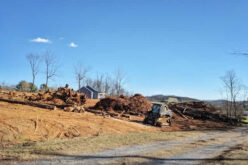
Site managers should do this inspection before any work begins. The goal is to identify potential safety hazards that may pose risks to workers. The area should be free from debris, hazardous materials, or anything else that could cause accidents. They should also inspect the site for environmental hazards such as unstable ground and slopes, proximity to water sources, and flooding risks.
Equipment Inspection
Construction equipment requires frequent inspections to ensure everything is in good working condition. Inspectors should check for worn-out tires, loose bolts, weak brakes, and other issues. This inspection should occur at least once a day before the start of work, and site managers should keep a report for future reference. This assessment aims to prevent mechanical failures that could cause serious accidents, resulting in injuries or fatalities.
Personal protective equipment (PPE) is important for construction workers, and a big mistake to avoid when using worksite PPE is neglecting to inspect it. Remember, prevention is always better than dealing with consequences, and regular PPE inspections can save lives.
Electrical Inspection
An electrical inspection is a crucial part of construction site safety. This inspection ensures all electrical connections and wiring systems are safe and up to code. You should inspect electrical equipment for damage, frayed wires, and exposed cords, which can result in electrocution or electrical fires. Also, address non-compliance immediately. Finally, all electrical equipment should be grounded and labeled, and all electrical systems need safety devices such as circuit breakers and fuses.
Scaffold Inspection
Scaffolds are critical for working at heights on a construction site, and you should never neglect them. A scaffold inspection should include checking for proper assembly, anchoring, and maximum load capacity. Additionally, check for damaged parts, missing pieces, or wobbly legs, which could affect the stability of the scaffolding. Finally, assess the condition of guardrails, midrails, and toe boards, which protect workers from falls.
Fire Safety Inspection
Fire safety inspections should occur frequently to minimize the risk of fires at a construction site. The inspector should check for smoke detectors, sprinkler systems, emergency exit signs, and fire extinguishers. Local fire brigades should be aware of the construction site. Site managers must keep the site free of flammable materials and provide access routes for emergency vehicles. Every construction worker should have a designated safety point and know the location of the closest fire extinguisher.
Construction sites are high-risk areas where safety should be the number one priority. Performing these inspections will help you keep everyone safe on a construction site.
end of post … please share it!
|__________________________________________________________|
home remodeling surprise
find out where it might go - new win


Helpful article? Leave us a quick comment below.
And please share this article within your social networks.