Selecting the right grill can feel overwhelming with so many options available, each promising to deliver the ultimate outdoor cooking experience. The truth is, the best grill for your backyard depends on your cooking style, available space, budget, and the flavors you want to achieve.
Whether you’re a weekend warrior looking for convenience or an aspiring pitmaster ready to master the art of low-and-slow cooking, understanding the different types of grills and smokers will help you make an informed decision.
From quick weeknight dinners to elaborate weekend gatherings, your grill will become the centerpiece of countless outdoor memories. Let’s explore the various grilling options that can turn your backyard into a culinary haven where delicious food brings people together.
- post content
- Gas Grills: Convenience Meets Control
- Charcoal Grills: Traditional Flavor and Authentic Experience
- Pellet Grills: Wood-Fired Flavor with Modern Convenience
- Electric Grills: Urban Solutions and Indoor Alternatives
- Smokers: The Art of Low and Slow Cooking
- Making the Right Choice for Your Backyard
- view table:content summary
- view ideas:latest remodeling analysis
- view key:collective notes
Gas Grills: Convenience Meets Control
Gas grills have earned their popularity through sheer convenience and reliability. These workhorses of backyard grilling connect to either a propane tank or your home’s natural gas line, providing instant heat at the turn of a knob.
The primary advantage of gas grills lies in their precise temperature control. Multiple burner zones allow you to create different heat levels across the cooking surface, making it easy to sear steaks over high heat while simultaneously cooking vegetables on medium heat. This versatility makes gas grills particularly appealing for busy weeknight cooking when time is limited.

Modern gas grills often feature additional conveniences such as built-in thermometers, side burners for sauces or side dishes, and warming racks to keep food at serving temperature. Higher-end models may include rotisserie attachments, smoker boxes, and even infrared burners for restaurant-quality searing.
However, gas grills do have limitations. Many grilling purists argue that gas lacks the distinctive smoky flavor that charcoal imparts to food.
While you can add wood chips to gas grills for some smoky essence, it won’t match the depth of flavor achieved with charcoal. Additionally, gas grills require ongoing fuel costs and potential repairs to gas lines and ignition systems.
For homeowners seeking consistent results with minimal preparation time, gas grills represent an excellent balance of convenience and performance. They’re particularly suitable for frequent grillers who value the ability to start cooking within minutes of deciding what’s for dinner.

Charcoal Grills: Traditional Flavor and Authentic Experience
Charcoal grills deliver the quintessential grilling experience that many outdoor cooking enthusiasts consider the gold standard. The distinctive smoky flavor that charcoal imparts to food simply cannot be replicated by other fuel sources.
The classic kettle-style charcoal grill remains a backyard staple, offering excellent heat retention and airflow control through adjustable vents. These affordable options provide ample cooking space for most family gatherings while teaching fundamental grilling skills like fire management and indirect cooking techniques.
Kamado-style charcoal grills, inspired by ancient clay cooking vessels, have gained tremendous popularity for their exceptional versatility. These ceramic or steel egg-shaped cookers excel at both high-temperature searing and low-temperature smoking, often maintaining steady temperatures for 12-16 hours on a single load of charcoal. The thick walls provide superior insulation, making them remarkably fuel-efficient despite their initial higher cost.
Charcoal grilling does require more time and attention than gas alternatives. Building and maintaining the fire becomes part of the cooking ritual, which some find meditative while others consider inconvenient. Temperature control relies on airflow management and charcoal arrangement rather than simply turning a dial.
Weather conditions can also impact charcoal grilling performance, with wind and humidity affecting burn rates and temperature stability. Cleanup involves disposing of ash and thoroughly cleaning grates that may have more residue than their gas counterparts.
Despite these considerations, charcoal grills reward patient grillers with unmatched flavor and the satisfaction of mastering fire. They’re ideal for those who view grilling as both cooking method and enjoyable hobby.
Pellet Grills: Wood-Fired Flavor with Modern Convenience
Pellet grills represent a fascinating marriage of traditional wood-fired cooking and modern technology. These innovative cookers burn compressed wood pellets, automatically feeding fuel to maintain precise temperatures through digital controllers and internal fans.
The appeal of pellet grills lies in their "set it and forget it" operation. Digital temperature controls maintain cooking temperatures within five degrees of your target, making them excellent for long smoking sessions without constant monitoring. Many models include WiFi connectivity, allowing you to monitor and adjust temperatures remotely through smartphone apps.
Wood pellets come in various flavors including hickory, apple, cherry, oak, and mesquite, providing subtle smoke flavors that enhance rather than overpower food. This versatility makes pellet grills suitable for everything from delicate fish to robust brisket, with each wood type contributing its unique flavor profile.
The temperature range of quality pellet grills typically spans from 180°F for cold smoking to 500°F for searing, though some newer models reach even higher temperatures. This versatility allows for smoking, roasting, baking, and even pizza cooking on a single appliance.
However, pellet grills do have drawbacks. They require electricity to operate the auger system and fans, limiting portability and making them unsuitable for locations without power access. Pellets must be stored in dry conditions to prevent moisture absorption that can cause feeding problems and poor combustion.
The initial cost of pellet grills tends to be higher than basic gas or charcoal options, and ongoing pellet costs can add up with frequent use. Additionally, the mechanical components require occasional maintenance and potential repairs over time.
For grillers who want wood-fired flavor without the hands-on fire management of traditional smoking, pellet grills offer an attractive compromise between convenience and authentic taste.

Transform Your Home with the Ultimate Outdoor Cooking Space
Imagine a space where you can whip up delicious meals under the sky, surrounded by the laughter of friends and family. Welcome to the world of outdoor kitchens, a trend that’s capturing the hearts of homeowners who love open-air cooking and entertaining.
Electric Grills: Urban Solutions and Indoor Alternatives
Electric grills serve a specific niche in the grilling market, primarily addressing the needs of urban dwellers and those with space or regulation constraints. Apartment balconies, condominiums with fire restrictions, and small outdoor spaces often prohibit gas or charcoal grilling, making electric grills the only viable option for outdoor cooking.
These grills operate by heating electric elements that warm cooking grates or surfaces, requiring only a standard electrical outlet to function. This simplicity makes them incredibly user-friendly, with temperature controls similar to indoor electric stovetops.
Electric grills excel in controlled environments where consistent, moderate heat is sufficient. They work well for cooking vegetables, fish, and thinner cuts of meat that don’t require intense searing temperatures. Some higher-end electric grills can reach temperatures suitable for searing, though they typically take longer to preheat than gas alternatives.
The limitations of electric grills are significant for serious outdoor cooking enthusiasts. They cannot produce the high temperatures needed for proper steak searing, nor can they impart any smoky flavor to food. The cooking experience feels more similar to indoor cooking than traditional grilling.
Weather conditions also impact electric grill performance, as moisture can affect electrical components and extension cords may be necessary for outdoor use. Power outages render electric grills completely unusable, unlike gas or charcoal alternatives.
Despite these limitations, electric grills serve an important purpose for urban grillers who want some outdoor cooking capability within their constraints. They’re also useful as secondary cooking surfaces during large gatherings when additional cooking space is needed.
Smokers: The Art of Low and Slow Cooking
Dedicated smokers represent the pinnacle of outdoor cooking for barbecue enthusiasts willing to invest time and attention in pursuit of perfectly tender, flavorful meat. These specialized cookers focus on maintaining low temperatures (225-275°F) for extended periods, transforming tough cuts of meat into incredibly tender delicacies.
Offset smokers, featuring a separate firebox connected to the main cooking chamber, provide the most traditional smoking experience. Pitmasters burn wood or charcoal in the firebox, with smoke and heat flowing through the cooking chamber before exiting through a chimney. This design allows for pure wood smoke flavor while keeping the fire separate from the food.
The art of offset smoking requires understanding airflow, fire management, and temperature control through damper adjustments and fuel selection. Maintaining steady temperatures for 8-16 hour cooking sessions demands attention and experience, making offset smokers best suited for dedicated barbecue enthusiasts.


Vertical water smokers offer a more user-friendly approach to smoking, using a water pan to help regulate temperature and maintain moisture.
These cylindrical cookers stack cooking grates vertically, providing ample space for multiple items while occupying a smaller footprint than offset smokers.
Electric and gas smokers further simplify the smoking process by eliminating fire management while still using wood chips or chunks for flavor. These options make smoking accessible to beginners while producing excellent results with minimal attention required.
The primary challenge with all smokers is time commitment. True barbecue requires patience, with brisket taking 12-16 hours and pork shoulders requiring 8-12 hours to reach proper tenderness.
This extended cooking time makes smokers impractical for quick meals but perfect for weekend projects and special occasions.
Smokers also require practice to master temperature control and timing. Unlike grilling, smoking doesn’t offer many opportunities to adjust for mistakes during cooking, making experience and preparation crucial for consistent results.
For those passionate about authentic barbecue and willing to invest time in learning the craft, dedicated smokers provide unmatched flavor and satisfaction that comes from mastering one of cooking’s most challenging disciplines.
Making the Right Choice for Your Backyard
Selecting the perfect grill or smoker for your new outdoor space ultimately depends on matching the equipment to your lifestyle, cooking preferences, and available time. Consider how often you plan to cook outdoors, whether you prefer convenience or are willing to invest time in technique, and what types of food you most enjoy preparing.
Gas grills suit busy families who want reliable, convenient outdoor cooking for regular meals. Charcoal grills appeal to those who prioritize flavor and enjoy the ritualistic aspects of fire building and management. Pellet grills offer an excellent compromise for cooks wanting wood flavor with modern convenience, while electric grills serve specific situations where other fuel types aren’t permitted.
Dedicated smokers represent a commitment to the art of barbecue, requiring time and patience but rewarding users with unmatched flavor and the satisfaction of mastering traditional techniques. Many serious outdoor cooks eventually own multiple units, using different equipment for different occasions and cooking styles.
Your new deck or patio provides the perfect foundation for outdoor culinary adventures. Whether you choose the convenience of gas, the tradition of charcoal, the innovation of pellets, the necessity of electric, or the artistry of smoking, the right equipment will help create countless memorable meals and gatherings with family and friends.
other related analysis of interest: (new win)
Home Plumbing Tricks and Tips: How Best to Maintain Your Plumbing Drainage System
The Complete Kitchen Sink and Faucet Selection and Replacement Guide
Resources and Citations:
| Grill Type | Features | Pros | Cons | Best For |
|---|---|---|---|---|
| Gas Grills | Connects to propane or natural gas, equipped with multiple burners, knobs for precise temperature control, and additional features like side burners or warming racks. | Convenient, quick to heat, precise temperature control, versatile cooking zones, and modern conveniences like rotisseries or smoker boxes. | Lacks smoky flavor, ongoing fuel costs, and potential maintenance for ignition systems or gas lines. | Frequent grillers who prioritize convenience and quick cooking. |
| Charcoal Grills | Use charcoal as fuel; options include classic kettle and kamado-style grills, offering heat retention and airflow control. | Imparts authentic smoky flavor, versatile for both searing and slow cooking, and teaches core grilling techniques. | Time-consuming setup, requires fire management, weather-sensitive, and extra cleanup (ash disposal). | Flavor-focused grillers who enjoy the grilling ritual as a hobby. |
| Pellet Grills | Burn compressed wood pellets, equipped with digital temperature control and sometimes WiFi connectivity for remote monitoring. | “Set it and forget it” convenience, wood-fired flavor, versatile temperature range for smoking, searing, and more. | Higher initial and pellet costs, requires electricity, and needs dry storage for pellets. | Cooks seeking a combination of authentic wood flavor with modern convenience. |
| Electric Grills | Powered by plugging into an electrical outlet; straightforward temperature controls and compact size. | User-friendly, ideal for small spaces or urban areas with fire restrictions. | Cannot produce high searing temperatures, lacks smoky flavor, and dependent on electricity. | Urban dwellers or those limited by regulations who need compact and simple grilling solutions. |
| Smokers | Specialized for low-and-slow cooking, using wood, charcoal, or gas; includes traditional offset smokers, vertical water smokers, and automated gas or electric smokers. | Produces tender, flavorful barbecue with authentic smoky taste, excellent for longer cooking sessions on cuts like brisket or pork shoulder. | Requires significant time and attention, steep learning curve, and limited practicality for quick meals. | Passionate barbecue enthusiasts looking to master authentic smoking techniques. |
Find Decks n’ Patio Services Decks Patio Fences Landscape Design top-rated, pre-screened local contractors FREE: download contractor selection enter zip code – powered by HomeAdvisor ™


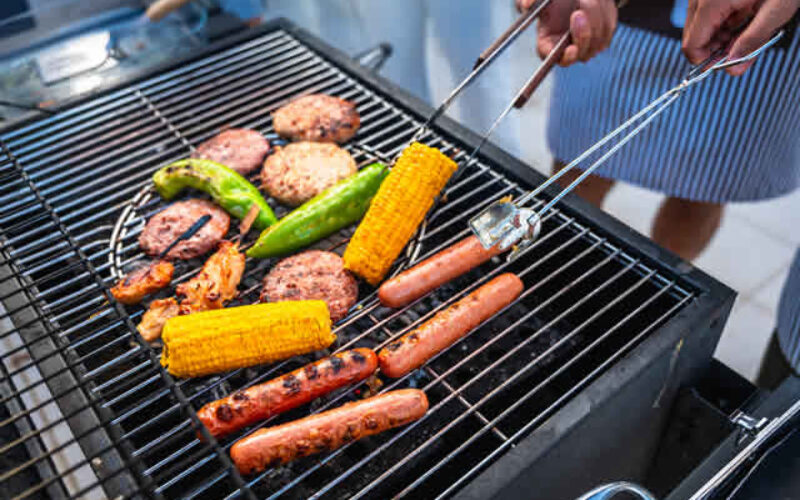
Image credit: grills for backyard cookouts by envato.com
end of post … please share it!
| more photo remodeling |
Jump Over to Our Photo Analysis Center for Ideas on
"Renovating Home"
|__________________________________________________________|
home remodeling surprise
find out where it might go - new win


Helpful article? Leave us a quick comment below.
And please share this article within your social networks.