That sound can be incredibly annoying, especially when it disrupts a peaceful household or draws unwanted attention during a quiet moment.
Understanding the common reasons a hardwood floor creaks is the first step in fixing the problem and restoring the tranquility of your home. Below, we break down the most frequent culprits behind these noisy floors and what you can do about them.
Changes in Humidity
Wood is a natural material that’s sensitive to fluctuations in humidity. During humid months, the wood absorbs moisture and expands, while in drier conditions, it contracts. This constant cycle of expansion and contraction can eventually lead to gaps, friction, and creaks.
If you live in an area with significant seasonal changes, this may be the culprit behind your noisy floor. To combat this, strive to maintain consistent indoor humidity levels. Using a humidifier in winter and a dehumidifier in summer can go a long way in keeping your hardwood stable and quiet.
Loose Nailing
Over time, the nails anchoring your hardwood floorboards to the subfloor can loosen. This often happens due to natural settling and humidity fluctuations. When those nails lose their grip, the floorboards can shift slightly out of position, resulting in that familiar creaky sound.
Tightening or resecuring the nails can be an effective fix, but it’s essential to use the correct tools and technique. Pneumatic floor nailers or screws designed for wood flooring can help ensure longer-lasting results. However, if the problem is widespread, a professional evaluation might be worth considering.
Subfloor Issues
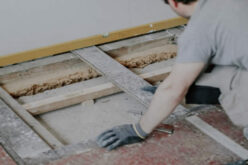
A problematic subfloor is another common cause of creaky hardwood. The subfloor acts as the foundation for your floorboards, and any instability or leveling issues can lead to movement and noise. Over time, gaps between the subfloor and joists can begin to impact your hardwood floors.
A thorough inspection of the subfloor can reveal if it’s contributing to the problem. Depending on the issue, shimming, adhesive reinforcements, or refastening the subfloor can help eliminate the noise.
Improper Installation
When floorboards aren’t installed correctly from the start, problems are bound to arise sooner or later. Uneven placement, inadequate adhesive, or lack of proper acclimation to your home’s environment before installation can all lead to creaks down the line. If you’re considering renovating or replacing your current hardwood floors, avoiding flooring installation mistakes is vital.
If improper installation is to blame, you might need to call in experts for a correction, such as re-laying specific sections of flooring or fixing an uneven subfloor. This investment will bring peace back to your home.
Enjoy a Quieter Home
Creaky hardwood floors don’t have to be a permanent annoyance. By understanding the common reasons a hardwood floor creaks, you can take steps to identify and fix the issue. If you’re unsure of how to tackle the problem or want to ensure a lasting solution, consider reaching out to a flooring professional for help.
Image Credentials: By REDPIXEL, 140221951
end of post … please share it!
|__________________________________________________________|
home remodeling surprise
find out where it might go - new win


Helpful article? Leave us a quick comment below.
And please share this article within your social networks.