From protecting delicate plants to managing ice and snow, here are the must-do landscaping tasks for winter to keep your property safe.
Prune Trees and Shrubs
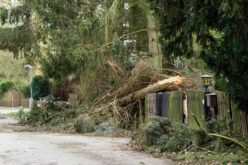
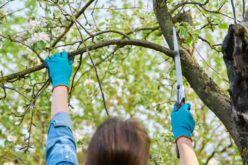
Before the full onset of winter, take the time to prune your trees and shrubs. Trimming dead or damaged branches is especially important, as heavy snow and ice can weigh them down, causing them to break. This protects the plants and keeps your family and home safe from falling limbs.
Pruning during the dormant season helps plants conserve energy and paves the way for vigorous growth come spring. Focus on shaping your shrubs and removing any overlapping branches to maximize airflow and sunlight exposure. Remember to use clean, sharp tools to make precise cuts that prevent disease.

Clear Debris and Mulch Beds
While it’s tempting to leave fallen leaves for composting purposes, a thick layer of debris can smother your grass and invite pests. Rake up leaves, twigs, and any other clutter, and consider using the debris to create compost if you have a designated space for it.
Once the yard is cleared, add a layer of mulch to your garden beds. Mulching helps insulate the roots of your plants, keeping soil temperatures stable during fluctuating winter conditions. It also helps retain moisture and reduces soil erosion, ensuring your landscape stays healthy even through the cold months.

Protect Plants from Frost
For sensitive or less hardy plants, frost can be a serious threat. To keep them safe, cover delicate plants with burlap, frost cloth, or even old blankets during particularly cold nights. If you have potted plants, consider moving them inside or to a more sheltered area, such as a garage or greenhouse.
Another option is to use an anti-desiccant spray for shrubs like boxwoods or holly, which lose moisture and become stressed during the winter. These sprays create a protective coating, preventing water loss and keeping plants hydrated during harsh weather.
Use Ice Melt to Protect Walkways and Plants
Winter often brings icy conditions that can make your driveways, walkways, and stairs dangerously slippery. The use of ice melt is an effective way to manage these hazards and keep your property safe.
However, it’s important to choose the right product and apply it responsibly to minimize potential damage to plants and landscapes.
-
Choosing the Right Ice Melt
Not all ice melt products are created equal. Some contain harsh chemicals, like calcium chloride, which can harm plants, soil, and even concrete surfaces.
Opt for a pet-safe, environmentally friendly ice melt whenever possible. These products are formulated to be gentler, while still delivering effective results.
-
Application Tips
To avoid overusing ice melt, spread it evenly across areas prone to icing before heavy snow or ice accumulates. You don’t need to use large quantities—just a thin layer will do.
Once the snow has melted, make sure to sweep away any remaining ice melt to prevent it from soaking into the soil around your plants. Additionally, consider using sand or gravel in combination with ice melt to provide extra traction on slippery surfaces.
-
Landscaping Benefits
Using ice melt strategically doesn’t just protect your walkways; it also keeps your plants from being directly exposed to frozen water runoff, which can damage roots.
By striking a balance between safety and preservation, you’ll be able to maintain both a safe property and a healthy winter landscape.
Plan for Snow Management
While snow can add a picturesque element to your yard, heavy snowfall can cause trouble if not properly managed. Create a snow removal plan that includes clearing driveways, sidewalks, and other high-traffic areas. Consider investing in a snow blower or hiring professionals for large properties.
When shoveling or clearing snow, avoid piling it directly onto garden beds or near trees, as this can smother plants and compact the soil. Instead, designate a specific spot in your yard for snow deposits, keeping it away from delicate landscaping features.
other related analysis of interest: (new win)
Check and Maintain Tools
Winter is the perfect time to assess and maintain your landscaping tools. Clean, sharpen, and store tools like pruners, rakes, and spades properly to ensure they’re in optimal condition for the coming spring.
This is also a good time to inspect lawn equipment like mowers and trimmers. Giving your tools some attention now ensures a smooth start to your gardening efforts when warmer weather arrives.
Caring for your landscape during the winter may seem like extra effort, but it pays off in the long run. By tackling essential tasks like pruning, mulching, and protecting plants from frost—and using ice melt wisely—you’ll safeguard both the beauty and functionality of your outdoor spaces.
Not only will these efforts make your property safe during icy weather, but they’ll also give your garden the best chance to thrive when spring returns. With a bit of winter preparation, your yard will be ready to shine no matter the season.
Find Yard Maintenance Services Lawn Maintenance Sprinkler Systems Pest Control Tree & Shrubs top-rated, pre-screened local contractors FREE: download contractor selection enter zip code – powered by HomeAdvisor ™


Image credit: landscaping tasks for the winter season by envato.com
end of post … please share it!
| more photo remodeling |
Jump Over to Our Photo Analysis Center for Ideas on
"Renovating Home"
|__________________________________________________________|
home remodeling surprise
find out where it might go - new win


Helpful article? Leave us a quick comment below.
And please share this article within your social networks.