The kitchen is often the heart of the home, where we prepare, store, and consume food. Using sustainable storage materials can not only extend the shelf life of your food but also contribute to a more eco-friendly lifestyle.
- post content
- Why Choose Sustainable Storage Materials?
- Glass: A Sustainable and Versatile Material
- How Sustainable Storage Materials Can Reduce Food Waste
- Reusable Packaging In Your Kitchen Renovation
- The Impact of Light On Food Storage
- DIY Projects With Sustainable Materials
- side idea:How to Get the Best Glass Products Possible
- view key:collective notes
Why Choose Sustainable Storage Materials?
Most people are aware of the harmful effects of plastic on the environment. Plastic is cheap and easy to produce, but it is also one of the biggest pollutants on our planet. It takes hundreds of years for plastic to fully decompose, and during that process, harmful chemicals are released that affect the environment and the health of humans and animals.
Sustainable storage materials, such as glass, stainless steel, and bamboo, offer an eco-friendly alternative to plastic. These materials are reusable, recyclable, and free of harmful chemicals. Additionally, they are often more durable and last longer, meaning you won’t need to buy new products as often.


Glass: A Sustainable and Versatile Material
One of the best alternatives to plastic is glass. Glass is a natural material that is fully recyclable and contains no harmful substances. It is also one of the most versatile materials for food storage, as it is resistant to high temperatures and does not absorb odors or flavors. Moreover, glass is transparent, allowing you to see what’s inside at a glance.
A specific type of glass that is becoming increasingly popular due to its unique properties is violet glass. This glass, as used in the violet glass bottles from Miron, has the special ability to block harmful light while allowing certain wavelengths of light to pass through that can extend the shelf life of food. This makes it ideal for storing herbs, spices, and other foods sensitive to light.
How Sustainable Storage Materials Can Reduce Food Waste
Food waste is a major global issue. According to the Food and Agriculture Organization of the United Nations, about one-third of all food produced is wasted.
This not only has economic consequences but also a massive impact on the environment. By wasting food, we also waste the resources needed to produce it, such as water, energy, and land.
Sustainable storage materials can help reduce food waste by extending the shelf life of food. Materials like glass and stainless steel are airtight and protect food from exposure to air and moisture, which can accelerate spoilage. Additionally, as mentioned earlier, using violet glass can protect foo
Reusable Packaging In Your Kitchen Renovation
If you’re planning to renovate your kitchen, it’s a great time to think about integrating reusable packaging and storage solutions. This can range from replacing plastic storage containers with glass jars to installing custom storage spaces for bulk products like rice, pasta, and grains.
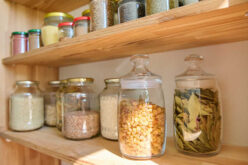
A zero-waste pantry is a fantastic way to make your kitchen more sustainable. By using reusable glass jars and bottles, you can store dry goods and liquids in an organized and eco-friendly manner.
Moreover, a pantry filled with glass jars not only looks neat but also helps you become more mindful of the amount of food you buy and store. For example, using a syrup bottle made of glass can enhance the look and sustainability of your kitchen.

The Impact of Light On Food Storage
Light plays an important role in the shelf life of food. Exposure to light can degrade the quality of food by accelerating oxidation, leading to a loss of nutrients and flavor. This is especially true for herbs, spices, and oils, which are sensitive to light and can quickly lose their freshness.
By storing your food in dark or light-blocking materials, such as violet glass, you can significantly extend the shelf life of your products. This type of glass protects against harmful UV rays and prevents light from affecting the quality of the food. This is a simple yet effective way to reduce food waste and maintain the freshness of your products.
DIY Projects With Sustainable Materials
In addition to using sustainable storage materials, you can also get creative with DIY projects to make your kitchen even more eco-friendly.
For example, consider reusing old glass jars for storing herbs or creating decorative storage solutions. By reusing and upcycling materials, you reduce waste and give your kitchen a unique, personal touch.
Find Kitchen Remodeling Services Kitchen Remodeling and Design Cabinets & Countertops Flooring Lighting Design Painting & Staining top-rated, pre-screened local contractors FREE: download contractor selection enter zip code – powered by HomeAdvisor ™


Image credit: sustainable storage materialsby envato.com
end of post … please share it!
| more photo remodeling |
Jump Over to Our Photo Analysis Center for Ideas on
"Renovating Home"
|__________________________________________________________|
home remodeling surprise
find out where it might go - new win


Helpful article? Leave us a quick comment below.
And please share this article within your social networks.