If you’re a homeowner, it’s important to recognize these early signs to take swift action. In this guide, we’ll help you identify potential moisture issues in your basement so you can protect your home and your family.
Musty Odors
A persistent musty smell in your basement is often the first sign of moisture problems. This odor is usually caused by mold or mildew, which thrive in damp environments. Even if you can’t see mold growth, the smell alone indicates that moisture is present and needs addressing.
Mold and mildew not only cause unpleasant odors but can also lead to health issues, especially for those with allergies or respiratory problems.

Visible Mold or Mildew
Mold and mildew are clear indicators of a moisture problem. Look for black, green, or white spots on walls, floors, or ceilings. These fungi can cause health issues and deteriorate building materials over time.
Early detection and removal are crucial to prevent further spread. If you notice any visible mold or mildew, it’s best to call a professional for proper remediation.

Damp or Wet Walls
Feel the walls of your basement. If they are damp to the touch or have visible water stains, this is a strong indication of moisture intrusion.
Wet walls can result from various sources, including leaks, condensation, or inadequate drainage systems. It’s essential to identify the source of the moisture and address it promptly to prevent further damage.
Efflorescence
Efflorescence appears as a white, powdery substance on basement walls or floors. It forms when water evaporates, leaving behind mineral deposits.
While efflorescence itself is not harmful, it signals that water is seeping through the concrete, which can lead to more severe issues if not treated.
Peeling Paint or Wallpaper
If you notice paint or wallpaper peeling or bubbling, it’s a sign that moisture is trapped behind it. This can weaken the adhesive properties of paint and wallpaper, causing them to detach from the surface.
Addressing the underlying moisture problem is necessary to prevent recurring damage.
Cracks in Walls or Floors
Cracks in basement walls or floors can be both a cause and a result of moisture problems. Water can seep through these cracks, worsening the issue over time.
Keep an eye out for new cracks or changes in existing ones, and consider professional evaluation to determine the best course of action.
Water Puddles or Streaks
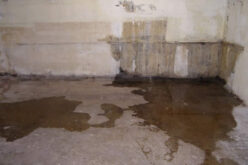
Visible water puddles or streaks on basement floors or walls are clear indicators of moisture intrusion. These can result from leaking pipes, inadequate drainage, or groundwater infiltration.
Promptly identifying the source of the water is essential to address the problem effectively. Ignoring these signs can lead to more severe damage over time, so addressing the problem promptly is crucial.

Condensation
Condensation on windows, pipes, or other surfaces in your basement suggests high humidity levels. While occasional condensation may be normal, persistent condensation indicates that moisture control measures are needed.
Installing a dehumidifier can help manage humidity levels and reduce condensation.
Rust on Metal Surfaces
Rust forming on metal surfaces such as support beams, pipes, or appliances is a sign of excess moisture. Rust can weaken structural elements and lead to costly repairs if not addressed.
Ensure proper ventilation and consider basement waterproofing solutions so your metal appliances and surfaces won’t get tarnished.
Warped or Buckling Materials
Materials in your basement, such as flooring or wooden support beams, may become warped or buckled due to moisture issues. This can result in structural damage and affect the stability of your home.
If you notice any signs of warping or buckling, it’s crucial to address the underlying moisture problem before repairing or replacing these materials.
Soggy or Rotten Wood
If you find soggy or rotten wood in your basement, it is a clear sign of ongoing moisture issues. Wood that is soft, discolored, or crumbling when touched has likely been exposed to water for an extended period.
This can lead to structural damage and create a breeding ground for mold and pests. Addressing the moisture source and replacing any damaged wood is critical to maintaining the integrity and safety of your basement.
Foul Smells or Insects
In addition to musty odors, foul smells or an increase in insect activity can also indicate a moisture problem. Termites, carpenter ants, and other pests are attracted to damp environments, and their presence can further damage your home.
If you notice any unusual smells or signs of insects in your basement, it’s best to consult a professional for proper inspection and treatment.
Spotting the early signs of basement moisture problems is crucial for maintaining a healthy and structurally sound home.
By recognizing these indicators—such as musty odors, visible mold, damp walls, and peeling paint—you can take proactive steps to address the issue.
Stay vigilant, and your basement will remain a safe, dry space for years to come.
Find Professional Services Abatement Services Junk Removal Site Preparation Recovery Services top-rated, pre-screened local contractors FREE: download contractor selection enter zip code – powered by HomeAdvisor ™


Image credit: by envato.com
end of post … please share it!
| X (formally twitter) |
| more photo remodeling |
Jump Over to Our Photo Analysis Center for Ideas on
"Renovating Home"
|__________________________________________________________|
home remodeling surprise
find out where it might go - new win


Helpful article? Leave us a quick comment below.
And please share this article within your social networks.