Key Takeaways:
- Understand your project’s equipment needs by thoroughly assessing its size, environment, and specific job requirements.
- Select a reputable and reliable rental provider and clarify financial commitments and safety training provisions.
- Conduct a meticulous inspection of the equipment’s condition and technology before renting to avoid operational hitches.
- Explore the inherent flexibility, cost savings, and environmental benefits of renting equipment for short-term projects.
This article is a thorough manual exploring the subtleties of selecting the ideal rental equipment to enable a smooth operational flow and increase your endeavors’ effectiveness and success rate.
Identifying Your Equipment Needs
A thorough grasp of equipment needs forms the foundation of a successful project. It begins by carefully evaluating the project’s scope and the intricacies of the tasks ahead. Are you tackling rough terrain that demands sturdy construction equipment, or do you need precise tools for detailed architectural work?
Explore options for the necessary equipment for rent to ensure a well-equipped project. Furthermore, consider the scale of the project. Large-scale operations may demand heavy-duty equipment capable of handling the increased workload, whereas smaller, more delicate projects benefit from more refined machinery.
Establishing these details upfront will inform your rental choices and ensure your equipment needs are met and adequate.

The Steps to Choosing the Right Equipment
Having identified what equipment your project demands, the following step is to undertake comprehensive research. This should be a blend of online exploration and real-world inquiries. Identify which equipment models have the features necessary to accomplish your goals and which providers offer the best versions of these tools.
It’s often beneficial to seek advice from industry experts or seasoned peers who can provide insights based on their hands-on experiences. These consultations can unlock valuable knowledge regarding the efficiency, reliability, and cost-effectiveness of different equipment types, ultimately aiding you in making an informed rental decision.
Evaluating Rental Providers
Your choice of rental provider can be as pivotal as the equipment itself. It is crucial to engage with a company with a sterling reputation that demonstrates a commitment to customer service and the maintenance of its machinery fleet. Choosing the correct construction equipment rental can be the make or break of your project, so it’s always important to do your research beforehand.
Investigate potential rental companies by examining customer reviews, seeking industry testimonials, and assessing their track record in the business. An outstanding rental company that is prepared to offer comprehensive assistance during the rental period and is honest about the equipment’s maintenance history can significantly impact your project’s outcome.
Financial Considerations
Financial prudence dictates that you conduct a rigorous analysis of the costs associated with renting equipment. Does the rental fee align with your project budget? What are the terms of the contract, and are there hidden costs such as late return fees or extra charges for additional attachments?
Clarification on insurance coverage is equally imperative — understanding who bears the brunt of repair costs in the event of equipment failure is essential. Sound financial planning also involves comparing the short-term rental expenses against the long-term costs of purchasing and maintaining similar equipment to determine which avenue offers more excellent value for your investment.
Safety and Training
Project success is never solely about the bottom line; safety, too, occupies the highest priority. The chosen rental provider should be able to guarantee that their equipment meets all safety regulations. In addition, they should offer, or at least facilitate, comprehensive training for the individuals who will operate this machinery.
This attention to safety training ensures that your workforce is adequately prepared to manage the equipment proficiently, thereby mitigating the risks of workplace accidents and potential project setbacks.
Assessing Equipment Condition Before Renting
The state of the equipment pre-rental cannot be taken for granted. It is important to carefully inspect the apparatus before signing the leasing agreement. Do any noticeable indications of wear and tear exist? Do the equipment’s technological capabilities align with your project’s demands?
These proactive evaluations ensure the rental equipment will perform reliably without causing delays, fostering a smooth operational trajectory for your project.
Advantages of Renting for Short-Term Projects
Renting equipment presents distinct advantages, particularly for short-lived or one-time projects. This includes offering a high degree of project management flexibility and accompanying financial freedom from the shackles of long-term investment in expensive machinery.
The transient nature of such projects makes the transient commitment of rental particularly alluring. These advantages are eloquently summed up in a Forbes article, underscoring the pragmatic benefits of equipment rentals in the construction industry.
Eco-Friendly Benefits of Renting Equipment
In today’s environmentally conscious world, the ecological impact of our choices warrants serious consideration. Renting equipment can significantly reduce one’s carbon footprint by mitigating the demand for new machinery production and encouraging the reuse of existing resources.
Such a shared-economy approach drives costs down and elevates sustainability practices within industries. A Chron article indicates that while numerous advantages exist, businesses should carefully balance these against potential downsides, embracing a fully informed approach to equipment rental.
Find Home Remodeling Services Additions Major Remodels Minor Remodels Disability Needs top-rated, pre-screened local contractors FREE: download contractor selection enter zip code – powered by HomeAdvisor ™

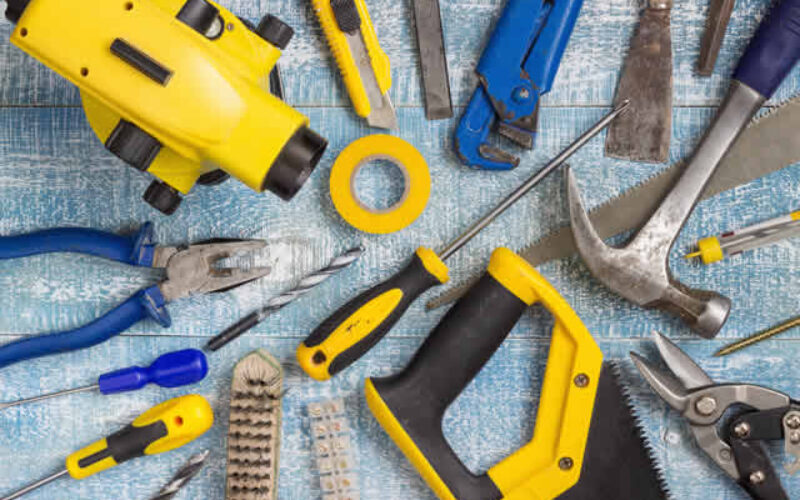
Image credit: how to choose the right equipment for rent by envato.com
end of post … please share it!
|__________________________________________________________|
home remodeling surprise
find out where it might go - new win


Helpful article? Leave us a quick comment below.
And please share this article within your social networks.