As much as DIY projects are increasingly popular among homeowners today, dealing with this particular problem may require more expertise.
The good news? With the right instructions and tools, fixing a wobbly toilet isn’t as intimidating or difficult as it might seem!
This blog post will take a look at some of the common causes for why toilets become unsteady — from loose mounting bolts to bottoming out — before diving into what solutions work best for each issue.
By following this step-by-step guide on how to fix a wobbly toilet, you can quickly restore stability and tranquility back in your bathroom.
Identify the Source of the Wobble
You’ve likely experienced a wobbly toilet at one point or another, and it can be quite frustrating. But have you ever stopped to think about what’s causing that annoying wobble? It could be a couple of things.
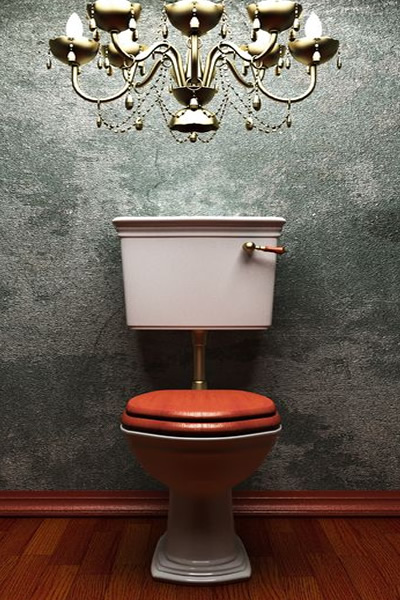
First, check to see if the toilet is loose or not leveled; this is a common culprit. If that’s not the issue, then it’s possible that there’s an issue with the flange. The flange is the circular piece of pipe that connects the toilet to the drainpipe.
If it’s broken or not properly attached, it can cause the toilet to wobble. Either way, identifying the source of the wobble is key to fixing the problem and ensuring a stable and secure throne.
Check the Bolts that Secure the Toilet to the Floor
Your toilet is an essential part of your home, and it’s crucial to ensure that it’s functioning correctly. Oftentimes, the problem is with the bolts that secure the toilet to the floor. Over time, these bolts can loosen, causing the toilet to wobble or even leak.
To avoid these issues, it’s important to check the bolts regularly and tighten them if necessary. By doing this simple task, you can prevent bigger problems down the line and ensure that your toilet is stable and secure.
In some cases, securing the bolts properly may require expert care, like from professionals at Plumb Doctor. You can always call a plumber over for an inspection if you feel that the bolts need professional assistance.
Examine the Flange
The flange is an essential component that connects two pipes or parts together. Thus, it’s important to inspect the flange for any signs of damage or wear and tear.

A damaged flange could lead to leaks, pressure drops, and safety hazards. It’s recommended to examine the flange thoroughly, checking for cracks, corrosion, erosion, distortion, or any other signs of weakness.
By taking these steps, you can ensure that the flange is in optimal condition and will function effectively.
Replace Any Missing Screws in the Flange
Missing screws in the flange could lead to a multitude of problems, including leaks, disruptions in the system’s performance, or even damaging equipment. In such cases, replacing the missing screws is crucial to maintain the integrity of the piping system.
It is important to know the type and size of the screw needed to ensure a proper fit and avoid any further complications. So, if you notice any missing screws in your flange, don’t hesitate to take action and replace them promptly.
other related articles of interest:
Fixing a wobbly toilet doesn’t have to be complicated or difficult—as long as you take the necessary steps and use caution throughout each step of the process, you’ll soon be able to enjoy a more secure bathroom experience without worrying about unexpected spills or messes due to an unstable fixture!
By following the few steps outlined here, you can be sure that your toilet won’t be shaking anymore.
Find Plumbing Services Plumbing Issues Drain Clearing Septic/Sewers Water Heaters Pumps Water Softening top-rated, pre-screened local contractors FREE: download contractor selection enter zip code – powered by HomeAdvisor ™


Image credit: how to fix a wobbly toilet by envato.com
end of post … please share it!
| more photo remodeling |
Jump Over to Our Photo Analysis Center for Ideas on
"Renovating Home"
|__________________________________________________________|
home remodeling surprise
find out where it might go - new win


Helpful article? Leave us a quick comment below.
And please share this article within your social networks.