Luckily, there are DIY test kits available that you can purchase for far less than it would cost to hire a contractor. These asbestos testing kits shift some of the work back to you, saving you money in the long run.
Even if you do eventually call a testing company, it’s still a good idea to start with a home testing kit. This guide on how to test for asbestos yourself will teach you how to use a DIY kit to test for asbestos.

Why Would There Be Asbestos in My Home?
With all the publicity about asbestos and its dangers, you might assume it’s no longer used in construction, but you’d be wrong. There are stricter regulations, but you can still find the substance in new roofing materials, floor tiles, and more.
The reasons why asbestos is still legal are complicated, but there’s still hope that it will be banned in the United States in the future.
How Do Testing Kits Work?
In general, asbestos testing kits work in a two-step process. After purchasing a low-cost kit from a home improvement store or online, you will need to obtain suspected asbestos from your home.
Next, you will mail the findings to a laboratory, and after a few days, they will be sent back to you.
Sometimes, the initial testing kit includes both the kit fee and the laboratory fee. Other times, you will need to pay twice—once for the kit and once for a larger fee for the lab work.
When pricing out asbestos testing kits, be sure to understand whether you must pay twice. Also, it helps to know if a pre-paid mailer is included.
Collecting Suspected Asbestos for the Kit
When collecting either solid or friable materials or dust samples, be sure to take precautions against asbestos contamination. Wear disposable overalls, gloves, safety glasses, boot covers, and respirators equipped with HEPA filters.
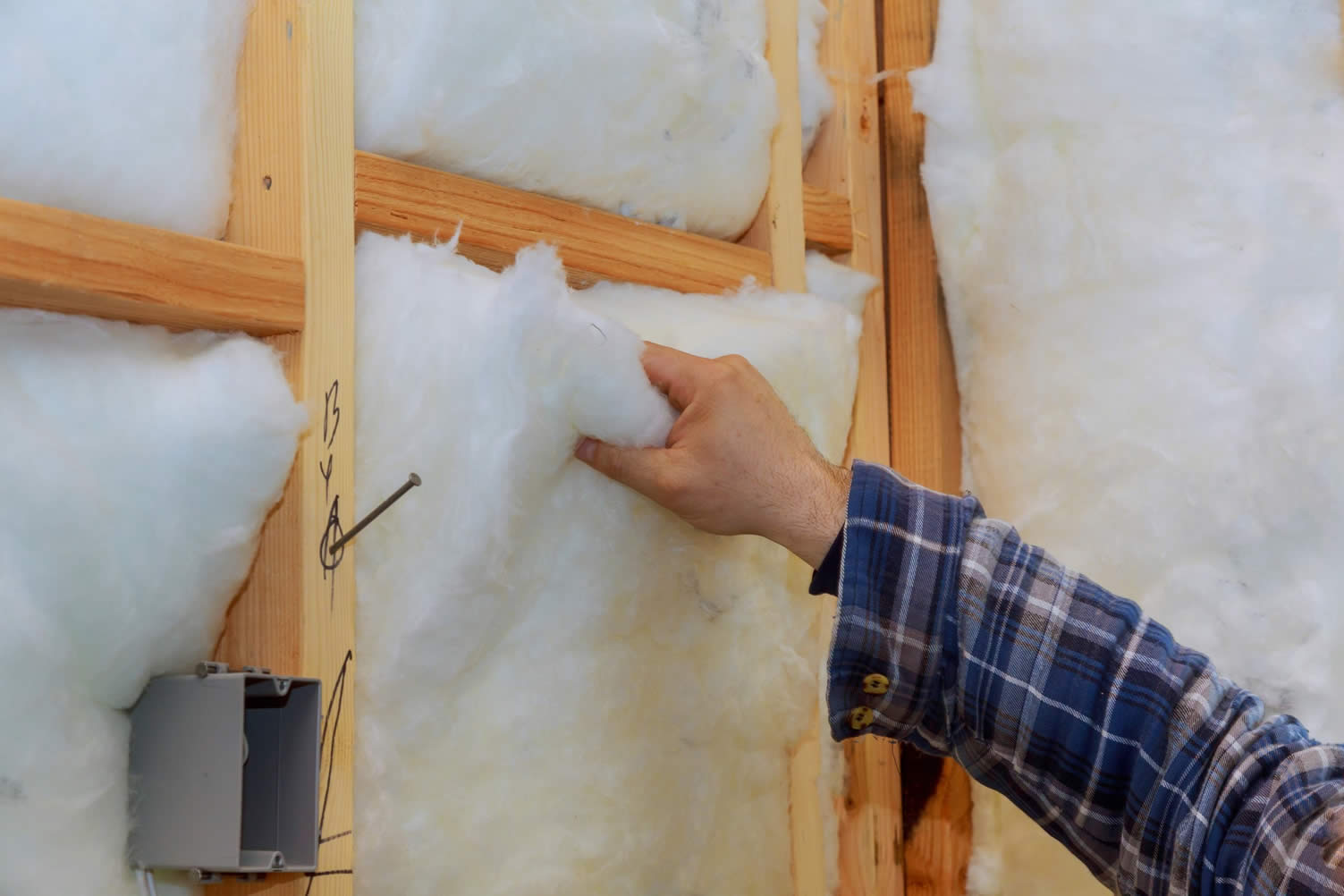
asbestos test kitsasbestos protective equipment
some asbestos testing equipment to consider
Keep loose asbestos fibers out of the air by mixing one teaspoon of liquid washing detergent with cool water in a pint-sized spray bottle. Feel free to liberally spray down the area.
Solid and Friable Materials
Materials that are solid or friable tend to be less expensive to get tested. With these materials, you will need to cut out a small sample of the material in question, place it in the provided bag, seal it, then mail the sample to the laboratory.
The lab will report back to you in a couple of weeks regarding whether the material tested positive for asbestos or not.
other related articles of interest:
Dust Samples
Often, you will only be able to obtain a sample of dust. Unfortunately, the cost of the test will increase because dust testing requires an electron microscope. Asbestos testing labs will usually ask that you collect as large a sample as possible to fill one teaspoon.
If you cannot gather that much dust, you should use a damp tissue to collect the dust and enclose the tissue in a self-sealing bag.
We hope that this guide for how to test for asbestos yourself has informed about you to choose a testing method for asbestos in your home.
Find Professional Services Abatement Services Junk Removal Site Preparation Recovery Services top-rated, pre-screened local contractors FREE: download contractor selection enter zip code – powered by HomeAdvisor ™

Image credit: how to test for asbestos yourself by Pixabay
end of post … please share it!

|__________________________________________________________|
home remodeling surprise
find out where it might go - new win


Helpful article? Leave us a quick comment below.
And please share this article within your social networks.