It has also allowed people to purchase various fruits and vegetables locally regardless of whether or not they are in season.
Controlling Environmental Conditions
An essential aspect of green houses is that the temperature within them can be closely monitored and regulated. Farmers are at liberty to use ideal building materials that will harness solar power and provide a natural source of energy. People also have the option of providing additional heating during the colder seasons of the year. Changes in temperature and any other variables are undertaken to maximize growth and production.
Farmers (especially those working on a commercial scale) can further increase their plant production by using greenhouse management software which analyses soil quality and picks up on potency or any contaminants that may have found their way into the plants. The results and data provided by these software solutions can then be used to ensure consistent optimal growing conditions in the greenhouse, resulting in the growth of high-quality products.
It is important for the farmers to be able to control various conditions in a green house, and this includes humidity. With conventional farming situations, the area where crops are grown is typically limited to a flat environment. Farming in a green house provides a worthwhile alternative by enabling people to maximize on vertical space that will accommodate more crops.
Space and Flexibility
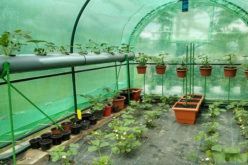
Plants can be suspended from ceilings or placed on shelves and this ensures that as much space as possible is available for growing. Green house farming offers more flexibility than conventional farming methods because people can set up different buildings that will accommodate a variety of crops.
Crops thrive in different environments and the ability to control environmental conditions in each building is a major advantage. There are numerous innovative ways for farmers to boost the growing potential of their plants such as water suspension where plants are provided with the nutrients they need.
Growing Different Plants
The best types of plants to grow in a green house are those that are productive. It is also important to ensure that one has access to the right kind of soil that is vital for growth and output. Green houses need to be properly ventilated to keep out pests that thrive in a poorly ventilated environment.
Fresh air and the right temperature are essential for maintaining a habitable environment. Adequate space is an important requirement when constructing a green house. This is because the vegetation requires enough space in order for it to grow effectively.
People need to avoid situations where the plants are too closely packed together, especially in instances where crops are directly planted in benches. For people who mainly use pots for growing, it may be easier to cater for space.
Specially Designed
Green houses are specially designed for the purpose of growing plants. The structure can feature a number of materials that include plastic and glass. A green house serves the important role of providing an environment that can be controlled when growing plants.
The main aspects of control in this type of structure are temperature, humidity, lighting, shade and applying fertilizer. Green houses help people overcome the challenge of an environment where conditions are not ideal to enhance the ability to produce food. A green house can be used to grow vegetables, fruits and flowers for both domestic and commercial reasons.
|__________________________________________________________|
home remodeling surprise
find out where it might go - new win


Helpful article? Leave us a quick comment below.
And please share this article within your social networks.