However, setting up a sauna in your home comes with specific considerations to ensure safety, efficiency, and longevity.
In this article, we’ll cover everything you need to know about safely and efficiently installing your in-home sauna, along with some tips and tricks to make the most of your new space!
Choose the Right Location
The perfect location is the foundation of a functional sauna. Start by identifying a spot in your home that is both spacious and well-ventilated.
Common spaces for saunas include unused basements, bathrooms, garages, or poolside areas. Make sure the location is close to existing electrical and water outlets to avoid complex installations.

Also, consider the weight of the sauna. This is particularly important if you’re installing it on an upper floor. Reinforce the flooring if necessary to prevent damage over time. A level surface can make the installation much easier and ensure even heat distribution within the sauna.

Invest in Quality Insulation
Proper insulation is crucial for your sauna to operate efficiently. It helps maintain the desired temperature without overburdening your heating system. Saunas with poor insulation tend to use more energy, which results in higher utility bills.
Materials like fiberglass or foil thermal barriers are commonly used for sauna insulation. Ensure that the insulation is moisture-resistant, as high humidity can compromise the material’s performance over time. Well-insulated saunas not only save energy but also heat up faster, reducing your wait time.
Work With Experts
Installing a sauna requires connecting it to your home’s electrical system, a task that should always be handled by professionals. Saunas typically require a dedicated circuit due to the high power they consume. Incorrect wiring or DIY attempts can lead to electrical hazards, including overloads and short circuits.
Hire electrical system experts, such as Gosling Electrical Service, to assess your home’s current electrical capacity and perform the installation safely. They will also ensure the setup complies with local codes and regulations. Proper electrical work ensures your sauna operates efficiently and without interruptions.
Prioritize Ventilation
Ventilation is vital for any sauna as it ensures fresh air circulation and prevents damage from excess humidity. Poor ventilation can lead to mold growth and deteriorating materials, shortening the life of your sauna.
Install vents in the recommended locations, such as near the ceiling and floor, to allow adequate airflow. High-quality vents help maintain a consistent temperature while letting out excess moisture.
When installing your sauna, always follow the manufacturer’s guidelines regarding ventilation. This will lead to a safer and more comfortable experience.
Select the Appropriate Heating System
The heart of any sauna is its heating system, so choosing the right one is critical. Options range from traditional wood-burning stoves to modern electric heaters and infrared panels. Each system has its own set of benefits, and the best option will largely depend on your personal preferences and installation conditions.
Electric heaters are among the most popular choices for in-home saunas, as they are easy to use and require minimal maintenance. Infrared panels provide efficient heat and penetrate deeply into the skin, making them ideal for quick sessions.
Traditional wood stoves, though authentic, require proper chimney installation and additional maintenance, making them better suited for outdoor or detached setups.

Bathroom Renovation Ideas to Achieve a Spa-Like Feel
Transforming your bathroom into a spa-like retreat can significantly enhance your daily routine, offering tranquility and relaxation right in your home.
Incorporate Moisture Protection
Your sauna will generate heat and moisture, so safeguarding surrounding surfaces is key to long-term durability. Use moisture-resistant materials like treated wood for the interior. Options such as cedar and hemlock are durable and naturally repel moisture, preventing warping and decay.
For areas around the sauna, ensure that walls, ceilings, and flooring are moisture-proof. Install a vapor barrier to protect nearby surfaces from constant exposure to humidity. Waterproof sealants are also highly effective in preventing deterioration while adding to the sauna’s lifespan.
Explore Aesthetic and Practical Accessories
Accessories can elevate your sauna experience and make it feel like a luxurious spa. Items such as bench cushions, backrests, or soft lighting improve usability and comfort. Don’t forget essentials like a thermometer, hygrometer, and timer to monitor temperature, humidity, and session duration.
Adding a bucket and ladle for pouring water over heated rocks allows you to enjoy the traditional sauna steam experience. If space permits, consider adding a sound system or essential oil diffusers to enhance your relaxation.
Setting up an in-home sauna takes thoughtful planning and execution, but the payoff is worth every effort. A properly installed sauna not only enhances your home’s value but also offers a tranquil space to unwind at any time.
Make safety and efficiency your priorities to ensure a stress-free installation process. With these tips, you can create the perfect in-home sauna for a more relaxed and rejuvenated lifestyle. So go ahead and start planning your own personal oasis today!
other related analysis of interest: (new win)
Find Plumbing Services Plumbing Issues Drain Clearing Septic/Sewers Water Heaters Pumps Water Softening top-rated, pre-screened local contractors FREE: download contractor selection enter zip code – powered by HomeAdvisor ™


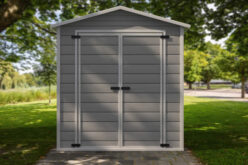
Image credit: in-home sauna by envato.com
end of post … please share it!
| more photo remodeling |
Jump Over to Our Photo Analysis Center for Ideas on
"Renovating Home"
|__________________________________________________________|
home remodeling surprise
find out where it might go - new win


Helpful article? Leave us a quick comment below.
And please share this article within your social networks.