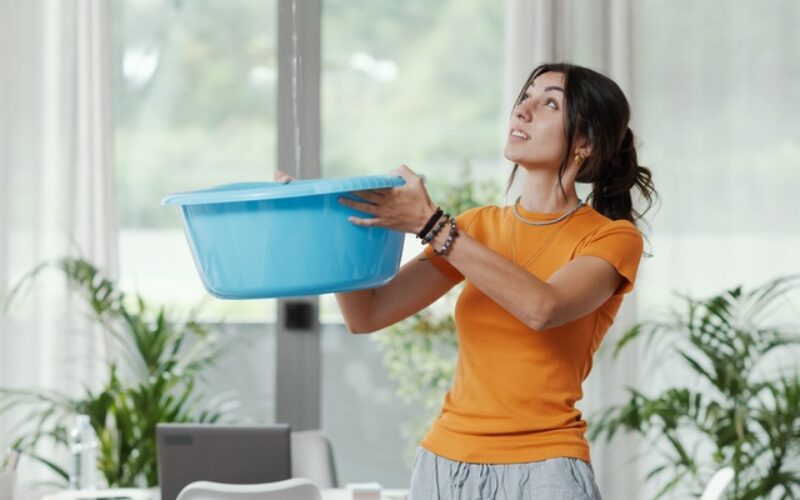
But water intrusion is relentless. By the time you see physical signs of moisture on your walls or floors, the situation behind the drywall often looks much worse.
Water damage happens fast, and the consequences compound the longer you wait. Here’s why you should never ignore water damage in your home.
Health Hazards
Moisture creates the perfect breeding ground for mold and mildew. These fungi can colonize damp drywall and insulation within 24 to 48 hours. Once mold takes hold, it releases spores into the air, which drastically lowers your indoor air quality.
Your HVAC system can then circulate these spores to every room in the house. Scrubbing the visible surface mold usually fails to solve the problem because the root system lives deep inside the porous materials of your home.
Structural Integrity Risks
Water destroys building materials. It rots wood, rusts metal, and disintegrates drywall. When water soaks into your subfloor or wall studs, it compromises the structural integrity of the house. Over time, floorboards warp, ceilings sag, and support beams weaken.
In severe cases, the damage can become so extensive that a simple patch job will not suffice. If the structural components are too far gone, you might need to consider demolition for your property to remove the unsafe sections and start fresh.
The Financial Consequences of Waiting
Procrastination hurts your wallet. A small leak is relatively cheap to fix. A flooded basement with structural rot is not. Furthermore, insurance companies expect homeowners to perform regular maintenance. If an adjuster determines that the damage resulted from a long-term leak you ignored, they may deny your claim.
Watch for these subtle signs that water is hurting your home:
- Musty, damp odors that won’t go away
- Peeling or bubbling paint on walls
- Unexplained spikes in your water bill
- Warped or cupping floorboards
The Value of Professional Help
Many homeowners try to handle water cleanup with a shop vacuum and some fans. Unfortunately, domestic tools rarely extract enough moisture to prevent secondary damage. Water hides behind baseboards and under cabinets where airflow cannot reach.
This is where experts save the day. The benefits of hiring a professional restoration contractor include access to industrial-grade dehumidifiers and thermal imaging cameras. These pros can identify exactly where the moisture traveled and ensure the area is dry before reconstruction begins.
Protect Your Investment
Water damage does not resolve itself; it only spreads and grows more expensive. Inspect your plumbing, roof, and foundation regularly. If you find a leak, fix it immediately, and never ignore water damage in your home.
Image Credentials: water damage in you home by StockPhotoPro, 517637559
|__________________________________________________________|
home remodeling surprise
find out where it might go - new win


Helpful article? Leave us a quick comment below.
And please share this article within your social networks.