Quick Answer:
Vintage furniture works because it pairs a story with sustainability. Each piece carries history, a visible craftsmanship, and a lower environmental footprint than buying new. Homeowners can find quality vintage pieces at estate sales, thrift stores, and online marketplaces, then repair and personalize them with simple tools, basic safety precautions, and a bit of patience.
This interest shows up across search engines and social platforms alike. People search for vintage furniture because they want something specific: a certain era, a particular wood grain, a shape they remember from a grandparent’s home.
On social platforms, the appeal shifts slightly toward the transformation itself—the before-and-after of a thrift flip, the satisfaction of restoring something forgotten, the pride of building a one-of-a-kind room.
This guide walks through why vintage furnishings resonate so strongly right now, how to find quality pieces, what repair and styling techniques actually work, and how to avoid the mistakes that trip up first-time collectors.
- post content
- Why Vintage Furniture Is Trending Now
- The Story Behind Every Thrift Flip
- How To Source Quality Vintage Pieces
- Simple Repair And Styling Techniques
- Weighing The Financial And Environmental Benefits
- Creating Meaningful Spaces With Timeless Furnishings
- FAQs
- view table:content summary
- view notes:collective tips
- view analysis: Best Multifunctional Furniture for Home
- price/shop:home furniture
Why Vintage Furniture Is Trending Now
Vintage furniture shows up consistently in search behavior because homeowners are looking for something specific, not generic. A buyer searching for a “mid-century credenza” or “art deco vanity” already knows what they want; they are hunting for the right piece, not browsing a catalog of lookalikes.
Social platforms tell a slightly different story. Pinterest’s Spring Trend Report 2026 points to personalization as a leading theme, with homeowners reaching for bold, expressive colors like moody blue and vintage pink to make their spaces feel distinctly their own (Pinterest Newsroom, 2026).
That same desire for individuality explains why repairing, altering, and personalizing older furniture resonates on social feeds: a repainted cabinet or reupholstered chair becomes a visible expression of taste rather than a default purchase.
Pinterest Predicts 2026 and coverage from Martha Stewart both describe a broader shift away from minimalism toward maximalist choices—sculptural silhouettes, bold stripes, and statement pieces that Boomers and Millennials are both embracing (Pinterest Predicts, 2026; Martha Stewart, 2026).
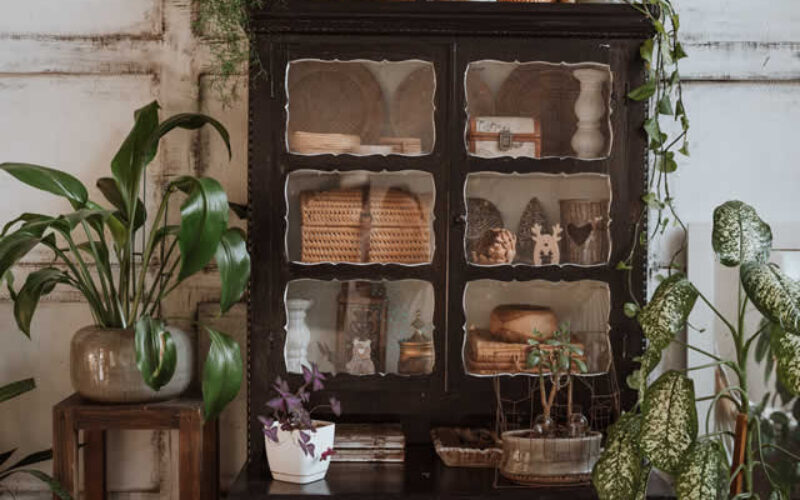
Vintage furniture fits naturally into that shift because older pieces often carry the sculptural detailing and craftsmanship that mass-produced furniture rarely replicates.

The Story Behind Every Thrift Flip
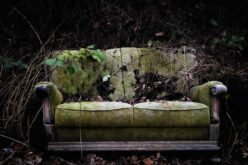
A thrift flip succeeds because of the narrative attached to it. The piece was discovered somewhere unexpected, overlooked by other shoppers, and brought home with potential rather than polish.
The transformation that follows—stripped paint, new upholstery, a fresh coat of stain—turns an ordinary object into a meaningful one.
-
Why Personalization Matters More Than Perfection
Homeowners rarely want a piece that looks factory new. A visible repair, a slightly mismatched hardware swap, or a color choice that breaks from convention signals that the piece was chosen and shaped deliberately. That imperfection is often the entire point.
This approach to furnishing a home also supports sustainable living. Repairing and personalizing an existing piece keeps it in use rather than sending it to a landfill, while still allowing homeowners to update its appearance to match current taste.
when shopping – consider multi-functional furniture
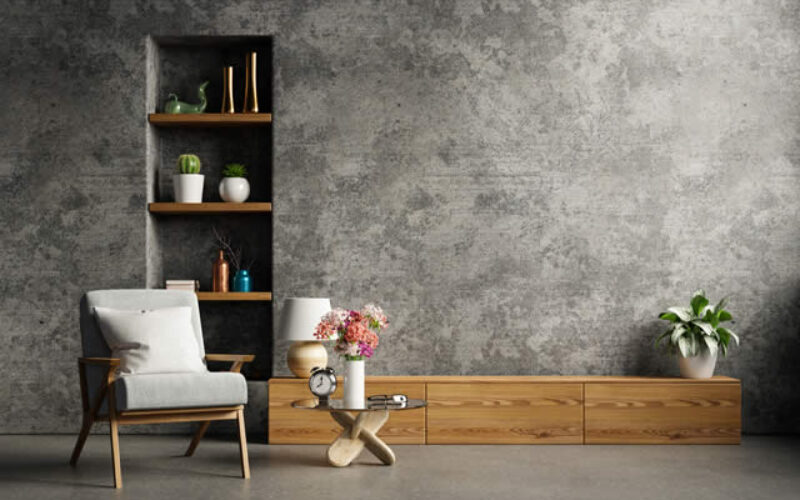
The Best Multifunctional Furniture for Your Home
Give your interior design some flexibility by shopping for the best multifunctional furniture for your home.
How To Source Quality Vintage Pieces
Finding a quality vintage piece starts with knowing where to look and what to check once you find something promising. Estate sales, thrift stores, consignment shops, and online marketplaces each offer different advantages.
Estate sales often include furniture with minimal wear from careful original owners. Thrift stores require more patience but can surface unexpected finds at low prices.
Online marketplaces widen the search radius considerably, though they require careful attention to listing photos and seller descriptions.
-
What To Check Before You Buy
Examine joints and drawer construction closely. Dovetail joints, solid wood frames, and sturdy corner blocks typically indicate better craftsmanship than glued particleboard.
Check for structural stability by gently rocking the piece and opening every drawer or door. Look closely at upholstered pieces for hidden water damage, odors, or signs of pests, since these issues are costly to fix after purchase.
If a piece has an older painted or varnished finish and was likely made before 1978, it is worth testing for lead paint before sanding or refinishing. A simple at-home test kit can confirm this quickly and protect your household during the repair process.
Simple Repair And Styling Techniques
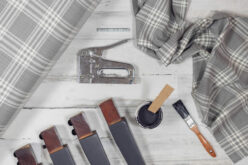
Most vintage furniture repairs do not require professional restoration skills. Loose joints can often be tightened with wood glue and clamps. Scratched or faded wood surfaces respond well to light sanding followed by fresh stain or oil.
Upholstered pieces can be refreshed with new fabric, foam, or simply a thorough cleaning, depending on the extent of wear.
-
Work Safely And Ventilate Properly
Sanding, staining, and painting should always happen in a well-ventilated space, ideally outdoors or in a garage with the door open.
Wear a dust mask when sanding older finishes, and check wooden pieces for wood-borer activity—small round exit holes are the telltale sign—before bringing them indoors.
-
Styling Vintage Pieces In A Modern Room
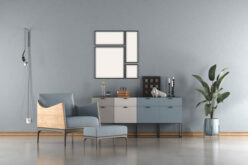
Vintage furniture works best in modern interiors when it is paired with a few contemporary elements rather than surrounded by an entirely period-accurate room.
A single vintage armchair next to a modern sofa, or an antique mirror above a simple console table, lets the older piece stand out as a focal point instead of blending into a themed set.
Weighing The Financial And Environmental Benefits
Choosing vintage furniture over new pieces carries real environmental weight. According to EPA, 2018 data, furniture and furnishings generated 12.1 million tons of municipal solid waste that year, representing 4.1% of total waste generation, up sharply from 2.2 million tons in 1960.
Of that total, 80.1% was landfilled, roughly 9.68 million tons, while only 40,000 tons were recycled (EPA, Durable Goods: Product-Specific Data, page updated October 19, 2026). Extending the life of an existing piece through repair keeps it out of that waste stream entirely.
Financially, vintage furniture often delivers solid construction at a price that reflects its age rather than its quality. A well-made vintage dresser or dining table can outlast several generations of lower-cost new furniture, making the upfront investment in repair or reupholstery worthwhile over time.
-
Building A Collection Without Overspending
Start with one or two statement pieces rather than furnishing an entire room at once. Buy pieces you genuinely love, since a vintage item chosen for its story will hold your interest far longer than one bought simply to fill space.
Keep a short list of dimensions and styles you need before shopping, so you can move quickly when the right piece appears.
-
Common Mistakes To Avoid
First-time buyers often overlook structural damage in favor of surface appeal, buy pieces that do not fit their space, or attempt a full strip-and-refinish without testing for lead paint first.
Skipping a careful inspection before purchase is the most common and most costly mistake, since repairs for structural issues can quickly outweigh the original purchase price.
Creating Meaningful Spaces With Timeless Furnishings
Vintage furniture rewards patience. The search for the right piece, the care taken during repair, and the thoughtful styling that follows all contribute to a home that feels personal rather than purchased off a shelf.
Start with one piece, inspect it carefully, repair it safely, and let its story become part of your home’s own.
A few collective tips worth remembering: inspect joints and drawers before buying, test older finishes for lead paint, ventilate your workspace during repairs, and choose pieces you genuinely love rather than ones that simply fill a gap.
Small, deliberate choices like these keep vintage furniture both safe to restore and satisfying to live with for years.
Balancing Vintage and Modern
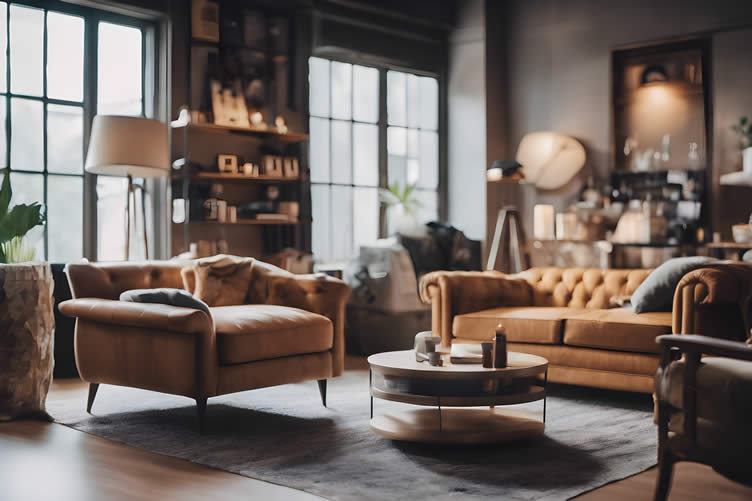
Integrating a vintage furniture piece into a modern kitchen or dining area can be tricky, especially with an open floor plan where visual harmony is crucial.
A mismatched aesthetic might create an unintended clash between spaces.
However, if your floor plan includes distinct zones, you have the flexibility to position your vintage find in a way that complements a defined area, while letting the modern design shine in another.
Thoughtful placement ensures each zone reflects its intended mood without overpowering the overall flow of your home.
view ideas: How To Define Zones (new win)
Frequently Asked Questions
-
Is vintage furniture more expensive than buying new?
Vintage furniture prices vary widely depending on age, condition, and craftsmanship, but well-made pieces often cost less than comparably sturdy new furniture, especially once repair costs are factored in.
-
How long does it take to repair a vintage furniture piece?
Simple repairs like tightening joints or refreshing a finish can take a weekend, while reupholstering or full refinishing projects often take one to two weeks, depending on drying and curing times.
-
What tools do I need to start restoring vintage furniture?
A basic toolkit includes sandpaper, wood glue, clamps, a putty knife, a dust mask, and either stain or paint, along with a screwdriver set for any hardware adjustments.
-
Is it safe to sand old painted furniture?
Furniture painted before 1978 may contain lead paint, so test the finish with a lead test kit before sanding, and always wear a dust mask and work in a ventilated area.
-
Where is the best place to buy vintage furniture?
Estate sales, consignment shops, thrift stores, and online marketplaces each offer different advantages; estate sales tend to have better-maintained pieces, while thrift stores and online listings require more careful inspection.
-
How can I tell if a vintage piece is good quality?
Check for dovetail joints, solid wood construction, sturdy corner blocks, and stable drawers or doors. Avoid pieces with glued particleboard or visible water damage.
-
Does repairing vintage furniture affect its resale value?
Thoughtful, well-executed repairs generally preserve or improve a piece’s usability and appeal, while heavy-handed restoration that removes original character can sometimes reduce interest among collectors seeking authenticity.
-
Is choosing vintage furniture actually better for the environment?
Yes. According to EPA, 2018 data, the vast majority of discarded furniture is landfilled rather than recycled, so extending a piece’s life through repair keeps it out of that waste stream.
-
Who should consider collecting vintage furniture?
Homeowners who want a personalized, story-driven home rather than a matched furniture set are well suited to vintage collecting, especially those willing to invest time in sourcing and basic repair work.
home improvement ideas to consider (complete directory – new win):


| Section | Description | Key Insights |
|---|---|---|
| Introduction | Explains the appeal and value of vintage furniture, emphasizing its combination of history, sustainability, and personalization. | Vintage furniture offers character and individuality while reducing environmental impact. Sourcing can involve estate sales, thrift stores, and online platforms. |
| Current Trends | Discusses why vintage furniture is trending and how it caters to the desire for unique, personal spaces. | Homeowners seek specific eras and styles. Platforms like Pinterest highlight personalization and bold aesthetics in vintage choices. |
| Sourcing Tips | Guides buyers on how to find quality vintage furniture, including what to inspect before purchasing. | Key sources include estate sales, thrift stores, and online marketplaces. Inspection of joints, construction, and upholstery is crucial. |
| Repair and Styling | Outlines simple methods for repairing and integrating vintage pieces into modern interiors. | Basic repairs like tightening joints or reupholstering can restore pieces. Modern elements enhance vintage furniture in contemporary settings. |
| Environmental and Financial Benefits | Explores the sustainability advantages of vintage furniture and ways to build a collection affordably. | Repairing vintage furniture reduces waste. Careful shopping and starting with statement pieces can help manage costs. |
| Common Mistakes | Highlights errors often made by first-time buyers and restorers. | Overlooking structural issues and neglecting safety practices like lead paint testing can lead to costly problems. |
| Creating Meaningful Spaces | Concludes by emphasizing the value of vintage furniture in crafting personal, timeless homes. | Patience in finding, repairing, and styling vintage pieces leads to rewarding and unique living spaces. |

Find Interior Design Services Decorators Interior Designers Furniture Painting & Staining top-rated, pre-screened local contractors FREE: download contractor selection enter zip code – powered by HomeAdvisor ™


Image credit: vintage furniture by envato.com
end of post … please share it!
| more photo remodeling |
Jump Over to Our Photo Analysis Center for Ideas on
"Renovating Home"
|__________________________________________________________|
home remodeling surprise
find out where it might go - new win


Helpful article? Leave us a quick comment below.
And please share this article within your social networks.