
Winter brings freezing temperatures, heavy precipitation, and changing conditions that can challenge even a well-maintained roof. Small problems that seem harmless during autumn may become expensive leaks once snow accumulates. Learning how to prepare your roof for winter weather helps you identify vulnerable areas before storms arrive. A thoughtful maintenance routine also protects your home's interior and reduces the likelihood of emergency repairs. Start early enough to address concerns safely, especially if your region experiences sudden temperature drops or prolonged snowfall.
Inspect Your Roof Before Temperatures Drop
Begin with a careful inspection from the ground using binoculars or a camera with a zoom lens. Look for missing shingles, uneven rooflines, or sections that appear noticeably different from surrounding surfaces. Pay attention to areas where branches have scraped the roof or recent storms may have loosened materials. These visible clues can indicate problems that deserve professional attention.
Schedule a roofing inspection if you notice suspicious damage or cannot assess important sections from a safe location. A qualified contractor can examine vulnerable details without exposing you to the risks of climbing onto a roof. Ask for photographs of any identified concerns and a clear explanation of recommended repairs. Addressing minor defects now can prevent moisture from reaching the underlying structure during winter storms.
Repair Loose or Damaged Shingles
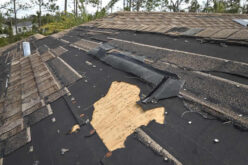
Shingles create a protective barrier against wind-driven rain and melting snow. When individual pieces curl, crack, or detach, water may reach the layers beneath them. Strong winter winds can also lift weakened shingles and enlarge existing openings. Replace damaged materials promptly rather than waiting for a leak to appear indoors.
Check whether the surrounding shingles show widespread wear before approving isolated repairs. A contractor may recommend more extensive work if the roof has reached the end of its useful life. Discuss compatible replacement materials and proper installation methods so repairs withstand seasonal changes. Avoid applying temporary patches as a substitute for correcting the underlying problem.
Clean Gutters and Check Downspouts
Fallen leaves can clog gutters just as freezing weather approaches. Blocked channels prevent melting snow from draining away from the roof edge. Water may overflow against fascia boards or freeze where it collects, creating additional pressure on vulnerable materials. Remove accumulated debris and confirm that water can travel freely through every downspout.
Inspect gutter brackets and seams for loose connections while you arrange cleaning. Sagging sections may hold standing water, which becomes heavier when it freezes. Direct downspout discharge away from your foundation to limit moisture problems around the house. Consider professional gutter cleaning when access requires ladders or work near electrical lines.
Protect Against Ice Dams
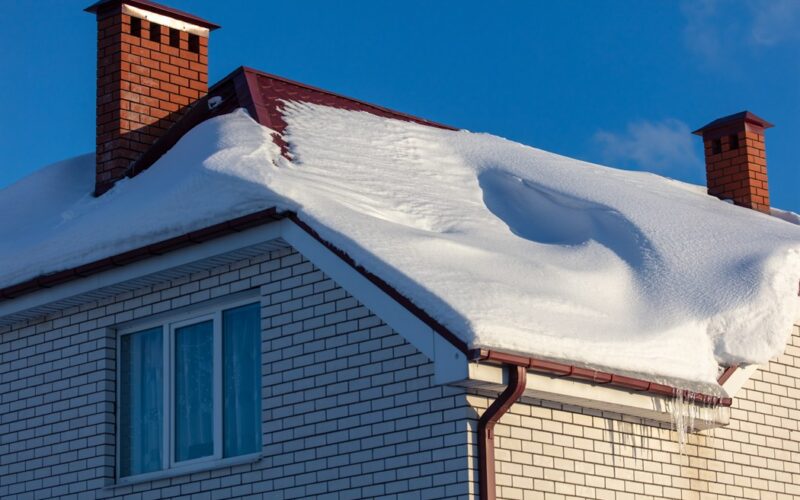
Ice dams form when snow melts on warmer roof sections and refreezes near colder edges. The resulting ridge can trap water behind it, allowing moisture to work beneath roofing materials. Understanding why winter ice can damage roofing materials helps homeowners recognize the importance of controlling uneven roof temperatures. Prevention usually starts inside the home rather than with repeated removal of ice outdoors.
Check attic insulation and ventilation with help from a qualified professional when necessary. Seal air leaks around attic access points and other penetrations to reduce warm air escaping into the roof space. Maintain clear ventilation pathways so the roof deck stays closer to outdoor temperatures. Never chip away ice with sharp tools, since these can puncture shingles and create new leaks.
Examine Flashing and Roof Penetrations
Flashing directs water away from joints where roofing meets chimneys, walls, or vents. These transitions experience movement as temperatures change, making them important inspection points. Rusted metal, separated seams, or deteriorating sealant may create paths for moisture to enter. Ask your roofer to check flashing carefully during a seasonal inspection.
Pay attention to plumbing vent boots and other seals around roof penetrations. Rubber components can crack over time, particularly after repeated exposure to sunlight and extreme temperatures. Replace deteriorated components before snow hides the affected areas. Properly installed flashing offers more dependable protection than simply spreading caulk over a damaged joint.
Trim Overhanging Tree Branches
Branches hanging above your roof can break under the weight of ice or wet snow. Even smaller limbs may scrape shingles during strong winds, gradually wearing away their protective surfaces. Walk around your property and identify trees that could threaten the roof or obstruct drainage. Arrange trimming before winter weather makes outdoor work more difficult.
Hire a qualified tree professional for large branches or limbs near power lines. Avoid cutting overhead branches yourself when their weight or direction of fall is unpredictable. Remove loose twigs from accessible ground areas after trimming so they do not enter drainage systems. Maintaining reasonable clearance also helps reduce the buildup of leaves on the roof.
Look for Attic Moisture Problems
Your attic can reveal roof problems before stains appear on finished ceilings. Inspect accessible areas for damp insulation, darkened wood, or a persistent musty smell. Check around vents and roof joints for signs of water intrusion after rainfall. Use a flashlight and remain on secure walking surfaces rather than stepping between ceiling joists.
Moisture does not always come from an exterior leak. Warm indoor air can condense against cold surfaces when insulation or ventilation performs poorly. A roofing or insulation specialist can help identify the source before you invest in repairs. Correcting the actual cause protects wood framing and supports more consistent indoor temperatures throughout winter.
Prepare for Heavy Snow Safely
Learn whether your roof has any structural concerns that could make heavy snow accumulation especially risky. Older roofs and buildings with previous water damage may need professional evaluation. Watch for unusual sagging or other signs of distress, and seek immediate expert advice if they appear. Do not assume every roof can handle the same snow load.
Keep a reputable roofing contractor's contact information available before severe weather begins. If snow removal becomes necessary, hire professionals who understand appropriate equipment and fall protection. Avoid walking on icy roofing or striking frozen buildup with household tools. Planning ahead gives you safer options when conditions deteriorate quickly. Keep records of repairs for future maintenance conversations.
Keep Your Roof Ready All Winter
Knowing how to prepare your roof for winter weather means treating maintenance as an ongoing responsibility rather than a single autumn chore. Recheck visible roof areas after major storms and monitor ceilings for new stains. Arrange prompt professional help when you notice damage instead of allowing moisture to spread. With timely inspections and sensible preventive work, you can help your roof withstand harsh conditions while protecting the comfort of your home.
Image Credentials: By schankz, #304640895
|__________________________________________________________|
home remodeling surprise
find out where it might go - new win


Helpful article? Leave us a quick comment below.
And please share this article within your social networks.