Quick Answer:
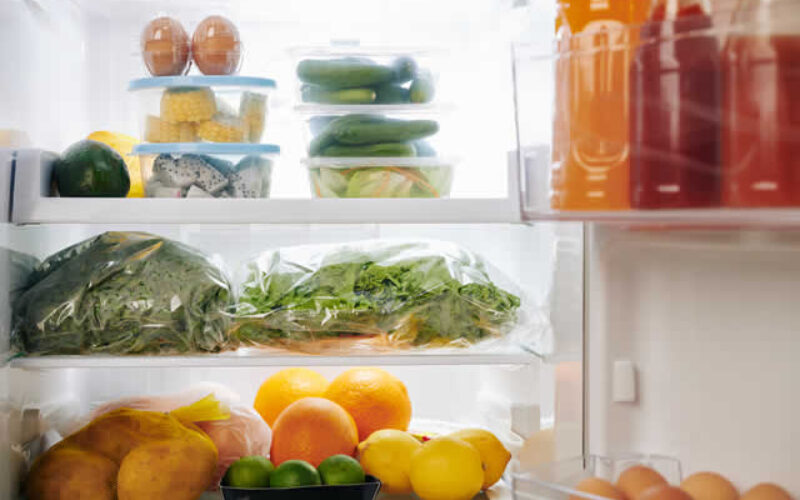
The best way to organize your refrigerator is by storing foods according to temperature zones. Keep raw meat on the bottom shelf, dairy products on the middle shelves, leftovers on the upper shelves, fruits and vegetables in separate crisper drawers, and condiments in the door. This simple system helps food stay fresh longer, reduces waste, and improves food safety.
Once I started placing foods where they stayed freshest instead of wherever they fit, I noticed produce lasted longer, leftovers were easier to find, and I wasted far less food.
The good news is that you don’t need expensive organizers or a new refrigerator. A few simple storage habits can help your groceries last longer, make meal planning easier, and reduce the risk of foodborne illness.
If you’re also looking to improve your kitchen’s functionality and style, these contemporary kitchen design ideas can help you create a space that’s both practical and beautiful.
- post content
- Why Refrigerator Organization Matters
- Organize Your Refrigerator by Temperature Zone
- Check Cooling Before Reorganizing
- A Simple Weekly Refrigerator Organization Routine
- Common Refrigerator Organization Mistakes
- Simple Habits That Help Food Stay Fresh Longer
- Signs Your Refrigerator May Need Maintenance
- FAQs
- Final Remarks
- view table:content summary
- view notes:collective tips
- view analysis:Reviewing Smart Refrigerators
- view ideas:latest remodeling analysis
Why Refrigerator Organization Matters
Although your refrigerator is designed to keep food cold, every shelf isn’t the same temperature. Cold air naturally settles toward the bottom, while the door experiences the biggest temperature swings every time it’s opened.
Using these temperature zones correctly helps:
- Keep food fresh longer
- Reduce food waste
- Prevent cross-contamination
- Improve airflow for consistent cooling
- Make groceries easier to find before they expire
Instead of squeezing groceries into any available space, assign each type of food to the area where it stores best.

Organize Your Refrigerator by Temperature Zone
| Area | Best Foods |
|---|---|
| Upper Shelves | Leftovers, cooked meals, drinks, ready-to-eat foods |
| Middle Shelves | Milk, yogurt, cheese, eggs |
| Bottom Shelf | Raw meat, poultry, seafood |
| Crisper Drawers | Fruits and vegetables |
| Door | Condiments, sauces, butter, juice |
Following this layout helps maximize freshness while improving food safety.
-
Upper Shelves
The upper shelves are best for foods that are already cooked or ready to eat, including leftovers, meal-prepped lunches, beverages, and snacks.
Keep leftovers at eye level so they’re easy to spot before they spoil. Labeling containers with the preparation date also makes it easier to use older meals first.
-
Middle Shelves
Middle shelves provide one of the most consistent temperatures inside the refrigerator, making them ideal for dairy products.
Store:- Milk
- Eggs
- Yogurt
- Cheese
- Cottage cheese
Although many refrigerators have built-in egg holders and milk compartments in the door, these items stay fresher on an interior shelf where temperatures fluctuate less.
-
Bottom Shelf
The bottom shelf is usually the coldest area of the refrigerator, making it the safest place for raw meat, poultry, and seafood.
Always store raw proteins in sealed containers or on a tray to catch leaks and prevent juices from contaminating ready-to-eat foods.
If possible, keep all raw meat together in one section to make cleanup easier and reduce the risk of cross-contamination.
-
Crisper Drawers
Crisper drawers are designed to control humidity, helping fruits and vegetables stay fresh longer.
Use the high-humidity drawer for vegetables such as:- Lettuce
- Spinach
- Kale
- Broccoli
- Carrots
- Fresh herbs
Use the low-humidity drawer for fruits that produce ethylene gas, including:
- Apples
- Pears
- Peaches
- Avocados
Keeping fruits separate from leafy vegetables slows premature ripening and reduces spoilage.
For the best results, avoid washing produce before storing it.Extra moisture encourages mold growth. Instead, wash fruits and vegetables just before eating or cooking.
-
The Refrigerator Door
Because it’s exposed to warm air whenever the door is opened, this is the warmest part of the refrigerator.
Reserve it for items that are less sensitive to temperature changes, such as:- Condiments
- Salad dressings
- Jams
- Pickles
- Butter
- Juice
Avoid storing milk or eggs in the door, even if your refrigerator includes built-in compartments for them.
Check Cooling Before Reorganizing
If food continues spoiling even after you’ve organized your refrigerator correctly, the appliance itself may be the problem.
Common causes include:
- Dirty condenser coils
- A worn door gasket
- Blocked air vents
- Incorrect temperature settings
- Overcrowded shelves restricting airflow
A refrigerator should maintain a temperature of 40°F (4°C) or below. An inexpensive appliance thermometer is one of the easiest ways to confirm it’s cooling properly.
If food continues spoiling despite proper organization, you may wonder, does my refrigerator need Freon? While low refrigerant is possible, it’s far more common for cooling problems to stem from dirty coils, a worn door gasket, or restricted airflow.
upgrading to smart refrigerators for better food preservation
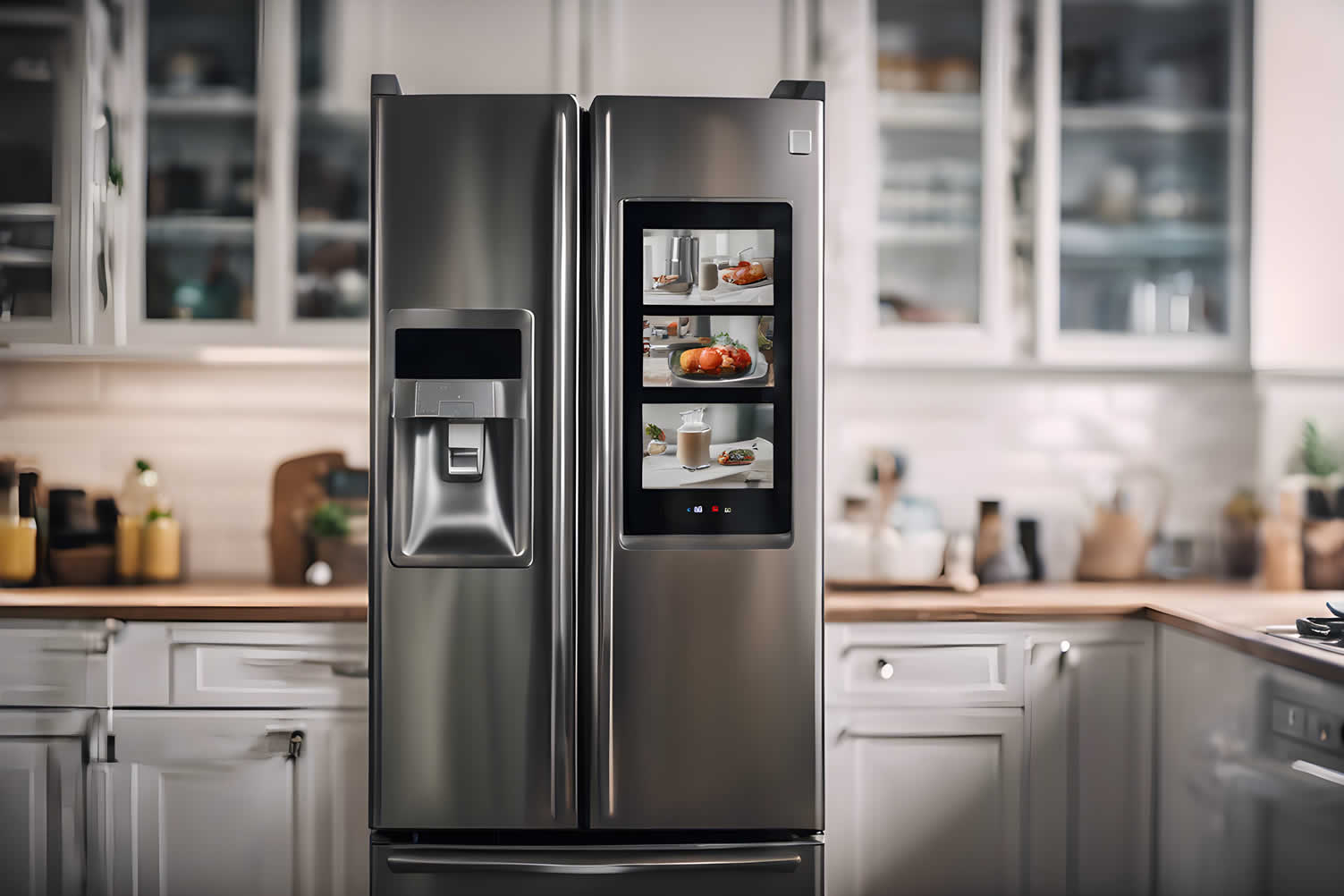
Reviewing Smart Refrigerators: The Ultimate Kitchen Upgrade
Glimpse into the future of food preservation and kitchen organization, with abilities to track expiration dates, generate shopping lists, and integrate seamlessly with other smart devices.
A Simple Weekly Refrigerator Organization Routine
Keeping your refrigerator organized doesn’t require a complete overhaul every week. Spending just 10 to 15 minutes after grocery shopping can help food stay fresh longer and reduce waste.
-
1. Remove Expired Food
Before putting away new groceries, check expiration dates and discard spoiled leftovers. This frees up space and prevents older food from getting pushed to the back.
-
2. Group Similar Items Together
Store similar foods in the same area so they’re easier to find. For example:
- Dairy products together
- Drinks together
- Lunch ingredients together
- Snacks together
- Condiments together
Using clear bins can help keep shelves organized without making them feel cluttered.
-
3. Put Food in the Right Temperature Zone
As you restock, place each item where it belongs:
- Raw meat on the bottom shelf
- Dairy on the middle shelves
- Leftovers on the upper shelves
- Produce in the correct crisper drawer
- Condiments in the door
This simple habit can noticeably extend the life of many foods.
-
4. Rotate Older Food to the Front
Follow the "first in, first out" method by placing newer groceries behind older ones. Keeping leftovers and foods with earlier expiration dates at the front helps reduce waste.
-
5. Leave Room for Airflow
Avoid overpacking shelves. Cold air needs space to circulate, and overcrowding can create warm spots that shorten the shelf life of your groceries.
Common Refrigerator Organization Mistakes
Even with the best intentions, a few common habits can shorten the life of your food.
-
Storing Milk and Eggs in the Door
The refrigerator door experiences the greatest temperature changes. Store milk and eggs on an interior shelf where temperatures remain more stable.
-
Mixing Fruits and Vegetables
Many fruits release ethylene gas, which speeds up ripening. Keeping apples, pears, or avocados with leafy greens can cause vegetables to spoil much sooner.
-
Forgetting About Leftovers
Leftovers hidden behind larger containers often end up in the trash. Store them at eye level and label them with the date they were prepared.
-
Overcrowding the Refrigerator
Packing shelves too tightly blocks airflow, making it harder for the refrigerator to maintain a consistent temperature.
-
Ignoring Warning Signs
If food continues spoiling even after you’ve organized your refrigerator correctly, the issue may be mechanical rather than organizational.
something of interest below
Discover the Hidden Health Risks Lurking at Home
From the food we consume to the products we use daily, harmful chemicals and substances are often part of our routines without us even realizing it.
Simple Habits That Help Food Stay Fresh Longer
A few small habits can make just as much difference as organizing your shelves.
- Label leftovers with the date they were prepared.
- Wash produce just before using it instead of before storing it.
- Keep your refrigerator at or below 40°F (4°C).
- Clean condenser coils once or twice a year for better efficiency.
- Check the door gasket occasionally to make sure it seals tightly.
These simple steps can help reduce food waste while improving your refrigerator’s performance.
Signs Your Refrigerator May Need Maintenance
Proper organization won’t solve every food storage issue. If you notice any of the following, your refrigerator may need attention:
- Food spoils before its expiration date.
- Milk turns sour unusually quickly.
- Frost builds up inside the refrigerator.
- Water collects beneath drawers.
- The refrigerator runs constantly or seems unusually loud.
- The door doesn’t seal tightly.
Addressing these problems early can prevent unnecessary food waste and help avoid more expensive repairs.
-
When Organization Isn’t the Problem
If you’ve organized your refrigerator correctly but food still spoils quickly, the issue may be the appliance itself. Problems such as a worn door gasket, dirty condenser coils, blocked airflow, or a failing thermostat can prevent your refrigerator from maintaining a safe temperature.
For homeowners in the Atlanta area, Appliance EMT can inspect your refrigerator, diagnose cooling problems, and recommend the right repair instead of unnecessary part replacements.
Addressing cooling issues early can help prevent food waste and extend the life of your appliance.
Frequently Asked Questions
-
What temperature should a refrigerator be?
The USDA recommends keeping your refrigerator at or below 40°F (4°C) and your freezer at 0°F (-18°C). Using an appliance thermometer is the easiest way to verify that your refrigerator is maintaining a safe temperature.
-
Where should I store milk and eggs?
Store both on an interior shelf rather than in the refrigerator door. Interior shelves maintain a more consistent temperature, helping these foods stay fresh longer.
-
How often should I clean my refrigerator?
Wipe up spills as they happen and check for expired food every week. A thorough cleaning once a month helps prevent odors, improves organization, and keeps your refrigerator running efficiently.
-
Why does my produce spoil so quickly?
Produce often spoils early because of incorrect humidity settings, excess moisture, overcrowded shelves, or storing ethylene-producing fruits with vegetables. Separating produce correctly and using the appropriate crisper drawer can significantly extend freshness.
-
Is it okay to refrigerate hot food?
Allow hot food to cool slightly before refrigerating it, but don’t leave it at room temperature for more than two hours. Dividing large portions into smaller containers helps food cool more quickly and safely.
mportance of Quality Cookware in Food Preparation
Just as a refrigerator is vital for preserving food freshness and safety, the cookware you use plays an equally important role in how your meals are prepared.
High-quality cookware ensures even heat distribution, prevents food from sticking, and retains nutrients, making every dish more flavorful and nourishing.
Additionally, durable and well-designed cookware can withstand the test of time, reducing waste and contributing to a more sustainable kitchen.
Investing in reliable cookware is not just about convenience—it’s about honoring the effort and care that goes into creating healthy, delicious meals.
view ideas: Mastering Modern Cookware (new win)

Final Thoughts
Organizing your refrigerator isn’t just about creating neat shelves. It’s one of the simplest ways to keep food fresh longer, reduce waste, and improve food safety.
Start by storing foods according to their temperature needs. Keep raw meat on the bottom shelf, dairy products on interior shelves, produce in the appropriate crisper drawers, and condiments in the door.
Pair these habits with regular cleaning, proper airflow, and routine temperature checks to get the best performance from your refrigerator.
You don’t have to reorganize everything at once. Making a few small changes each week can quickly become routine, helping you waste less food, save money on groceries, and make meal planning easier.
If food continues spoiling despite proper organization, the problem may not be your storage habits. Checking the refrigerator’s temperature, door seal, and overall cooling performance can help determine whether maintenance is needed before a small issue becomes a costly repair.
home improvement ideas to consider (complete directory – new win):


| Topic | Description | Key Points |
|---|---|---|
| Refrigerator Organization | Organizing your refrigerator helps to reduce food waste, improve safety, and maintain food freshness. It involves grouping similar items, utilizing temperature zones, and rotating food. | Freshness, Safety, Waste Reduction |
| Temperature Zones | Different parts of the refrigerator maintain varying temperatures. The upper shelves are for ready-to-eat foods, the middle for dairy, the bottom for raw meats, and crisper drawers for produce. | Proper Food Placement |
| Common Mistakes | Misplacing items, such as storing milk or eggs in the door or overcrowding shelves, can result in quicker spoilage and reduced refrigerator efficiency. | Correct Storage Habits |
| Maintenance | Maintaining your refrigerator by cleaning condenser coils, checking door gaskets, and ensuring correct temperature settings prevents issues like spoilage and inefficiency. | Periodic Checks |
| Frequently Asked Questions | Includes inquiries such as the recommended temperature for refrigerators, how to store specific items, and tips to prevent produce from spoiling prematurely. | Practical Tips |

Find Household Appliance Services Appliances Appliance Install Appliance Repair Electrical top-rated, pre-screened local contractors FREE: download contractor selection enter zip code – powered by HomeAdvisor ™


Image credit: by envato.com
end of post … please share it!
| more photo remodeling |
Jump Over to Our Photo Analysis Center for Ideas on
"Renovating Home"
|__________________________________________________________|
home remodeling surprise
find out where it might go - new win


Helpful article? Leave us a quick comment below.
And please share this article within your social networks.