
A home feels more comfortable when rooms connect naturally and support everyday routines. Whether a renovation focuses on a single area or an entire floor plan, creating better flow between connected living spaces can influence how welcoming a home feels. Homeowners frequently focus on finishes and furnishings, yet the relationship between rooms influences shaping the overall experience.
When planning updates, paying attention to movement patterns and visual connections can create a layout that feels intentional. Thoughtful design choices allow connected living spaces to function as a cohesive whole.
Consider Sightlines Throughout the Home
The view from one room into another shapes how people perceive a space. Long, unobstructed sightlines can make a home feel larger, while poorly placed walls or bulky features may interrupt the natural flow between areas.
During a remodel, homeowners may benefit from evaluating what is visible from key gathering spots, such as the kitchen, dining room, or family room. Creating visual connections between these spaces can establish a stronger sense of openness without requiring a completely open floor plan.
Use Consistent Design Elements
Connected spaces feel more unified when they share common design features, such as flooring materials, trim styles, and color palettes. This can create visual continuity that guides the eye naturally from room to room.
Consistency starts with small variations that add personality, though repeating certain elements throughout the home creates a foundation that ties different spaces together. This approach can be particularly effective in homes that blend traditional and modern features.
Pay Attention to Architectural Transitions
Doorways, hallways, and staircases act as bridges between living areas, and when these transition points receive thoughtful attention, the layout feels more cohesive and balanced.
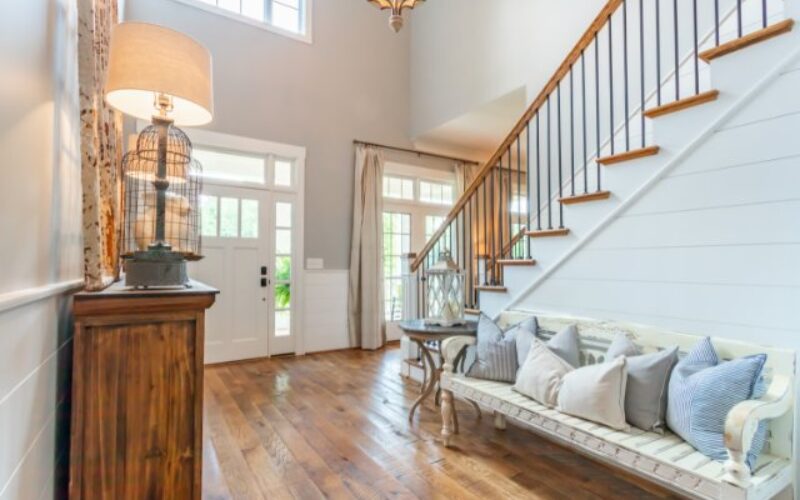
Architectural details can influence how people experience movement throughout a home. Discussions about proportion and balance frequently extend beyond individual rooms, which is one reason many designers note why symmetry matters in stair and railing design when evaluating how different areas connect visually.
Balance Openness With Definition
Open-concept layouts remain popular, yet completely removing boundaries between spaces is not always the best solution. Defined zones can improve functionality while maintaining a connected atmosphere.
Features, such as partial walls, built-in shelving, or changes in flooring can distinguish one area from another without creating visual barriers. These subtle divisions provide structure while preserving the sense of flow that many homeowners seek during renovations.
Bringing Spaces Together With Purpose
The idea behind creating better flow between connected living spaces goes beyond aesthetics. A home that supports natural movement and visual continuity tends to feel more comfortable for everyday activities and social gatherings.
Whether a renovation involves updating a single room or rethinking an entire floor plan, attention to sightlines, architectural transitions, and design consistency can create stronger connections throughout the home. When individual spaces work together, the entire property feels more harmonious and enjoyable to live in.
Image Credentials: By David, #214097786
|__________________________________________________________|
home remodeling surprise
find out where it might go - new win


Helpful article? Leave us a quick comment below.
And please share this article within your social networks.