Finding an effective and safe sidewalk weed killer requires careful consideration. By understanding your options and evaluating what best suits your needs, you can achieve great results while prioritizing safety.
The quest for the perfect driveway weed control solution has become more complex as homeowners increasingly prioritize health and environmental considerations.
While chemical herbicides like Roundup have long been the go-to choice for many, growing concerns about their long-term health and environmental impacts have prompted many to explore safer alternatives. The good news is that several effective methods exist, ranging from simple household solutions to certified organic products.
Your approach to weed control should match your specific needs, safety priorities, and environmental values. Whether you’re dealing with common dandelions sprouting between pavers or more concerning poisonous plants taking root near walkways, the right strategy can help you maintain beautiful outdoor spaces while protecting what matters most.
- post content
- Understanding the Risks: Chemical vs. Non-Chemical Approaches
- Non-Chemical Weed Control Methods
- Exploring Certified Organic Alternatives
- safety Considerations and Best Practices
- Addressing Noxious and Poisonous Plants
- long-term Weed Prevention Strategies
- Making the Right Choice for Your Home
- view table:content summary
- view key:collective notes
Understanding the Risks: Chemical vs. Non-Chemical Approaches
The debate surrounding chemical herbicides centers on their effectiveness versus potential health and environmental concerns. Traditional chemical weed killers work quickly and often provide longer-lasting results, but their active ingredients can persist in soil and potentially affect groundwater, beneficial insects, and human health.
Recent scientific studies and legal proceedings have raised questions about the safety of glyphosate-based herbicides, the active ingredient in many commercial weed killers. While regulatory agencies continue to evaluate the evidence, many homeowners prefer to err on the side of caution, especially when treating areas where children and pets frequently play.
Non-chemical approaches may require more frequent applications and involve more hands-on effort, but they offer peace of mind for families concerned about chemical exposure. These methods work through physical removal, heat application, or natural acids that break down plant structures without introducing synthetic compounds into your environment.

Non-Chemical Weed Control Methods
Several household items and manual techniques can effectively manage unwanted vegetation without relying on commercial herbicides. These organic weed control methods often prove surprisingly effective when applied correctly and consistently.
-
Boiling Water: Application Techniques and Effectiveness
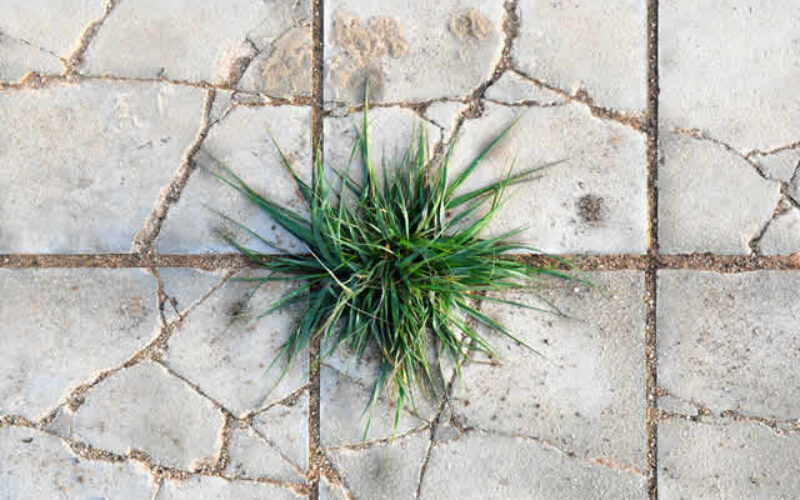
Boiling water offers one of the simplest and most immediate solutions for spot-treating weeds in cracks and crevices. The intense heat destroys plant cells on contact, causing visible wilting within hours. This method works best on young, tender weeds and requires direct application to the root system for maximum effectiveness.
Pour the boiling water slowly and carefully onto the target weeds, ensuring coverage reaches the base of the plant where it meets the soil. Safety remains paramount—wear protective clothing and closed-toe shoes to prevent accidental burns.
The method may require repeated applications for established weeds with deep root systems, but it provides an immediate, chemical-free solution for problem areas.
-
Vinegar: How to Use Vinegar Safely and Effectively
White vinegar with high acetic acid content (20% or higher) can serve as an effective natural herbicide for surface weeds. The acid disrupts plant cell walls and draws moisture from leaves, causing rapid dehydration and death.
Regular household vinegar (5% acetic acid) may work on very young weeds but lacks the strength for established plants.
Apply vinegar on sunny days when no rain is forecast for at least 24 hours. The combination of acid and UV exposure enhances effectiveness. Focus application on weed foliage rather than surrounding soil, as vinegar can temporarily lower soil pH and affect nearby desirable plants.
-
Manual Removal: Tools and Tips for Efficient Weed Removal
Hand-pulling remains the most thorough method for eliminating weeds, especially when soil conditions are favorable. The best time for manual removal is after rain or watering when soil is moist and roots release more easily.
Invest in proper tools to make the job more efficient and comfortable. Long-handled weeders help you avoid kneeling, while narrow-bladed tools can reach into tight cracks. Remove the entire root system to prevent regrowth, and dispose of pulled weeds properly to avoid spreading seeds to other areas of your property.

Exploring Certified Organic Alternatives
The organic herbicide market has expanded significantly, offering homeowners effective alternatives that meet strict certification standards. These products typically use naturally-derived ingredients like citric acid, corn gluten meal, or essential oils to suppress weed growth.
-
Identify Effective Organic Options
Look for products certified by recognized organic standards organizations. Iron-based herbicides work well on broadleaf weeds by causing rapid leaf burn, while corn gluten meal acts as a pre-emergent herbicide that prevents seeds from germinating.
Essential oil-based herbicides containing clove oil, citrus oil, or other plant extracts can provide quick knockdown of existing weeds.
Orange oil products have gained popularity for their effectiveness against a wide range of weeds while maintaining a pleasant scent during application. These products work by stripping the waxy coating from plant leaves, leading to dehydration and death.
-
How to Apply Organic Herbicides for Best Results
Timing and weather conditions significantly impact organic herbicide effectiveness. Apply these products during warm, sunny conditions when weeds are actively growing and no rain is expected. Unlike some synthetic herbicides, organic options typically require direct contact with plant foliage to work effectively.
Read product labels carefully, as concentration rates and application methods vary between different organic formulations. Some products work best as concentrated spot treatments, while others can be diluted for broader applications. Reapplication may be necessary for stubborn perennial weeds or those with extensive root systems.

Elevating Your Landscape Aesthetics
Lush, well-tended landscapes can transform even the most ordinary home into an oasis of beauty. Whether you’re a gardening enthusiast or a homeowner looking to spruce up your outdoor space, enhancing your landscape’s aesthetics goes beyond regular mowing and weeding.
Safety Considerations and Best Practices
Regardless of your chosen weed control method, proper safety precautions protect you, your family, and the environment. Even natural and organic products require careful handling and application to achieve desired results safely.
Personal protective equipment should include long sleeves, long pants, closed-toe shoes, and eye protection when applying any herbicide or working with boiling water. Gloves prevent skin contact with potentially irritating substances and protect hands during manual removal of rough or thorny weeds.
Store all weed control products in their original containers, away from children and pets, and in areas protected from extreme temperatures. Never mix different products unless specifically instructed by manufacturers, as chemical interactions can create dangerous situations or reduce effectiveness.
Follow all label instructions precisely, paying particular attention to application rates, timing restrictions, and weather conditions. More product does not necessarily mean better results and can lead to unnecessary environmental impact or plant damage to desirable vegetation.
Addressing Noxious and Poisonous Plants
Some weeds pose additional challenges due to their toxic properties or aggressive growth habits. Common poisonous plants like poison ivy, poison oak, and wild parsnip require special handling techniques to protect human health during removal.
-
Safe Removal Techniques for Poisonous Plants
Never attempt to remove poisonous plants with bare hands or inadequate protection. Wear long sleeves, long pants, and disposable gloves that can be discarded after use. Consider using tools with extended handles to maintain distance from the plants during removal.
Wash all tools, clothing, and exposed skin thoroughly with dish soap and cool water immediately after handling poisonous plants. Hot water can open pores and potentially increase absorption of plant oils. Launder clothing separately from other items to prevent cross-contamination.
-
Disposal Methods to Prevent Re-Growth and Contamination
Proper disposal prevents accidentally spreading poisonous plants to other areas and reduces the risk of human exposure during waste handling. Never burn poisonous plants, as smoke can carry toxic particles and cause severe respiratory reactions.
Bag removed plant material in heavy-duty garbage bags and dispose of through regular trash collection. Some municipalities offer special collection programs for hazardous plant materials.
Composting poisonous plants is not recommended, as toxins may persist through the decomposition process.
Long-Term Weed Prevention Strategies
Prevention often proves more effective and less labor-intensive than repeated removal efforts. By addressing the conditions that allow weeds to establish, you can significantly reduce future problems and maintenance requirements.
-
Sealing Cracks to Prevent Weed Growth
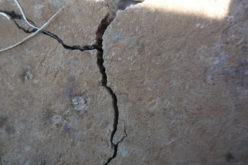
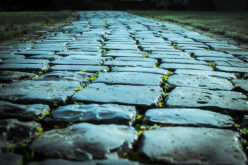
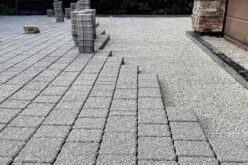
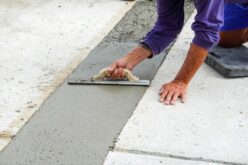
Crack sealing eliminates the spaces where weed seeds can lodge and germinate. Use appropriate sealants designed for your specific surface material, whether concrete, asphalt, or stone pavers. Polymeric sand works well between pavers and hardens when wetted to create a solid barrier.
Regular maintenance of sealed surfaces prevents small cracks from expanding and creating new opportunities for weed establishment. Address minor cracks promptly before they widen and allow deeper root penetration.
-
Using Landscape Fabric and Mulch
Strategic use of landscape fabric and mulch creates physical barriers that suppress weed growth while maintaining an attractive appearance. Install landscape fabric before applying mulch to maximize effectiveness and longevity.
Choose mulch materials appropriate for your climate and aesthetic preferences. Organic mulches like wood chips or bark eventually decompose and improve soil, but require periodic renewal. Inorganic options like gravel or rubber mulch last longer but don’t provide soil benefits.

Download this PDF file for a concise summary of all you need to know about …?

… setting up a backyard bird paradise!

Making the Right Choice for Your Home
Selecting the most appropriate weed control method depends on your specific situation, safety priorities, and long-term maintenance preferences. Consider factors like the types of weeds you’re facing, the proximity to sensitive areas like vegetable gardens or children’s play spaces, and your available time for maintenance.
Non-chemical methods often require more frequent attention but provide peace of mind for families prioritizing safety. Organic alternatives can bridge the gap between effectiveness and safety concerns, though they may cost more than traditional chemical options.
The most successful approach often combines multiple strategies—prevention, prompt removal of new weeds, and targeted treatment of established problems.
Remember that consistency matters more than perfection. Regular attention to problem areas prevents small issues from becoming major headaches.
Whether you choose boiling water, vinegar solutions, organic herbicides, or manual removal, staying ahead of weed problems makes every method more effective and less time-consuming in the long run.
other related analysis of interest: (new win)
| Method | Effectiveness | Safety Level | Cost | Application Frequency | Best For |
|---|---|---|---|---|---|
| Boiling Water | High (immediate) | High (with precautions) | Very Low | As needed | Small areas, spot treatment |
| White Vinegar (20% acetic acid) | Moderate to High | High | Low | Repeat applications needed | Young weeds, sunny conditions |
| Manual Removal | Very High | Very High | Low (tools only) | As needed | All weed types, permanent removal |
| Organic Iron-Based Herbicides | High | High | Moderate | Seasonal applications | Broadleaf weeds, larger areas |
| Essential Oil Herbicides | Moderate | Very High | Moderate to High | Multiple applications | Surface weeds, pleasant scent desired |
| Corn Gluten Meal | High (prevention) | Very High | Moderate | Annual application | Pre-emergent weed prevention |
| Crack Sealing + Mulch | Very High (prevention) | Very High | Moderate (initial investment) | Annual maintenance | Long-term prevention strategy |
Find Yard Maintenance Services Lawn Maintenance Sprinkler Systems Pest Control Tree & Shrubs top-rated, pre-screened local contractors FREE: download contractor selection enter zip code – powered by HomeAdvisor ™


Image credit: safe sidewalk weed killer by envato.com
end of post … please share it!
| more photo remodeling |
Jump Over to Our Photo Analysis Center for Ideas on
"Renovating Home"
|__________________________________________________________|
home remodeling surprise
find out where it might go - new win


Helpful article? Leave us a quick comment below.
And please share this article within your social networks.