Remodeling is a great approach to revitalizing a living area, improving its usability and attractiveness. This article looks at the main indicators that renovation would be very beneficial for a house.
- post content
- Visible Wear and Tear on Structural Elements
- Outdated Design and Aesthetics
- Rising Energy Costs Due to Poor Insulation or Outdated Systems
- Frequent Repairs and Maintenance
- Lack of Modern Amenities and Features
- Decreased Property Value Compared to Neighborhood
- conclusion
- view key:collective notes
Visible Wear and Tear on Structural Elements
One of the most evident indicators that rehabilitation is overdue is visible structural component degradation. Cracked walls, sagging ceilings, peeling paint, and warped floors are more than simply eyesores; they indicate underlying issues that, if not addressed, could worsen over time.
Moisture damage, foundation settling, or simply natural material degradation are common causes of these difficulties. Remodeling allows one to replace or repair these crucial components, restoring the house’s structural integrity.
Addressing these concerns early on improves living space, comfort, and safety while also preventing costly injury.

Outdated Design and Aesthetics
Homes built decades ago can reflect design styles that are out of style or unfeasible today. Older bathrooms, kitchens, and living areas can make a home appear worn out and uninspired.
Remodeling provides an opportunity to modernize materials and architectural concepts, emphasizing open spaces, natural light, and efficient layout. Refreshing cabinets, worktops, fixtures, and flooring can dramatically change the atmosphere of a home, increasing its appeal and enjoyment.
Aesthetic enhancements are very important for homeowners who plan to sell in the future. They also serve to increase the overall market appeal.
Rising Energy Costs Due to Poor Insulation or Outdated Systems
Homes with outdated insulation, windows, or heating and cooling systems commonly suffer from energy inefficiency, resulting in higher electricity bills. Drafts, uneven temperatures, and reliance on obsolete appliances all contribute to wasted energy and discomfort.
Remodeling provides the opportunity to install modern HVAC systems that better control indoor temperature, upgrade to energy-efficient windows, and increase insulation.
These modifications improve comfort year-round while lowering costs and energy use. Investing in energy-saving devices increases the property’s environmental friendliness, which is becoming increasingly important to many homeowners.
Frequent Repairs and Maintenance
When a home requires constant repairs, it can be both financially and emotionally draining. Signs that the current systems are nearing the end of their usable life are plumbing leaks, electrical problems, and appliance breakdowns.
Remodeling allows thorough improvements by substituting modern, dependable alternatives for pipes, fixtures, and antiquated wiring. This lessens the disturbance of daily living and lessens the need for continuous maintenance.
Moreover, renovation can solve several issues at once, producing a coherent, long-lasting solution instead of patchwork repairs. This strategy finally brings peace of mind and saves money and stress.
Should You Remodel Your Home? Take the Leap with Confidence
Deciding whether to remodel your home involves weighing various factors, including costs, potential disruptions, and the ultimate goals you envision for your living space. Before making a decision, it’s important to thoroughly assess the current condition of your home, identify areas in need of improvement, and establish a realistic budget.
Before you start any home remodeling – such as a kitchen or bathroom remodeling, adding an addition, building a new section onto the home, and other major renovation project, run some financial numbers to determine whether the renovation is a smart investment.
The numbers include the estimated costs, home value assessment, financing costs, and other related calculations.
Review these cost-related issues to remodeling vs. buying a new home.
links to internal page (opens new win)
| analyze the numbers | |
| estimate the cost of your project | |
| start assembling a budget | |
| get your home value |
The 2nd step for planning your home remodeling is deciding what you would like to do.
Will it be a –
- remodeling your kitchen or bathroom,
- converting the attic or basement,
- adding an addition or extension to the home,
- changing out your deck or patio into an all-season room,
- upgrading the home with new windows, doors and flooring,
- redesigning your landscape with new features,
- or something else.
You can find other home remodeling ideas by referencing our home renovation analysis and topic directories (opens new win)
| view remodeling design "ideas" directory | |
| view latest "topics" for home renovation | |
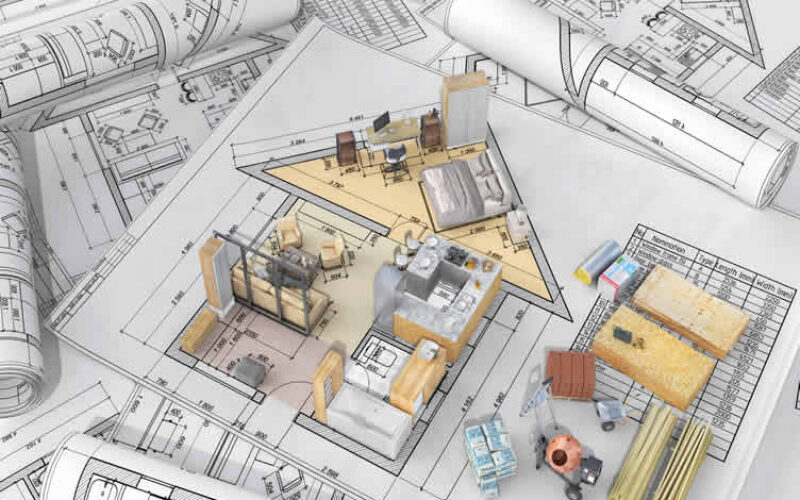
Step 3 is sketching your ideas on paper (or digitally) and developing the spec plan.
The spec plan determines what type of home remodeling materials, items, and design considerations that will be needed. It will also contain the product specifications for each renovation element.
You will use the spec plan and architectural design to bid the project out to a contractor.
links to internal page (opens new win)
| developing the spec plan | |
| sketch remodeling plan | |
| design considerations |
Step 4 is finding and negotiating the contract with a remodeling contractor.
Give your home remodeling ideas and specs to a contractor for review and bid analysis. Use the local network (aligned with HomeAdvisor) to find the right contractor for your project.
Review guides for contractor selection and negotiation.
links to internal page (opens new win)
| search remodeling contractors | |
| selecting your contractor checklist |
| contractor negotiations | |
| contractor evaluation form |
Step 5 is arranging financing once you selected the contractor and finalized the contract for your project.
Using the equity value in your home is one of the best financing option for home remodeling. Start with a home equity line of credit or use the bank equity program.
Other options may include cash-out refinancing, personal savings, and/or financing from home improvement contractors.
links to internal page (opens new win)
| financing options | |
| getting qualified for financing | |
| negotiate rates |
Step 6 is where the project begins.
It starts with setting up the work area, removing everything that needs to be replaced, installing electrical and network connections, putting in the final touches, etc.
It also means working with the contractor, managing the project, and getting the home remodeling project inspected before releasing any funds.
links to internal page (opens new win)
| working with the contractor | |
| managing remodeling project |
| about a home project inspections | |
| find home inspector |
Lack of Modern Amenities and Features
Modern lifestyles need features that many older homes lack. Many homes now come equipped with built-in technology, smart home systems, new kitchen appliances, and renovated bathrooms. Homes missing these comforts can appear less comfortable and functional.
Remodeling allows one to integrate modern conveniences of daily life with technology. Installing smart lighting, security systems, or energy-efficient equipment enhances the home’s appeal and use.
These aspects also symbolize current living standards and offer security and convenience, allowing the house to adapt to changing lifestyle needs.
Decreased Property Value Compared to Neighborhood
Neighborhood trends and market standards can shift, leaving some properties behind in terms of value and appeal. An older, unpainted house could seem less appealing when nearby homes are renovated and upgraded.
Resale potential and investment return can change. Remodeling makes the house competitive and appealing in the neighborhood real estate market.
If you live in California, a professional who offers a whole house remodel in San Diego is one of the best ways to improve property appeal and optimize investment for homeowners thinking about selling.
other related analysis of interest: (new win)
Conclusion
Maintaining the comfort, safety, and value of a home depends on knowing when remodeling might help it. Thoughtful renovation is indicated by obvious deterioration, out-of-date design, poor space use, high energy expenses, frequent maintenance, absence of current features, changing family demands, and diminishing property value.
Working with experts guarantees well-planned and executed remodeling projects, therefore producing long-lasting results. Timely renovation not only enhances the quality of living in the house but also guarantees its value as a useful asset for many years to come.
Find Home Remodeling Services Additions Major Remodels Minor Remodels Disability Needs Plumbing Drain Clearing Appliances Electrical top-rated, pre-screened local contractors FREE: download contractor selection enter zip code – powered by HomeAdvisor ™


Image credit: by envato.com
end of post … please share it!
|__________________________________________________________|
home remodeling surprise
find out where it might go - new win


Helpful article? Leave us a quick comment below.
And please share this article within your social networks.