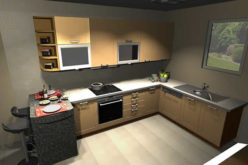
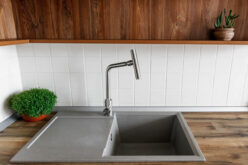
In luxury homes, kitchens are extensions of open living designed to complement the architecture rather than disturb it, not only areas to cook. The goal is seamlessness in performance as much as appearance.
Reaching that harmony calls for deliberate decisions about placement, proportions, materials, and ventilation, not only about stuffing appliances into cabinets. It also means matching the mechanical intelligence of your kitchen to its visual language.
Whether you are curating a single cooking wall or redesigning a whole space, the vision is refined, where form enhances rather than merely follows function.
- post content
- Boosting Visual Balance with Strategic Appliance Alignment
- Including Luxurious Appliances as Architectural Statements
- Customizing Cabinetry to Perfectly Conceal an Appliance
- Boosting the Built-In Effect
- Managing Textures and Finishes for Visual Harmony
- conclusion
- view key:collective notes
Boosting Visual Balance with Strategic Appliance Alignment
One of the most often disregarded but important factors in including built-in appliances into a kitchen is precision alignment. When visual lines are upset, even high-end appliances lose their impact. Appliances have to be installed at consistent heights with distances that preserve proportional integrity across counters, drawer lines, and cabinet doors.
This careful coordination guarantees that every unit—from a wall oven to a built-in coffee maker to a warming drawer—fits together aesthetically. Though measurements form the basis of planning, real harmony comes from symmetry and repetition. Coordinating appliance cutouts with cabinetry panels will help to avoid visual interruptions.

To stretch the flow of the space rather than break it vertically, designers sometimes arrange appliances in horizontal groups in luxury kitchens. The visual plane is elongated in this way by a horizon line effect.
This arrangement is repeated in wall-mounted ovens matched side by side with combi-steam units or coffee systems. Using touch-open panels and handleless fronts intensuates the impact.

Including Luxurious Appliances as Architectural Statements
Built-in luxury appliances double as architectural elements in the kitchen design, serving more than just a practical need.
These appliances’ glass, brushed metal, and simple interfaces naturally complement contemporary cabinetry systems. Their dimensions and finishes are consistent to fit flush cabinet layouts, so ensuring that their presence accentuates the kitchen rather than takes front stage.
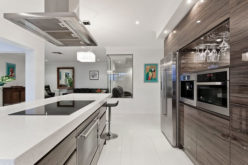
Maintaining flow also depends much on the location of luxury appliances. For instance, custom panels matching the surrounding millwork often conceal column refrigerators and freezers. Recessed within islands or sidewalls, wine coolers with frameless glass fronting offer simple access without compromising the design language.
Often considered bulky requirements, vent hoods are now hidden behind integrated cabinets or ceiling panels. In a kitchen where every visible element is a conscious design choice, these elements become focal points.
Customizing Cabinetry to Perfectly Conceal an Appliance
Standard cabinets seldom allow for the depth, width, or ventilation needs of built-in appliances. Cabinetry must be built around the appliance specifications rather than the other way around if a perfect fit is to result.
This calls for exact millwork, tailored cabinet liners, and custom door overlays. By sitting the appliances flush using frameless European cabinets with full-access boxes, shadow lines or projecting edges are eliminated.
Especially around ovens or dishwashers, thermally insulated panels and soft-close mechanisms help preserve the integrity of the cabinetry under high-heat or moisture-prone conditions. Appliance doors for completely integrated designs can be virtually invisible with matching cabinet fronting.
The millwork must also consider airflow and service access—recesses for ventilation grilles, removable kickboards, and hinge clearances.
Boosting the Built-In Effect
Lighting is about accentuating architectural details and generating mood, not only about visibility. In kitchens with built-in appliances, integrated lighting gives depth and drama without overwhelming the area.
Recessed LED strip lighting above appliance banks can draw attention to clean lines and underline the upper cabinetry’ floating impact. Plinth lighting under appliances and lower cabinets breaks visually from the floor, giving the entire installation weightlessness.
Systems of ambient lighting can be configured to match appliance activity. Ovens or cooktops, for instance, can be matched with task lighting that turns on when in use and then fades when not in use.
Motion-sensitive LEDs keep function while conserving energy inside pantries and refrigerators. Especially when working with metallic appliance surfaces that can reflect different tones, consistent color temperatures across all lighting components help unite the palette.
These approaches not only support usability but also help to create the visual flow, defining a flawless kitchen look.

Reviewing Smart Refrigerators: The Ultimate Kitchen Upgrade
Smart refrigerators are redefining kitchen convenience and food management. These high-tech refrigerators are not merely for storing food but are equipped with advanced features like touch screens, internet connectivity, and internal cameras.
Managing Textures and Finishes for Visual Harmony
If surface materials collide, a space can seem disjointed even with carefully placed appliances. A flawless appearance calls for careful coordination of textures and finishes among cabinets, counters, and appliance panels.
Unless carefully balanced, matte cabinets matched with high-gloss appliance fronting can cause friction. Choosing complementary materials that accentuate the tonal and textural language of the space is the secret.
Hardware choices also count—that is, whether one chooses integrated finger pulls or push-to-open systems—the lack of traditional handles promotes a better profile. Any visible appliance trim and cabinet hardware should be finished in unison using the same finish.
To visually anchor appliances in place, think about grouping them with the same material used for backsplashes or island cladding. By means of careful layering and repeating of finishes, every appliance transforms into a harmonic component in the overall kitchen design.
other related analysis of interest: (new win)
Conclusion
The whole kitchen changes when appliances seem shaped into their surrounds instead of added on as an afterthought. It’s a living gallery of accuracy, design, and purpose rather than only a place to cook.
This kind of space shows that the best integration is the kind that vanishes into perfection, since it speaks without shouting.
Find Kitchen Appliance Services Appliance Install Appliance Repair Electrical Appliance Refinish Kitchen Design Flooring top-rated, pre-screened local contractors FREE: download contractor selection enter zip code – powered by HomeAdvisor ™


Image credit: by envato.com
end of post … please share it!
| more photo remodeling |
Jump Over to Our Photo Analysis Center for Ideas on
"Renovating Home"
|__________________________________________________________|
home remodeling surprise
find out where it might go - new win


Helpful article? Leave us a quick comment below.
And please share this article within your social networks.