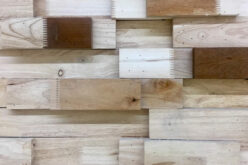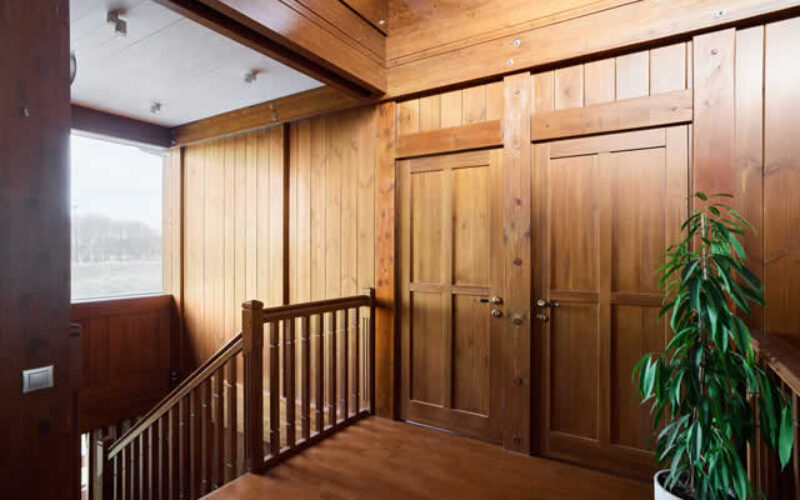
Drawing inspiration from the retro look of ‘70s wood paneling but elevating it with modern touches and high-quality finishes, wood-drenching is reshaping how homeowners, design professionals, and creatives envision home design and beyond.
This article explores the philosophy behind wood-drenched rooms, key historical influences, their benefits, design possibilities, professional advice for wood selection, and essential tips for installation and care.
- post content
- Introduction to Wood-Drenching
- Historical Context and Inspiration
- Benefits of Wood-Drenched Rooms
- Design Ideas and Applications
- Choosing the Right Wood
- Installation and Maintenance Tips
- Case Studies and Examples
- Elevate Your Space With Wood-Drenching
- view table:content summary
- view key:collective notes
Introduction to Wood-Drenching
Wood-drenching refers to the technique of enveloping a room with natural wood paneling across all major surfaces. Unlike traditional applications, where wood accents may appear on just a feature wall or in decorative trim, wood-drenching is immersive, creating a cohesive and deeply atmospheric environment.
This approach captures attention not only for its visual warmth but also for its capacity to transform everyday spaces, especially home offices, into inviting retreats tailored for creativity, productivity, and tranquility.
Recent design publications such as Dezeen and Dwell have spotlighted wood-drenched interiors, noting a marked increase in searches for “wood paneling ideas” and bespoke natural finishes.

Historical Context and Inspiration
To understand why wood-drenching feels both nostalgic and fresh, it helps to revisit the ‘70s, a period marked by a widespread love for wood paneling in residential and commercial interiors.

Back then, wood was often applied as thin, sometimes synthetic, wall cladding in living rooms and dens. The effect was cozy but frequently criticized for being dark or outdated in later decades.
Today’s resurgence is different. Modern wood-drenching leverages the warmth and texture of real wood but seeks higher quality, novel layouts, and ecological responsibility.
Designers now lean into lighter wood species, intricate grain patterns, and seamless joints, drawing from mid-century and Scandinavian influences.
The result is a style that honors history yet feels undeniably contemporary, proving that well-chosen wood can be both classic and ahead of the curve.
Benefits of Wood-Drenched Rooms
Engaging with wood paneling in interior design goes beyond just aesthetics. The benefits are both visual and practical, resonating with those who crave serene, tactile environments and efficient interior home design.
Wood’s organic appeal brings a calming naturalness into spaces, which can ease daily stress and boost well-being. The uniformity of a wood-drenched room also creates a visually uncluttered environment, supporting concentration and creative thought.
For homeowners, wood paneling is a smart way to introduce insulation, both thermal and acoustic, making dedicated workspaces quieter and more comfortable.
From a practical standpoint, high-quality wood paneling is durable and, when sourced responsibly, aligns with eco-friendly values. With the right care, it ages gracefully, developing a patina that further enriches the character of the space.
Design Ideas and Applications
The versatility of wood-drenching opens up countless opportunities for innovative design. While home offices are the most popular canvas for this trend, wood-drenched rooms also shine in living rooms, bedrooms, and creative spaces.
A wood-drenched room, for example, can use a combination of vertical and horizontal panels to elongate or widen the space visually. Integrating custom shelving, recessed lighting, or built-in desks creates functional areas without breaking the material continuity.
For creative applications, play with contrasting wood tones or use wide-plank paneling for a contemporary twist.
Elsewhere in the home, wood-drenching can be tailored to suit personal style. Light woods with minimal grain promote a Scandinavian minimalism, while deeper, walnut-rich hues offer a mid-century sophistication.
Ceiling paneling amplifies the effect and can help streamline awkward architectural features, making the space feel curated and cohesive.
Choosing the Right Wood
Selecting the right wood species is essential to the overall impact, durability, and cost-effectiveness of a wood-drenched room. The choice depends on individual preference for color, grain, and maintenance—as well as the intended use of the space.
Oak and walnut are prized for their durability and attractive grain, making them popular in high-usage living areas. Maple and birch offer lighter tones and are well-suited for minimalist or Scandinavian-inspired interiors.
For an eco-conscious approach, reclaimed wood or FSC-certified species ensure that sustainability remains at the forefront.
When considering budget, softer woods like pine can offer a similar look at a more accessible price point but may require more frequent maintenance. Always consult with a professional or local supplier to understand regional wood options and their suitability.
Installation and Maintenance Tips
The success of a wood-drenched room relies on thoughtful installation and ongoing care. Preparation begins with assessing the condition of existing walls and, if necessary, reinforcing them to support paneling weight.
Professionals recommend using tongue-and-groove panels for a seamless fit and to accommodate minor humidity changes. Proper acclimation of the wood to indoor conditions, typically for 48–72 hours before installation, prevents unwanted shifting or warping later.
For maintenance, dust wood panels regularly and clean them with a damp, well-wrung cloth. Avoid harsh chemicals that could strip natural oils. Periodic resealing will protect against moisture and keep the surface looking rich. UV filters on windows can reduce fading, especially in sun-drenched rooms.

What To Know About Drywall Installation and Repair
In the world of home improvement, mastering the art of drywall installation and repair is key. This versatile material, commonly found in American homes, is often at the heart of renovations and remodels.
Case Studies and Examples
A selection of standout wood-drenched rooms highlights the creative potential of this trend and offers practical insights for anyone considering it.
A Brooklyn-based designer recently transformed a compact spare bedroom into a stunning home office by cladding every wall and the ceiling in honey-toned white oak.
The result is a luminous, cocoon-like workspace filled with natural light. According to Dwell, this room’s consistent material palette minimized visual distractions, providing both comfort and focus.
Another notable example comes from a Scandinavian apartment in Copenhagen, where maple paneling lines the main living area. The crisp, pale surfaces reflect light naturally and serve as a neutral backdrop for colorful furnishings.
The homeowner, interviewed in Architectural Digest, noted a significant reduction in heating bills due to the wood’s insulating properties.
These real-world case studies underscore not only the timeless beauty but also the practicality of the wood-drenching trend.
other related analysis of interest: (new win)
360-Degree View Fireplaces: A Stunning Addition to Modern Homes
Elevate Your Space With Wood-Drenching
Wood-drenching has evolved from a retro design statement to a powerful method for creating immersive, functional, and healthy interior environments.
Whether you are reimagining your home office for productivity, seeking warmth and texture in living spaces, or celebrating natural materials for their sustainable qualities, wood paneling offers endless possibilities.
Consult with design professionals, study examples, and carefully choose materials to ensure your wood-drenched room will stand the test of time.
| Main Aspect | Insights and Recommendations |
|---|---|
| Definition | Wood-drenching is the immersive use of natural wood paneling on all key surfaces. |
| Historic Influence | Modern wood-drenching draws inspiration from 1970s paneling, reimagined for quality and sustainability. |
| Benefits | Visual warmth, improved focus, acoustic and thermal advantages, and long-lasting durability. |
| Design Ideas | Best suited for home offices, living spaces, and bedrooms; works with a variety of wood tones and panel directions. |
| Wood Selection | Oak, walnut, maple, and birch are top choices; consider reclaimed or certified woods for sustainability. |
| Installation | Tongue-and-groove panels recommended; acclimate wood to room before installation; professional setup strongly advised. |
| Maintenance | Regular dusting, gentle cleaning, periodic resealing, and UV protection are key. |
| Resources | Explore architecture and design sources such as Dwell, Dezeen, and the National Wood Flooring Association. |
Find Walls & Ceiling Services (opens new win) Drywall Installation Ceilings Painting & Texturing Tile top-rated, pre-screened local contractors Wallcoverings Ceilings – Fans Walls – Exterior Walls – Interior FREE: download contractor selection enter zip code – powered by HomeAdvisor ™


Image credit: by envato.com
end of post … please share it!
| more photo remodeling |
Jump Over to Our Photo Analysis Center for Ideas on
"Renovating Home"
|__________________________________________________________|
home remodeling surprise
find out where it might go - new win


Helpful article? Leave us a quick comment below.
And please share this article within your social networks.