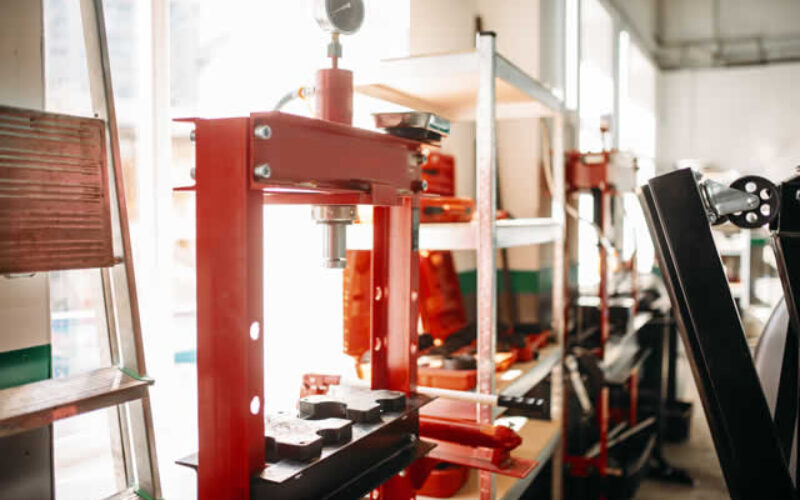
Both H-type and C-type models are available, each designed with a sturdy frame and a wide array of force capacities, meeting varying industrial demands. These presses are found across an array of sectors, appreciated for stability and the ability to maintain accurate control throughout a pressing cycle.
For those seeking more details or comparisons, additional information on workshop press options is available online.
Machines from this manufacturer are built to adhere to strict standards for safety and operational capability. Each piece of equipment is crafted for reliability, offering precise and repeatable outcomes in demanding environments.
The use of robust materials and solid engineering supports their suitability for daily manufacturing activities. For further details regarding available models, product specifications, or application suggestions, additional information is accessible through their official channels.
Workshop Press Variations
Various models of workshop presses play vital roles in industrial settings, engineered to fulfill specific functions. Among these, H-type and C-type presses have become notable choices due to their adaptability and resilient framework.
The hydraulic variants in these categories cover a spectrum of force ratings, permitting accurate and thorough operations in repair shops, assembly lines, and metalworking industries.
-
Characteristics of H Type and C Type Presses
The H-type press is characterized by an H-shaped frame, which provides rigidity and enhanced support for processes demanding significant force. This makes it a practical option for tasks involving deep drawing, robust metal shaping, or dealing with thick, tough materials. The basic framework helps prevent deflection, ensuring reliable performance regardless of load.
Alternatively, the C-type press offers a more open design, allowing easier access to the working zone. This configuration is especially convenient during setups for smaller parts, light assembly, or repetitive punching tasks.
Even with its more accessible structure, the C-type still delivers notable stability and aligns with workplace safety protocols. Such flexibility proves advantageous for small workshops managing a range of projects.
-
Uses in Different Industries
H-type and C-type presses each find distinct uses depending on sector needs. In the automotive industry, H-type presses are commonly chosen for heavy pressing or deep metal forming, while C-type presses enable nimble assembly or adjustment of smaller car components.
Aerospace manufacturing also features both types, with H-type presses taking on larger structural elements and C-type presses handling fine-tuned, lighter-duty assembly.
Across general metalworking, these presses complement each other by addressing a broad spectrum of operational tasks, from precise shaping to repetitive punching.


Notable Features of STENHOJ Hydraulik Presses
Presses from this manufacturer are frequently noted for robust design quality, flexibility in specification, and an expansive choice of force points. Such qualities make it possible to tailor presses to unique factory standards and enhance reliability in a variety of applications.
-
Durable Construction and Materials
Each unit is designed to cope with continual use under tough conditions. Heavy-duty materials and proven designs result in presses that resist wear and help manage stress without unwanted distortion. This enables production facilities to maintain consistent output while controlling maintenance expenses.
-
Options for Customization
To match the diverse requirements found in industry, various features can be configured on STENHOJ Hydraulik presses. With choices related to frame type, bed dimensions, opening width, and stroke range, these presses may be adapted to specific production lines or operational environments.
This allows organizations to align machinery closely with production targets or accommodate unique project needs.
-
Choice of Force Capacities
The lineup covers capacities ranging from 20 to 200 tons. This variety allows users to appropriately match the press to the job at hand, from precise component assembly to strenuous forming or bending assignments. Such range supports diverse workplace requirements and enhances process efficiency while maintaining established safety parameters.

The Essential Garage Upgrade Every Homeowner Needs
If you’ve been contemplating enhancing your garage with practicality and efficiency, a garage workbench might just be the answer you’ve been seeking.
Efficient Delivery
Prompt delivery of new presses has significant benefits for manufacturers and repair shops alike. Minimizing lead times during equipment procurement helps maintain productivity and supports seamless transitions when updating or expanding production lines.
Coordination with suppliers and effective logistics planning enable organizations to avoid unnecessary workflow disruptions during installation or replacement phases.
Safety Practices and Compliance
Safety represents a fundamental aspect of operating hydraulic presses. Regular inspections for hydraulic leaks or worn components are necessary to reduce risks. Workers should undergo instructions to understand machine capabilities and safety limitations, and the use of protective gear such as gloves and eye shields is always advised.
Clean, uncluttered work environments further support proper operation. Maintaining up-to-date compliance documentation on equipment, together with ongoing revisions of procedures in accordance with industry standards, bolsters responsible and secure operation practices.
Presses designed and manufactured by STENHOJ Hydraulik integrate multiple safeguards and features to help protect users while ensuring adherence to common safety expectations.
Find Handyman Services (opens new win) Handyman Carpentry Electrical Plumbing top-rated, pre-screened local contractors FREE: download contractor selection enter zip code – powered by HomeAdvisor ™


Image credit: by envato.com
end of post … please share it!
|__________________________________________________________|
home remodeling surprise
find out where it might go - new win


Helpful article? Leave us a quick comment below.
And please share this article within your social networks.