With fewer natural opportunities for movement, such as walking to meetings or chatting with coworkers in the office, many remote workers find themselves sitting in front of their computers for hours on end.
This sedentary lifestyle, common among remote workers, can have long-term health consequences. But here’s the good news—standing more often can make a big difference.
This article explores the health benefits of incorporating movement and standing into your workday, strategies to stay active while working from home, and tips for creating a stand-friendly workspace.
The Sedentary Nature of Remote Work
One of the biggest challenges of working remotely is staying active. Traditional office environments offer subtle cues to move.

Whether you’re walking to the break room, heading to a coworker’s desk, or taking the stairs, these small bursts of activity add up. But when you’re working from home, your living room, kitchen, and office are often just a few steps apart, leading to hours of uninterrupted sitting.
Prolonged sitting can lead to several health issues. Research highlights its connection to obesity, cardiovascular disease, and even an increased risk of certain types of cancer.
Sitting too much can also contribute to back pain, reduced muscle activity, and poor posture. Without intentional breaks or movement, remote workers can fall into a cycle of physical inactivity, affecting their overall well-being.

The Health Benefits of Standing
Standing up during your workday isn’t just about combating the dangers of sitting—it’s a proactive approach to improving your physical and mental health. Studies have shown that incorporating more standing into your routine comes with a wide range of benefits.
Standing improves cardiovascular health by promoting better circulation. This helps reduce the risk of heart disease associated with sedentary lifestyles. It also increases your metabolism, encouraging calorie burning even during light activities like typing or reading emails.
One of the most immediate benefits remote workers often notice is the reduction in back pain. Standing helps improve posture by engaging core muscles and reducing the pressure on your lower back. Over time, this can lead to a stronger and healthier spine.
Standing isn’t just great for your body—it can also have a positive impact on your energy levels and productivity. Many remote workers report feeling more alert and focused after standing throughout the day. This boost in energy can translate to increased efficiency and better work outcomes.
Strategies for Standing More Often
Making standing a regular part of your workday doesn’t have to be complicated. Integrating these small changes into your routine can make a big impact.
-
Standing Desks
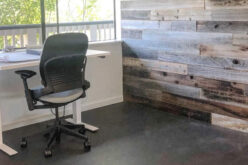
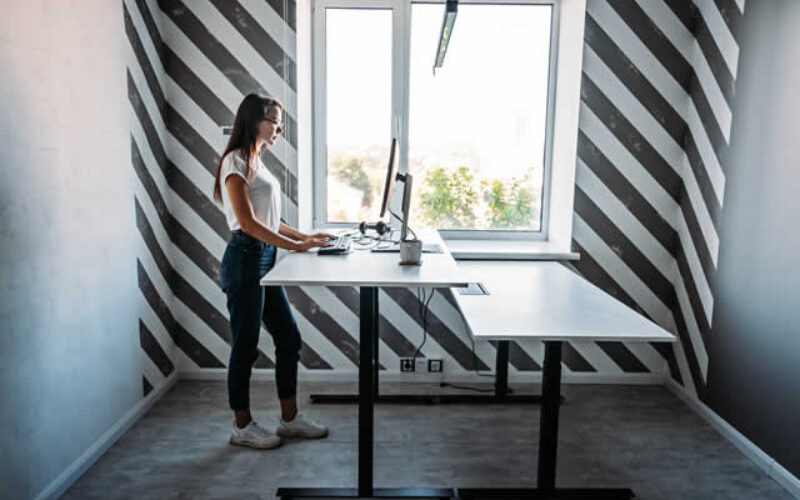
Stand-up desks are an excellent starting point for remote workers. Adjustable models allow you to alternate between sitting and standing, so you can find the balance that works best for your body.
Kneeling chairs are another fantastic option—they’re designed to engage your core and promote healthy posture while working.
-
Reminder Apps
Sometimes, a little reminder is all you need. Stand-up apps, such as Stand Up! The Work Break Timer or Stretchly, can prompt you to stand or stretch at regular intervals.
These apps are especially helpful for creating habits until standing becomes a natural part of your workflow.
-
Water Breaks
Taking regular water breaks doubles as a reminder to move and keep hydrated. Every time you refill your glass, stand up, stretch, and take a short walk around your space.
For an added benefit, use these breaks to step outside for fresh air or to look out the window—it’ll help refresh your productivity too.
-
Other Standing Options
Lastly, consider incorporating standing activities into your day. Take phone calls while standing, review documents at a countertop, or brainstorm ideas while pacing around your room.
These small adjustments encourage movement with minimal effort.
Creating The Perfect Home Office Set-up In Small Spaces
Working from home offers many benefits, like great flexibility, less commuting time, improved work-life balance, and high productivity levels. And while you might want to work on the bed, on the couch, or in the patio, you can only be truly productive when you work at an ideal workstation.
Creating a Stand-Friendly Workspace
To make standing a sustainable part of your routine, you’ll need to design your workspace in a way that supports regular movement.
Start with ergonomics. Standing desks should be adjusted so that your elbows are at a 90-degree angle when typing, and your screen is at eye level to prevent neck strain. Anti-fatigue mats are also a valuable addition, providing a cushioned surface that reduces discomfort in your legs and feet while standing.
Optimize your home office by creating zones for different tasks. For example, set up a standing desk for meetings or brainstorming, while using a seated desk for more focused, detailed tasks. This allows you to switch positions throughout the day without disrupting your workflow.
Striking a balance between standing and sitting is key to avoiding discomfort or fatigue. Experts recommend starting with short bursts of standing every hour and gradually increasing the duration as your body adapts. Over time, you’ll find the right routine that feels both productive and comfortable.
Overcoming Challenges to Standing
Standing more often can come with its own set of challenges, but with the right strategies, these obstacles are easy to overcome.
Discomfort or fatigue is one of the most common issues, especially when starting out. Incorporating supportive equipment, such as an ergonomic mat or comfortable shoes, can go a long way in easing the transition. It’s also helpful to take small steps, alternating between standing and sitting throughout the day.
Space limitations in your home can also make standing setups seem daunting. However, compact standing desks or tabletop converters are great solutions for smaller spaces. With these tools, you can create a stand-friendly workspace no matter your layout.
Finally, staying motivated to stand regularly is crucial. Setting reminders, tracking your progress with apps, or even pairing standing activities with rewarding tasks can help you stay consistent. Join online communities or participate in workplace challenges to feel more accountable and connected in your health efforts.
Prioritize Your Health While Working Remotely
Standing during your workday is a simple yet impactful way to combat the health risks of remote work. By improving cardiovascular health, boosting energy, and reducing back pain, standing helps you make the most of your remote work life.
With the right tools and strategies—such as stand-up desks, reminder apps, and optimized workspaces—you can seamlessly integrate standing into your routine. Prioritizing movement will not only enhance your physical well-being but also elevate your productivity and focus.
Start taking small steps (or stands) today. Your body, mind, and workflow will thank you in the long run.
other related analysis of interest: (new win)
Don’t Become a Victim – What to Do to Avoid Theft
Modern Cottagecore: Redefining Home Decor with Style and Sustainability
Find Interior Design Services Decorators Interior Designers Furniture Painting & Staining top-rated, pre-screened local contractors FREE: download contractor selection enter zip code – powered by HomeAdvisor ™


Image credit: by envato.com
end of post … please share it!
| more photo remodeling |
Jump Over to Our Photo Analysis Center for Ideas on
"Renovating Home"
|__________________________________________________________|
home remodeling surprise
find out where it might go - new win


Helpful article? Leave us a quick comment below.
And please share this article within your social networks.