When upgrading, it’s important to choose options that offer the latest in energy efficiency and are compatible with smart home technologies.
In this blog post, we’ll explore the essentials of HVAC systems, offering guidance on maintenance best practices, strategies for enhancing efficiency, and advice for considering upgrades.
- post content
- Improving Efficiency: Best Practices for Your HVAC System
- Understanding the Lifespan of Your HVAC Components
- HVAC Filters: Choosing the Right One for Your System
- Smart Thermostats: Revolutionizing Home Climate Control
- Upgrading Your HVAC System: What to Consider
- The Environmental Impact of HVAC Systems
- side idea:Implementing Fault Detection and Diagnostics
- view key:collective notes
Improving Efficiency: Best Practices for Your HVAC System
Adopting best practices in household energy management is essential to achieve maximum efficiency from your HVAC system. Such efforts include sealing drafts, improving home insulation, and strategically using window coverings to maintain temperature.
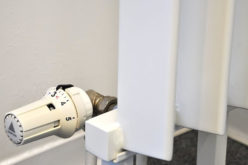
Thermostat settings also play a substantial role – consider setting a comfortable yet economical temperature, and leverage programmable thermostats to adjust settings when the house is empty or during bedtime.
Seasonal equipment checks with a trustworthy HVAC company, such as ensuring the heater is ready for winter and the air conditioner for summer, will also help you make the most of your HVAC system while conserving energy.

Understanding the Lifespan of Your HVAC Components
Familiarizing yourself with the expected lifespan of different HVAC components can help you plan for replacements before system failures occur. On average, an HVAC system can last 10-20 years, but this depends largely on the level of maintenance it receives.
Some signs of potential problems include a decrease in air quality, unusual sounds, or a notable increase in energy bills, which indicate inefficiency. Proactively addressing these concerns, ideally before they develop into more substantial issues, can save money and extend the life of your system.
HVAC Filters: Choosing the Right One for Your System
The right air filter can improve your home’s air quality and enhance your HVAC system’s efficiency. Filters come in various materials and thicknesses, each designed to capture different particulates.
While pleated filters may provide better filtration, verifying they are compatible with your system is essential to avoid restricting airflow. It’s generally recommended to replace or clean HVAC filters every one to three months, depending on the filter type and the usage level.

Smart Thermostats: Revolutionizing Home Climate Control
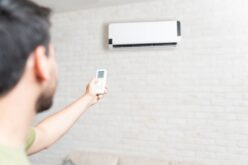
Utilizing smart thermostats in your home introduces a level of convenience and efficiency previously unattainable with traditional models. These devices can adapt to your schedule, learn your preferences, and even be controlled when you’re away from home via smartphone apps.
The transition to a smart thermostat could amount to significant energy savings, as it optimizes your HVAC operation tailored to your lifestyle while avoiding unnecessary heating or cooling of an empty house.
Upgrading Your HVAC System: What to Consider
Deciding to upgrade your HVAC system is an important step that can provide better comfort, improved air quality, and reduced energy bills. New advancements like variable speed technology offer more precise climate control and quieter operation.
Its Seasonal Energy Efficiency Ratio (SEER) rating is essential in choosing a new system. SEER ratings indicate the energy efficiency of the unit – the higher the rating, the more efficient the system. While higher SEER units typically involve a higher upfront cost, they usually provide savings in the long run through reduced utility bills and possible tax incentives.
other related articles of interest:
The Environmental Impact of HVAC Systems
Your choice of HVAC system has a broader impact beyond your home and affects the environment. HVAC systems contribute to a home’s carbon footprint due to their energy consumption and, often, the refrigerants used. However, recent technological advances have produced energy-efficient HVAC systems that use environmentally friendlier refrigerants.
Recognizable labels like the EPA’s ENERGY STAR and the Most Efficient certifications guide consumers toward systems that meet stringent energy efficiency requirements and have a reduced environmental impact.
Find HVAC Services Air Conditioning Central Heating Ducts & Vents Insulation Thermostats Water Heaters top-rated, pre-screened local contractors FREE: download contractor selection enter zip code – powered by HomeAdvisor ™


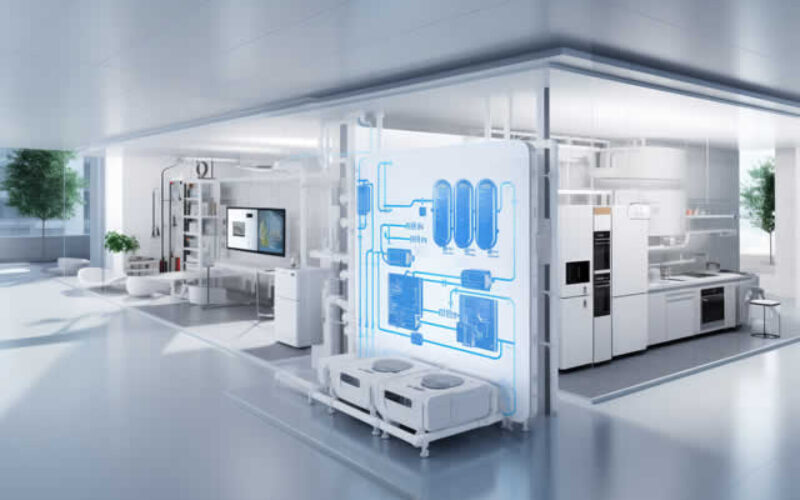
Image credit: hvac system mainternance and upgrade considerations by 123rf.com
end of post … please share it!
| more photo remodeling |
Jump Over to Our Photo Analysis Center for Ideas on
"Renovating Home"
|__________________________________________________________|
home remodeling surprise
find out where it might go - new win


Helpful article? Leave us a quick comment below.
And please share this article within your social networks.