Understanding the differences can help align your decision with your lifestyle, budget, and long-term goals. This article explores the pros and cons of both paths. It aims to provide insights to help you make an informed choice.
Additionally, factors such as location, customization, and market trends play crucial roles in this decision-making process.
- post content
- Understanding the Advantages of Building a Home
- Exploring the Benefits of Buying an Existing Home
- Weighing the Costs: Building vs. Buying
- Timeline Considerations: From Construction to Move-In
- Reflecting on Your Priorities and Making a Decision
- side idea:Home Lighting Design
- view key:collective notes
Understanding the Advantages of Building a Home
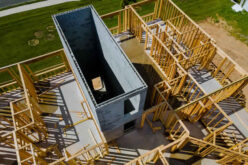
Building a home offers the opportunity for complete customization. You can tailor every aspect to your preferences, from layout to finishes. This personalization extends to energy efficiency and sustainability, allowing for a greener lifestyle.
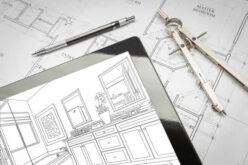
Working with professional Colorado residential architects ensures that your home is designed with the local climate and landscape in mind. However, this process requires a significant time investment, from planning to completion.
The financial aspect is another consideration. Building a home often involves a higher initial cost compared to buying an existing one. Yet, it allows for budget control, as you can decide where to splurge or save.
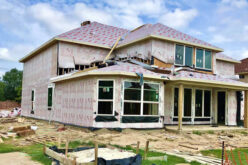
Additionally, a newly constructed home requires less maintenance and repairs in the short term. While the journey is longer, the result is a home that truly reflects your vision and needs.

Exploring the Benefits of Buying an Existing Home
Buying an existing home offers the advantage of convenience and speed. Unlike building, the process from searching to moving in can be much quicker. This is ideal for those with time constraints or needing immediate housing.
Additionally, established neighborhoods often come with mature landscapes and a sense of community. Existing homes can also be more affordable upfront, often including features like appliances and landscaping.
However, older homes may require more maintenance and repairs. There’s also the potential for negotiating the price, which isn’t typically possible when building new. Plus, the character and charm of older homes can be appealing to many buyers.
But for those willing to invest in updates, there’s the opportunity to add personal touches and increase the home’s value over time. Additionally, buying an existing home allows for immediate occupancy, eliminating the wait associated with construction.

Weighing the Costs: Building vs. Buying
The financial aspect is a critical factor when deciding between building and buying a home. Building a new home often involves higher upfront costs, including land purchase, construction materials, and labor. Additionally, custom features and finishes can quickly escalate the overall price.
However, building allows for budget control, as you can prioritize spending based on your preferences and needs. While the initial investment is higher, a new home typically requires less maintenance in the short term.
On the other hand, buying an existing home can be more cost-effective initially. The price is often negotiable, and the transaction includes existing features like landscaping and interior fittings. Yet, it’s important to consider potential hidden costs, such as repairs or renovations needed to bring the home up to your standards.
Moreover, older homes may require more frequent maintenance, adding to the long-term expenses. Careful consideration of both options will help you make a decision that aligns with your budget and lifestyle.
Timeline Considerations: From Construction to Move-In
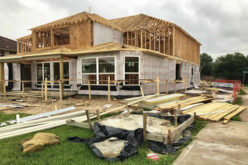
The timeline for building a home can vary significantly, often taking several months to over a year. Factors such as weather, permitting, and supply chain issues can impact the schedule. Delays are not uncommon, and patience is required when navigating the construction process.
In contrast, buying an existing home typically allows for a quicker move-in, often within a few months. However, any renovations or repairs needed can extend this timeline. For those with a tight schedule, buying may offer a more predictable timeframe. Ultimately, your decision may depend on your urgency to move and your flexibility with the timeline.
other related articles of interest:
A Guide to Choosing Eco-Friendly Options for Sustainable Home Construction
Reflecting on Your Priorities and Making a Decision
Reflecting on your priorities and making a decision requires careful consideration of both building and buying a home. Assess your needs, budget, and timeline to determine the best fit for your lifestyle.
Keep in mind the long-term implications of your choice, including maintenance, customization, and resale value. Consulting with real estate professionals can provide valuable insights and guidance. Ultimately, the right decision will align with your personal goals and aspirations for a place to call home.
Find Home Construction Services Additions Home Construction Major Remodels Site Preparation top-rated, pre-screened local contractors FREE: download contractor selection enter zip code – powered by HomeAdvisor ™


Image credit: should you build or buy your next house by envato.com
end of post … please share it!
|__________________________________________________________|
home remodeling surprise
find out where it might go - new win


Helpful article? Leave us a quick comment below.
And please share this article within your social networks.