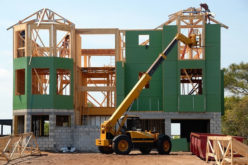
A new build, or even a renovation project, should usually end with the construction company fixing minor defects.
All too often, homeowners discover snags once the project is over. It can then be much harder to have defects put right.
This is why you could benefit from a snagging list. You can either appoint a professional or compile your list of defects.

Does Every New Build Project Need a Defects List?
The construction company is responsible for correcting any flaws before your contract is complete.
In addition, your new home or renovation project should have been routinely inspected to ensure it complies with current building regulations.
As part of the contract, you should also receive a warranty from an insurance provider to safeguard against structural defects.
With so many inspections, your new home should be in excellent condition. However, there are usually some snags that get overlooked.
Should You be Concerned About a Snag?
A snag isn’t a serious defect, but a minor fault. It could mean an item hasn’t been finished properly, such as a loose faucet. A snag can also be some sort of damage, from a scratch on a kitchen shelf to a French door with a broken hinge.
However, as a homeowner, your contract with the builder should reassure you about good workmanship and high-quality materials. You shouldn’t expect to take possession of your new home with snags in need of repair.
Some snags, such as an ill-fitting electrical socket, can lead to more serious issues if they are allowed to pass without correction.
When Should a Defects List be Compiled?
Ideally, you should look for defects once your new build has been officially completed. Your inspection is best carried out before you conclude your contract before moving in. However, it can sometimes be difficult to make your snagging list.

home construction plannerbuilding codes illustrated
some construction planning to consider
When the building contractors own the land your new home stands on, they are legally entitled to refuse you access. Of course, this won’t be the case if you are having an extension built to your existing property.
Once you have moved into your new build, compiling a snagging list becomes more difficult. Regardless of how many faults you may find, if you approach the building contractors after exchanging contracts, they may dispute your claims.
In many instances, builders state that the homeowners could have caused the defects themselves. Generally, they have moved on to other projects. They don’t want to waste time and money fixing snags that have technically been accepted when you exchanged contracts.
However, your builder is responsible for fixing snags for up to two years after completion. The terms of your property’s warranty are usually valid for ten years. It gives you reassurance over more serious faults.
How to Conduct a Snagging Survey
You need to inspect each room thoroughly. Check doors and windows open easily, and look for blemishes in the paintwork. Draw a room plan and mark down the details. Leave a sticky note in the room itself to highlight the fault.
The kitchen usually needs more attention. Check that worktops and shelves are accurate and level. Find out if the correct water supply is running from the faucets.
Remember that some very small snags, such as streaky paintwork, might not last long if you plan to decorate your kitchen as soon as you move in.






Improvement Ideas for Home n’ Garden
Collection of Home ‘n Garden Ideas and Analysis to help formulate plans for home remodeling, construction, and landscape design. View ideas for every room and garden space.
Seek Professional Assistance
Carrying out your own defects check can be time-consuming. There is also the difficulty of what is termed a snag. You could choose a professional property survey. It’s relatively quick, cost-effective and highly accurate in determining which flaws need fixing.
A professional surveyor is aware of the current regulations and can help liaise with the builder to ensure the faults are corrected. You can also have the remedial work inspected.
Conclusion
Taking possession of a new build property can be exciting. Finding multiple flaws can be annoying.
other related articles of interest:
4 Design Ideas to Consider When Deciding to Build a Home
The Most Expensive and Least Expensive Aspects of Building a New Home
Checking for faults before you move in provides you with the best opportunity of having them corrected. Conducting a property survey can be difficult and lengthy, particularly if the builder disputes your assessment.
An inspection of a new build or renovation carried out by a third party is usually more persuasive. Appointing a professional surveyor to inspect the property before you exchange contracts can help achieve successful repairs.
They can also reassure you about which flaws need attention.
Find Home Construction Services Additions Home Construction Major Remodels Site Preparation top-rated, pre-screened local contractors FREE: download contractor selection enter zip code – powered by HomeAdvisor ™

Image credit: looking for defects in your new build home by envato.com
end of post … please share it!
@import url(https://www.letsrenovate.com/ideas/wp-content/themes/novomag-theme/css/responsive/menu.css)
|__________________________________________________________|
home remodeling surprise
find out where it might go - new win


Helpful article? Leave us a quick comment below.
And please share this article within your social networks.