If you make conscious choices in the construction management process, you can help lower your carbon footprint and create a healthier environment in which to live.
In this guide, we’ll cover every element of sustainable home construction – from understanding the fundamentals of building green to what to do about water shortages and why it pays to be sustainable.
Understanding Sustainable Home Construction
Sustainable home construction takes an innovative approach to building, where its essence is low environmental impact yet high energy utilization and resource conservation.
It must take into account many different elements, such as site selection, building materials, energy sources, and waste reduction – I know, that sounds like a lot! But believe me, it’s just a matter of habits.
By leaning into sustainable construction practices, homeowners can significantly lessen their reliance on fossil fuels and, subsequently, reduce their energy bills. This shift is not only a win for our wallets but a major step forward in our collective effort to ensure a cleaner, greener future.
Think about it: taking control over your home’s energy consumption means less dependence on unsustainable energy sources and more savings in the long run.
Moreover, by seeking out general contractors nearby who specialize in sustainable building, we can make these eco-conscious choices more accessible and practical. These experts can guide us in implementing sustainable practices right from the planning stage, ensuring that our homes are not only environmentally friendly but also places where we love to live.
By embracing sustainable practices, we’re not just saving money; we’re saving the world, one home at a time. Now that’s something to feel good about!


What is a Green Building?
In simple terms, a green building is any type of construction that is fashioned to do little damage to the environment. From the early stages of design and construction management to maintenance and operation as it ages, green buildings incorporate sustainable practices that can continue throughout their lives.
These structures seek to conserve energy, save water, and create living environments that benefit inhabitants. By getting energy from sources that renew themselves, recycling materials, and putting systems under management, their carbon footprints are minimal.
The Principles of Sustainable Construction
If you’re thinking of carrying out sustainable construction on your property, in essence, it should be guided by a few principles to help you make wiser decisions.
These include demands to reduce energy, simple ways to use water, and non-polluting building materials.
The principles also include promoting biodiversity, minimizing waste, and waste disposal. Abiding by these principles, you can live not only comfortably in homes that are environmentally friendly but also cost-effective.
Let’s take a closer look together:
-
Sustainable Materials
Sustainable materials are essential in the construction of sustainable homes. Select materials that have been locally sourced, are non-toxic and have a low environmental impact.
Bamboo, cork, recycled steel, and reclaimed wood are some examples of sustainable materials. These materials not only reduce the need for new resources but also promote a healthier indoor environment by minimizing the off-gassing of harmful chemicals.
-
Prefabricated Construction
In the world of sustainable housing, the popularity of prefabricated construction is growing rapidly. This method involves assembling the pre-manufactured components in a factory away from the construction site and then transporting them on-site.
Combined with construction waste, prefabricated construction saves time as well as energy. It is done through precision manufacturing. This ensures that every nook and cranny in a building is completed to the highest quality standards.
-
Recycling Practices
If you are considering ways to reduce waste, recycling practices are simple but effective. As much as possible, ensure that construction waste is sorted properly and recycled.
The recycling of concrete, metal, and wood materials not only saves resources but reduces pressure on already strained landfills. Furthermore, by using recycled materials when building your home, you can further diminish its environmental impact.
-
Utilizing Solar Power
Solar power is an excellent renewable energy source that can be harnessed for sustainable home construction. Installing solar panels on your roof allows you to generate clean, renewable electricity to power your home.
Not only does it reduce your reliance on fossil fuels, but it can also save you money on your energy bills. Take advantage of government incentives and grants available for solar power installation to make the switch even more affordable.
When considering the installation of solar panels on your roof to generate clean, renewable electricity, do not forget to clean the solar panels in the case of visible dirt accumulation or if you notice a decrease in energy production. Regular monitoring of your solar panel system’s performance is crucial for identifying any potential issues and ensuring optimal energy output.

Solar Panel Information
| are solar panels worth it? | view | |
| how much will it cost to install solar | view | |
| is my electricity bill high enough to justify | view | |
| types of solar panels for home | view | |
| how many solar panels needed | view | |
| questions to ask solar panel companies | view | |
| find solar rebates/incentives by zip code | view | |
| homeowner’s guide to solar federal tax credit | view | |
| how to finance solar panel installation | view | |
-
Strategies for Water Conservation
Water conservation is a vital aspect of sustainable building. By using strategies like installing water-efficient fixtures, reusing rainwater for irrigation, and drought-resistant plants, you can significantly reduce water use.
Additionally, consider implementing greywater systems to reuse wastewater from sources like sinks and showers for irrigation purposes.
-
Green Walls and Roofs
Green walls and roofs are innovative solutions that not only enhance the aesthetics of a home but also provide several environmental benefits.
By adding living plants to the walls or roof of your home, insulation can be improved, you can control stormwater, and even increase biodiversity. Green walls and roofs can also help mitigate the urban heat effect by bringing down the temperature in your home.
-
Designing Multi-functional Spaces
Designing multi-functional spaces is an excellent way to maximize the use of your home while minimizing its ecological impact.
Create versatile rooms that can serve multiple purposes, such as a home office that can transform into a guest bedroom.
By making every square foot count, you’re not just creating a chameleon-like space, you’re helping the planet too. You’re saving big on energy bills and shrinking your carbon footprint like a boss.
Benefits of Sustainable Construction
Sustainable construction is like hitting the eco-trifecta: good for the planet, good for your wallet, and good for your well-being. Here’s the breakdown:
- Environmental Benefits:
Less greenhouse gas and more green spaces. Sustainable building keeps nasty emissions in check, saves natural resources, and protects the ecosystems we all love. - Energy Efficiency:
Sustainable homes are like energy ninjas, using less power, shrinking your utility bills, and kicking fossil fuels to the curb. - Health and Comfort:
Sustainable homes aren’t just walls and a roof, they’re havens of clean air. It is now a space that prioritizes your health and comfort, making every breath a joy. - Long-Term Savings:
Sure, the initial cost might be higher, but think of it as an investment in your future (and the planet’s!). Lower energy bills and reduced maintenance mean you’ll be thanking yourself later.
other related articles of interest:
Let’s summarize!
All in all, eco-conscious decisions for home construction are equally good for quality of life, as for the environment. Learn to apply materials in a way that conserves them, as well as renewable energy.
Sustainable construction techniques aren’t just some eco-fad, they’re like building a time capsule for future generations – one filled with lower energy bills, a healthier environment, and a home that appreciates in value, both literally and figuratively.
Now, it’s time to build your eco-friendly dream home!
Find Home Construction Services Additions Home Construction Major Remodels Site Preparation top-rated, pre-screened local contractors FREE: download contractor selection enter zip code – powered by HomeAdvisor ™


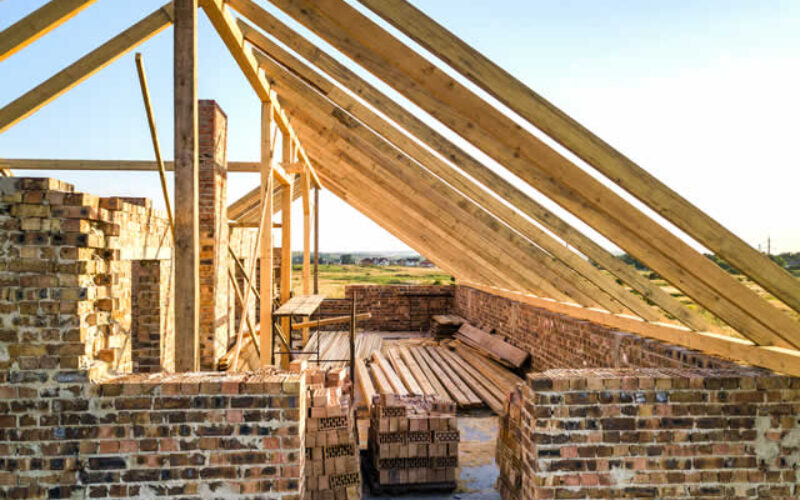
Image credit: sustainable home construction by envato.com
end of post … please share it!
|__________________________________________________________|
home remodeling surprise
find out where it might go - new win


Helpful article? Leave us a quick comment below.
And please share this article within your social networks.