Mold remediation in historical buildings demands a delicate balance between restoration and conservation.
In this article, we delve into the challenges faced and the best practices to ensure the longevity of these cherished landmarks.
Mold remediation in historical buildings demands a delicate balance between restoration and conservation.
In this article, we delve into the challenges faced and the best practices to ensure the longevity of these cherished landmarks.
Understanding the Unique Challenges
-
1: Historical Sensitivity
Historical buildings often boast intricate designs and rare materials that may be sensitive to harsh remediation techniques. Striking a balance between eradicating mold and preserving the building’s historical integrity requires careful consideration.
-
2: Architectural Complexity
The unique architectural features of historical buildings can create hidden pockets where moisture accumulates, providing an ideal breeding ground for mold. Identifying and addressing these intricate spaces poses a significant challenge during remediation.
-
3: Heritage Regulations and Compliance
Navigating heritage regulations is paramount during mold remediation in historical buildings. Straying from approved methods may lead to legal complications, emphasizing the need for a thorough understanding of local heritage preservation laws.

Best Practices for Mold Remediation
-
1: Comprehensive Assessment
Initiate the remediation process with a detailed assessment of the historical building. Identify the extent of mold infestation, assess structural vulnerabilities, and document the building’s unique features that demand special attention during the remediation process.
-
2: Customized Remediation Plans
Develop tailored remediation plans that respect the historical significance of the building. Utilize low-impact techniques, such as dry ice blasting, to minimize damage to delicate surfaces. Collaborate with preservation experts to ensure the chosen methods align with heritage guidelines.
-
3: Moisture Control Measures
Addressing the root cause of mold growth is crucial. Implement effective moisture control measures, including improved ventilation, dehumidification systems, and repairing water leaks. By preventing moisture accumulation, you can significantly reduce the likelihood of future mold issues.
-
4: Preservation-Friendly Cleaning Agents
Select cleaning agents with the preservation of historical materials in mind. Biodegradable and pH-neutral cleaners are preferable to harsh chemicals. Test cleaning agents on inconspicuous areas to assess their impact before widespread application.
-
5: Post-Remediation Monitoring
After remediation, conduct regular monitoring to ensure the effectiveness of the process. Implement ongoing maintenance strategies, including routine inspections and timely repairs, to prevent mold recurrence and sustain the building’s historical integrity.

Types of Home Mold (places found)
| Acremonium (drainage areas) | view samples | |
| Alternaria (showers, bathtubs) | view samples | |
| Aspergillus (on walls) | view samples | |
| Aureobasidium (wood surfaces) | view samples | |
| Chaetomium (water damage) | view samples | |
| Cladosporium (fabrics) | view samples | |
| Fusarium (food) | view samples | |
| Mucor (damp carpet, rugs) | view samples | |
| Penicillium (food, mattress) | view samples | |
| Stachybotrys (black mold) | view samples |
Understanding Black Mold
| About Black Toxic Mold | view samples | |
| Black Mold Symptoms | view samples | |
| What is Black Mold | youtube | |
| How to Kill Black Mold | youtube |
Types of Good Mold
| Penicillium (makes penicillin) | view samples | |
| Cheese (blue cheese, gorgonzola) | view samples | |
| Mushrooms (growing) | view samples | |
| Fermentation (the process) | view samples |
Air Purifiers
| – HEPA filter air purifiers | view ideas | |
| – activated carbon | view ideas | |
| – UV purifier | view ideas | |
| – ozone air purifier | view ideas |
Advanced Techniques for Historical Mold Remediation
-
1: Controlled Environment Encapsulation
Implement controlled environment encapsulation to isolate affected areas during remediation. This technique not only minimizes the spread of mold spores but also protects surrounding historical features. Work with specialized contractors who understand the intricacies of encapsulation in historical contexts.
-
2: HEPA Filtration Systems
Incorporate High-Efficiency Particulate Air (HEPA) filtration systems to capture airborne mold spores during the remediation process. This advanced technology is particularly effective in maintaining indoor air quality while carrying out mold removal procedures.
-
3: Digital Documentation and 3D Scanning
Utilize digital documentation and 3D scanning technologies to create comprehensive records of historical buildings before, during, and after remediation. This not only aids in meticulous planning but also serves as a valuable resource for future preservation efforts.
Collaborative Approaches: Engaging Preservation Experts and Local Services
-
1: Preservation Experts in Philly
In Philadelphia, where historical buildings abound, collaborate with preservation experts who understand the unique challenges of the region. Seek out the best mold removal services in Philly with a track record of successfully preserving historical structures while addressing mold issues.
-
2: Water Damage Restoration in Las Vegas
Las Vegas, with its arid climate, presents distinct challenges in water damage restoration. Engage with local experts who possess a deep understanding of the desert environment and can implement specialized techniques to address water damage while respecting the historical significance of buildings.
Educational Outreach and Community Involvement
-
1: Workshops and Training Programs
Initiate workshops and training programs to educate historical building owners, caretakers, and local communities about the importance of mold prevention and remediation. Empowering stakeholders with knowledge fosters a collective commitment to preserving the historical fabric of their surroundings.
-
2: Community Partnerships
Forge partnerships with local community organizations to create awareness campaigns on the preservation of historical landmarks. Highlight the role of the best mold removal services in Philly and water damage restoration in Las Vegas in safeguarding these valuable assets.
Continuous Research and Development
-
1: Sustainable Practices
Stay abreast of developments in sustainable mold remediation practices. Explore eco-friendly solutions and technologies that align with both preservation goals and environmental responsibility, ensuring a harmonious balance between the past and the future.
-
2: Adaptive Strategies
Incorporate adaptive strategies based on ongoing research findings. Mold remediation in historical buildings is a dynamic field, and staying adaptable allows for the integration of emerging technologies and methodologies for enhanced efficacy.
other related articles of interest:
Unveiling the Hidden Secrets: Facts About Mold Lurking in Your Home
Conclusion:
-
A Holistic Approach to Historical Preservation
In the pursuit of mold remediation in historical buildings, a holistic approach, combining advanced techniques, collaborative efforts, and continuous learning, is paramount.
By incorporating the expertise of the best mold removal services in Philly and water damage restoration in Las Vegas, we can strike a balance that preserves our heritage while effectively addressing present challenges. Together, we embark on a journey to safeguard the architectural treasures that tell the stories of our past.
-
Preserving the Past, Confronting the Present
Mold remediation in historical buildings is a delicate dance between conservation and elimination. By acknowledging the unique challenges posed by these architectural treasures, and adhering to preservation-friendly practices, we can ensure the protection of our heritage for generations to come.
Balancing the demands of the past with the challenges of the present, we embark on a journey to safeguard history, one historical building at a time.
Find Professional Services Abatement Services Junk Removal Site Preparation Recovery Services top-rated, pre-screened local contractors FREE: download contractor selection enter zip code – powered by HomeAdvisor ™


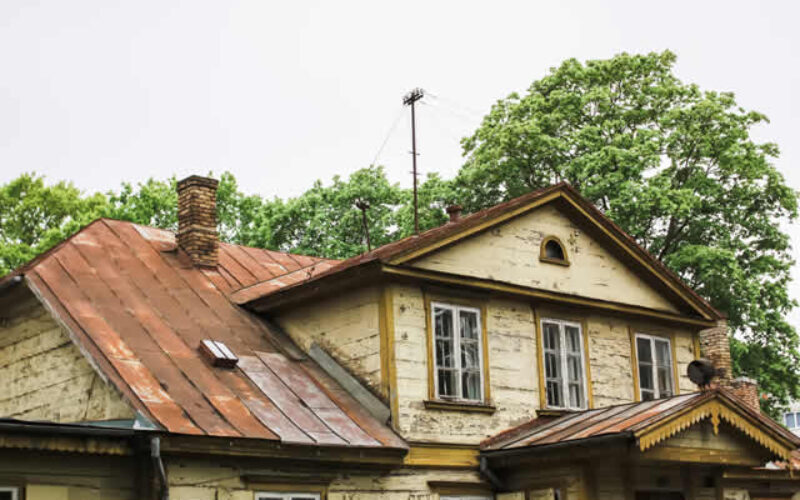
Image credit: mold remediation in historical buildings by envato.com
end of post … please share it!
|__________________________________________________________|
home remodeling surprise
find out where it might go - new win


Helpful article? Leave us a quick comment below.
And please share this article within your social networks.