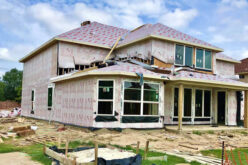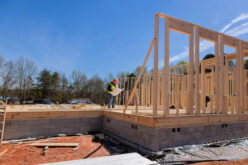
The type of foundation you will need is also an essential factor to consider. Many different types of foundations can be used on rugged terrain, so it is vital to do some research.
This article compiled some information on your best options that can be used on rugged terrain to help you make an informed decision.
Look for a lot that has already been cleared
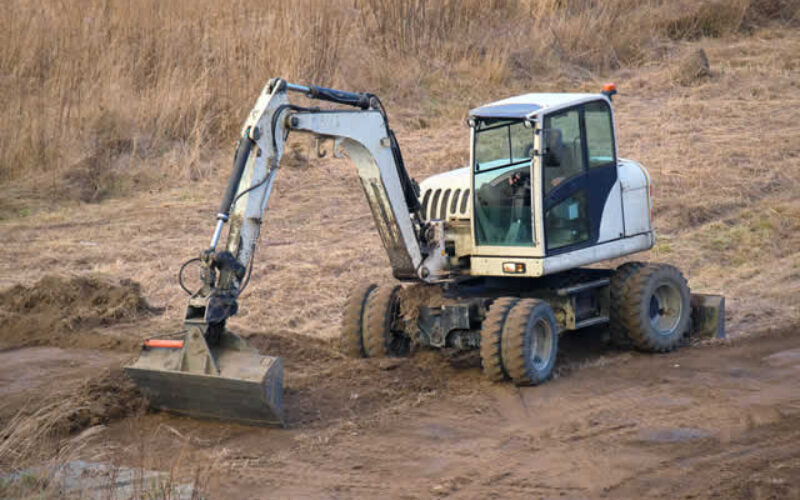
When building on rugged terrain, there is no better strategy than looking for a lot that has already been cleared. Taking the time to do so can save you countless hours of manual labor and money spent on paying workers or purchasing expensive machinery.
Not only this, but it’s much easier when you have the appropriate space and substructure. However, if you need to do the work yourself, you may need to rent the necessary equipment. In this case, explore the internet, where you may find a website dedicated to renting such equipment in your area.

Make sure to visit and go now to this site for an idea of their prices and the quality of the equipment they offer. Nevertheless, with a cleared lot that meets your needs, you can bring your vision to life with fewer issues than if an area was overgrown or otherwise hazardous.
Factor in the cost of tree removal
Working on rugged terrains like steep hills can be expensive and tricky. Before you begin any construction, you should factor in the cost of tree removal, if needed.
Removing trees that are directly in the way can not only add to the budget but also disrupt the natural environment, so plan and budget carefully while considering both safety and environmental issues.
Trees may offer privacy and aesthetic value, but sometimes it is necessary to take them down when developing a property for commercial or residential use.
Talk to your local building department
Seeking out the knowledge and expertise of your local building department is a crucial step to follow when you are planning to build on rugged terrain.
As certain topographical conditions require special attention, it is essential to understand any potential additional permits or requirements that will need to be fulfilled.
Depending on your project’s complexity, it may also be beneficial to receive guidance in the form of suggestions or advice, so be sure to inquire with your local building department as soon as possible.
Be prepared for the possibility of having to install a septic system
When building, it’s essential to consider the terrain you are working on and be prepared for any eventualities. When you have challenging terrain, like uneven or rocky soil, installing a septic system can be complex and costly.
You should plan and understand the costs, regulations, and required materials associated with installing a septic system on rugged terrain. In some cases, the cost of laying foundations on notoriously uneven land may outweigh other alternatives, such as drilling a hole into bedrock or constructing an above-ground container.
Knowing your options for septic system installation is essential, so your project can move forward efficiently and cost-effectively, even when faced with tricky ground conditions.
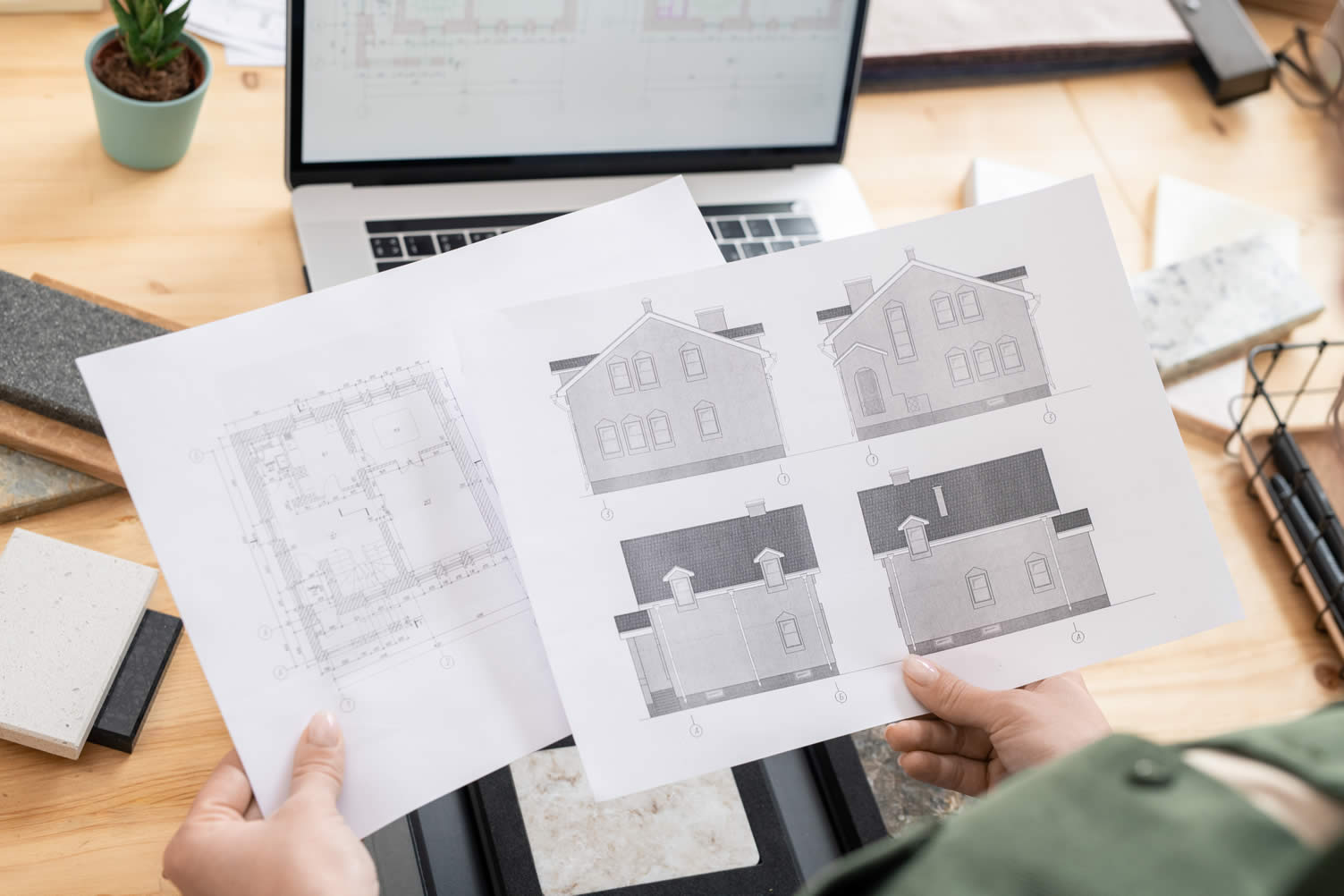
Before you start any home construction – such as building a new home, building a new section onto an existing home, and other major construction project, run some financial numbers to determine whether the construction is a smart investment.
The numbers include the estimated costs, home value assessment, financing costs, and other related calculations.
Review these cost-related issues to home construction vs. buying a new home.
links to internal page (opens new win)
| analyze the numbers | |
| estimate the cost of your project | |
| get your home value |
The 2nd step for planning your home construction is deciding what you would like to do.
Will it be a –
- designing ideas for your kitchen and bathroom,
- converting the attic or basement into livable spaces,
- adding an addition or extension to an existing home,
- adding a deck or patio and link it to an all-season room,
- planning the construction with new windows, doors and flooring,
- designing the landscape with innovative features,
- or something else.
Start collecting ideas by referencing our collection of remodeling analysis: view directory
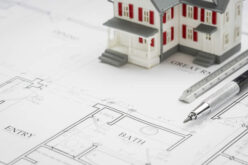
Step 3 is sketching your ideas on paper (or digitally) and developing the spec plan.
The spec plan determines what type of home construction materials, items, and design considerations that will be needed. It will also contain the product specifications for each constructive element.
You will use the spec plan and architectural design to bid the project out to a contractor.
links to internal page (opens new win)
| developing the spec plan | |
| sketch remodeling plan | |
| design considerations |
Step 4 is finding and negotiating the contract with a home construction contractor.
Give your home construction ideas and specs to a contractor for review and bid analysis. Use the local network (aligned with HomeAdvisor) to find the right contractor for your project.
Review guides for contractor selection and negotiation.
links to internal page (opens new win)
| search home construction contractors | |
| selecting your contractor checklist |
| contractor negotiations | |
| contractor evaluation form |
Step 5 is arranging financing once you selected the contractor and finalized the contract for your project.
Using the equity value in your existing home is one of the best financing option for home construction. Start with a home equity line of credit or use the bank equity program.
Other options may include home construction financing, personal savings, and/or financing from home construction contractors.
links to internal page (opens new win)
| financing options | |
| getting qualified for financing | |
| negotiate rates |
Step 6 is where the project begins.
It starts with setting up the work area, removing everything that needs to be replaced, installing electrical and network connections, putting in the final touches, etc.
It also means working with the contractor, managing the project, and getting the home construction project inspected before releasing any funds.
links to internal page (opens new win)
| working with the contractor | |
| managing construction project |
| about a home project inspections | |
| find home inspector |
Consider building a split-level home on sloped lots
If your property has a slope, and you want to build on it, it’s worth considering the benefits of building a split-level home. A split-level home is an excellent way of taking advantage of land on uneven terrain as it can adapt to the existing ground levels.
This approach makes the most out of rugged terrain, providing great views and full use of space. At every level, your living area will have access to natural light and fresh air – which may have been impossible before with such irregular land.
Architecture has also come a long way in recent years, giving homeowners more style options when they prefer something modern or traditional. Split-level homes are worth considering when looking to make the most of building on challenging terrain.
Hire a reputable contractor
Building on rugged terrain can be complex – it takes a contractor with significant experience to execute successfully. Hiring a reputable contractor to handle the job is essential, since they typically have experience dealing with the unique challenges associated with building on complicated land formations.
They’ll understand how to work around factors like sloping tops, unexpected rocks, and other obstacles. They may even employ special equipment or technology to ensure things go as smoothly as possible.
other related articles of interest:
Investing in the right experts for such a difficult task is worth it – your project will be completed faster, safer and more cost-effectively if you trust somebody who knows what they’re doing.
Even if you find the perfect piece of property, some challenges may come with it. But if you research and plan, you can build your dream home on even the most challenging land.
Rest assured that with some expert input and careful planning, you’ll be able to navigate the complexities of building on tricky terrain successfully.
Find Home Construction Services Additions Home Construction Major Remodels Site Preparation top-rated, pre-screened local contractors FREE: download contractor selection enter zip code – powered by HomeAdvisor ™


Image credit: best options when you need to build on difficult terrain by envato.com
end of post … please share it!
|__________________________________________________________|
home remodeling surprise
find out where it might go - new win


Helpful article? Leave us a quick comment below.
And please share this article within your social networks.