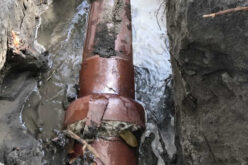
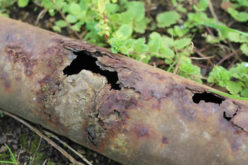
A new pipe restoration service, however, is slowly becoming the more preferred solution to make your pipe working and looking like new once again. This popular pipe service is called cured in-place pipe lining, or CIPP. This new method allows for a pipe system remediation, without having the messy work of digging just to remove and, then., replace the pipe.
Simply put, CIPP is a trench-less pipe repair procedure. Ahead, you’ll find the advantages of utilizing this method for your home over the traditional pipe replacement scheme.
The Benefits of CIPP Lining For Your Home
Having your pipes repaired and replaced is a priority, and it should happen as soon as possible. Consider a CIPP rehabilitation for your building to enjoy its benefits, as discussed below.
-
No Need For Major Excavation
One of the most appealing reasons for this trenchless pipe restoration technology is that it doesn’t require digging. As every homeowner would know, an excavation activity requires time.
Some projects require permits and takes a few days before, during, and after the works are done, before water can flow through your pipes and on to the taps.
A trenchless pipe repair, on the other hand, only takes from a few hours to a day to complete. The pipes restored in this method are meant to last for over 50 years with proper use and under normal conditions.
-
Increases Water Flow
Because it can facilitate a smoother flow than the other types of water pipe materials, such as copper, cast iron, polyvinyl chloride (PVC), and high-density polyethylene (HPDE), cured-in-place pipe can help increase volume flow.
Additionally, CIPP is not subject to mineral deposits and other forms of blockages, allowing for unimpeded water flow, unlike the case for the abovementioned materials.
-
Can Be Used For All Pipe Materials
CIPP repair solutions can address plumbing and drainage problems regardless of the type of pipe used in your building. Any host pipe can be lined using this technology, which counts dry tube and specialized resins as two of its main components.
-
It’s Resistant To Leaks
With CIPP lining, the resin-filled part of the new liner is pressed against the original pipe, providing an extra layer of protection and filling all cracks and gaps. With this, the newly-lined pipe becomes leak-proof.
Its Strength Is Comparable To New Pipes
Apart from being leak-resistant, a new CIPP lining has structural strength that’s comparable to new pipes of any material. Even better, it’s completely impervious to corrosion, unlike stainless steel.
Epoxy resins used in this method develop a resilient and tough solid wall lining. This durable coating lasts for many years.
Less Downtime
Anyone who’s had a pipe restoration project that involves digging would agree that the undertaking takes a few days to a few weeks. Because CIPP doesn’t require digging, you’ll only wait for a few hours to resume with your daily activities and business operations.

plumbing toolsplumbing supplies
some plumbing planning to consider
Cost-Effective
Because it doesn’t involve excavations, CIPP lining won’t damage your yard, interior walls, and floors, among other structures where drain lines or water pipes are located. With this, you don’t have to spend for excavation and the repair of the said sections of the building.
-
Eco-Friendly
A repair work using CIPP doesn’t involve the use of toxic compounds and multiple workers. Restoration is done using remote-controlled technological equipment.
With less people and labor needed, you don’t have to rent a truck to and from the site. This dramatically reduces your carbon footprint. Finally, CIPP helps prevent molds and exposure to harmful elements, like asbestos, inside and outside the building.
-
Prevents Tree Root Intrusion
Trees and plants need water and oxygen to grow. When they sense water vapor forming on the outside portion of the pipes, their roots travel toward the pipe, damaging it in the process.
Because it seals the affected pipes perfectly, the cured-in-place epoxy lining coats the host pipe, not only preventing leaks but preventing plant roots from damaging the pipe in the future as well.
other related articles of interest:
What You Can Do To Upgrade Your Home’s Plumbing
What Every DIYer Should Know About Their Home Plumbing System
Summing Up
While pipes can last anywhere from 50 to 100 years, normal wear and tear, root intrusion, corrosion, bursting, cracking, and faulty installation can cause pipe problems and shorten their lifespan. And, if your building’s pipe system is suffering from it, you’ll soon experience major flooding or no water flow at all.
Traditional pipe fixing involves excavations and tracing your connection lines to ensure you won’t get cut from the main line. With CIPP lining, building owners no longer have to put up with these invasive and sometimes damaging method of pipe repair and replacement.
Find Plumbing Services Plumbing Issues Drain Clearing Septic/Sewers Water Heaters Pumps Water Softening top-rated, pre-screened local contractors FREE: download contractor selection enter zip code – powered by HomeAdvisor ™

Image credit: benefits of CIPP for your homeby envato.com
end of post … please share it!
|__________________________________________________________|
home remodeling surprise
find out where it might go - new win


Helpful article? Leave us a quick comment below.
And please share this article within your social networks.