Identify the Things You Don’t Want to Change
Renovation implies renewal, and most properties worth renovating are older with some vintage features you won’t want to change. Unfortunately, these may have been altered or removed by previous owners.
Get to know the history of the property, including what types of families may have lived there in the past, and decide if you want to retain its historical charm or modernize the home completely.

Structure and Safety First
Before buying a fixer-upper, conduct a thorough inspection. Pay extra, if necessary, to identify the presence of toxic substances.
Homes built before 1970 may contain lead paint or may have asbestos in the insulation or the adhesive beneath the tile.
Even if the basic structure is solid, knocking down walls to open space may create structural issues. Consult an architect or structural engineer about how your ideas may affect the structure.
Pay special attention to any foundation issues. You may need to reinforce or brace the foundation or deal with seepage issues before any other work can commence.
Livability
A leaky roof creates havoc in any home. Water damage could be followed by mold. Attend to the major items that you must repair to make the home livable first, including the roof, windows, insulation, and major systems such as plumbing, electrical, and HVAC.
Fix doors that won’t close and get rid of any pests that have taken up residence. If you detect signs of an infestation by rodents, wildlife, or insects, call for professional help to address the problem.
Prioritize the Rest
Your budget may allow for only a partial renovation until you can save more or secure additional financing. This means you’ll have to prioritize which rooms to renovate first. Think about where you’ll spend most of your time in the house and how each renovation will add to the home’s value.

underfloor heatingductless mini split systems
some home heating and cooling ideas to consider
Your Home as a Construction Site
Ask your contractor if they expect to leave tools on site until they complete the project. If so, how will they store them safely? If yours is a big job, expect to see a proliferation of tools necessary for construction all over the property.
You might find your living room full of staple and nail guns, and your garage home to table saws and jackhammers. How will your contractor protect your home and the people in it during the project?
Get proof that your electrical system can handle the tools for the job. Floor sanders, for example, use a lot of electricity and may require a special, professionally installed connection to your home’s electrical supply.
other valuable tips:
House Stuck in the 1970s? 4 Renovation Projects to Modernize the Exterior
Renovation Craze: The Phases of Putting Your House Back Together Again
Any power tool can be dangerous if used improperly or stored carelessly. They can even cause fires that destroy the home under renovation.
A well-planned home renovation has a better shot at coming in on time and within budget. Doing things in the right order and prioritizing major tasks may lead you to a better result.
Find Home Remodeling Services Additions Major Remodels Minor Remodels Disability Needs top-rated, pre-screened local contractors FREE: download contractor selection enter zip code – powered by HomeAdvisor ™

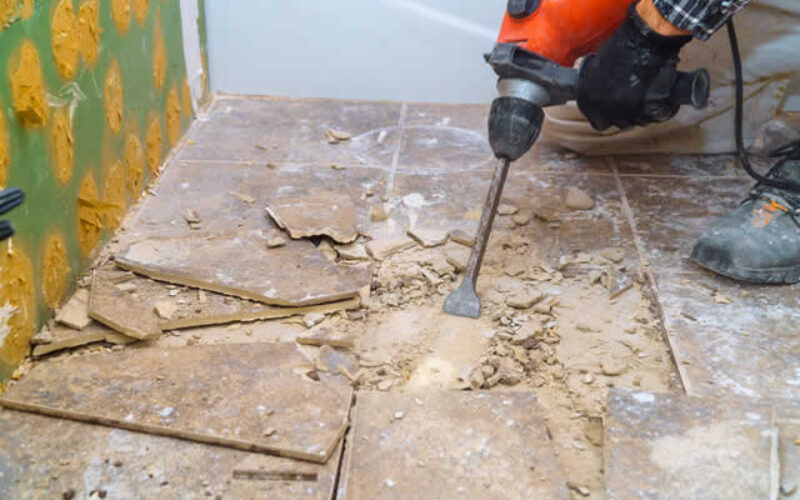
Image credit: renovating a house by envato.com
end of post … please share it!
PHOTO COLLECTION: some home renovation ideas to consider
|__________________________________________________________|
home remodeling surprise
find out where it might go - new win


Helpful article? Leave us a quick comment below.
And please share this article within your social networks.