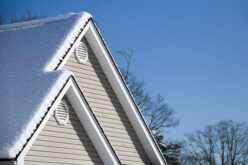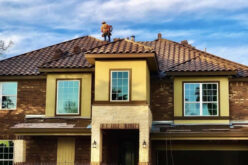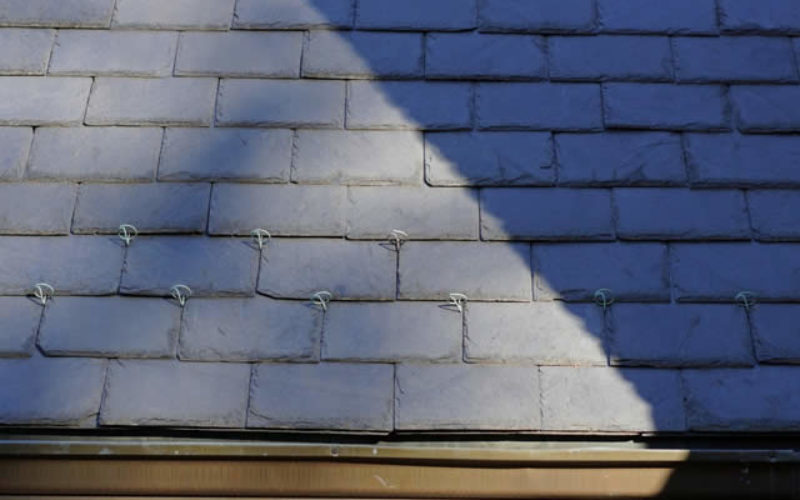
It is best to inspect and repair the roof before rainstorms do further damage to the roof and the interior of your home.
Inspect the Attic and Interior
Checking the attic and interior walls of your home can give you clues if you have roof damage from leaks or ice dams. Look at your ceilings for signs of damage like stains, wet spots, paint bubbles, or other signs of water leakage. Indoor problems might need immediate repairs as it can indicate rotting of your roof’s underlayment causing damage to your walls and insulation.
Inspect the Shingles
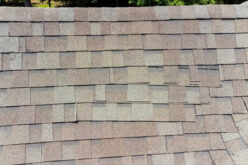
Walk around your yard and look for shingles on the ground that might have blown off during the winter. If you can, get up on the roof or have a roofing contractor do this for you. Look for missing shingles, loose shingles, curling, or damaged in any way. These shingles need to be replaced.
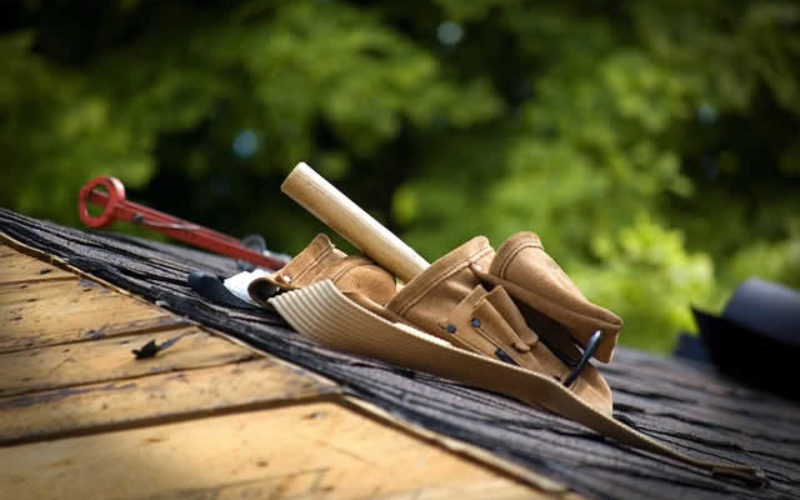
roof inspection toolsroof ladder
some roofing ideas to consider
You should also check the shingles for dents or pits where a tree branch or hail might have damaged the shingle. If too many shingles have dents or they look worn out and faded, it might be time for a new roof.
A Roof is More than Shingles
There is more to your roof than just the shingles. You should also inspect the flashing, soffits, and fascia. You will find flashing where various parts of the roof connect, such as around skylights, chimneys, and where two slopes come together.
These direct water away from the vulnerable areas where water is likely to leak into your home. Check if the caulking around the flashing is cracked or missing, or if there is rust on the flashing. If you see these signs, the flashing needs to be repaired or replaced.
You should also check the soffits and fascias of your roof. Soffits are made of wood or metal and found along the underside of the roof between the roofline and the walls of the home, beneath the overhang of the roof.

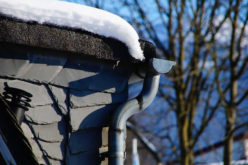
Fascias are made of metal or wood and found from the edge of the roof down to the soffits, usually behind the gutters. While they don’t seem to have much function, they are an easy place to spot water damage. If you see damage to the soffits or fascias, there’s likely damage elsewhere.
Types of Residential Roofing
If you’ve found enough damage to your roof to necessitate replacing it, you might want to look at the type of roof get. There are likely more kinds than you realize and each kind has its own pros and cons.
Asphalt is the most popular shingle, because it’s relatively cheap, but it isn’t as durable as most other shingles. There are numerous types of residential roofing you can choose from. Slate tiles are made of natural slate and are a beautiful finish to your home. They’re also very durable, with the potential to last a hundred years or more.
other valuable tips:
Clay tiles are also very attractive with a wide variety of styles and colors. They’ve been used throughout time and are very durable, usually lasting at least fifty years. However, they’re more likely to crack when temperatures drop to freezing.
Preventative roof maintenance in the springtime can prepare your roof for summer storms and prevent costly repairs later. Replacing and maintaining your roof will also increase the value of your home. This spring, look for signs of damage and fix them before they become a problem.
Image credit: springtime roof repairs by Twenty20
end of post … please share it!
PHOTO COLLECTION: take a look at some outside home ideas
|__________________________________________________________|
home remodeling surprise
find out where it might go - new win


Helpful article? Leave us a quick comment below.
And please share this article within your social networks.