This hidden home moisture threatens the structural integrity of wood, drywall, and other building components, and it creates an environment where mildew and molds can thrive. While you can’t prevent every flood, you can minimize the risk of flood occurrences.
Learn more by reading the list below, which explains some of the most common causes of interior flooding and how you may be able to prevent them.
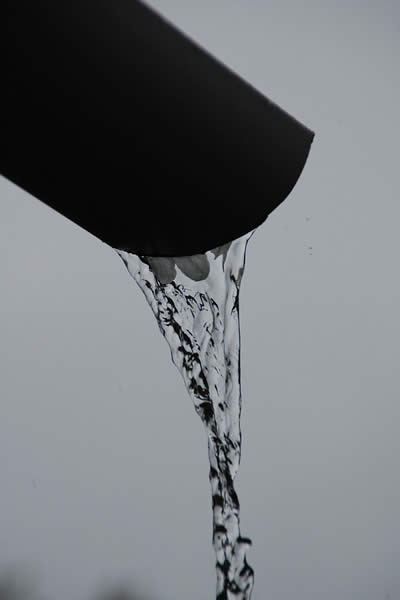
Badly Maintained Rain Gutters
Rain gutters are designed to catch any precipitation that falls on your roof. Gutters direct rain through downspouts along the sides of your building so that the water can seep into the ground at a safe distance from your foundation.
When rain gutters become clogged with leaves or other detritus, they can no longer fulfill this purpose. Water may begin to accumulate on your roof. Standing water is surprisingly heavy and has the potential to cause your roof to collapse. Standing water also has enough downward pressure to force its way into tiny roof openings, which can bring about leaks.
You can help ensure your rain gutters continue to do the job they were designed to do by cleaning them thoroughly at least twice a year.
Clogged Sink Drains
If the water in your kitchen or bathroom sink drains slowly, you could have a problem on your hands, particularly if there are people living in your household who sometimes forget to turn off the sink tap. It’s best to tend to your clogged drain right away. You can buy an inexpensive snake at most big box home improvement stores, which can help remove any blockage. The best way to prevent clogs, however, is to avoid washing things like grease, hair, or coffee grounds down your drains.
Leaking Water Heaters
Water heaters leak for many reasons. Temperature, pressure and drain valves may fail to close off completely. The water supply line fitting may fail. Sometimes the tank itself may become damaged. Unless you have a lot of DIY remodeling experience, it may be best to call in a professional plumber if your water heater begins to act temperamental.
Malfunctioning Washing Machine Hoses
Floods caused by washing machine malfunctions are one of the most common insurance claims filed by homeowners. The culprit is often the intake hoses, which have a tendency to stretch out and burst if the water pressure in the machine itself gets too high. It’s important to inspect your washing machine hoses regularly for wear and tear. You can also buy and install a valve shut-off kit with a sensor that fits on your washing machine and shuts off the washing machine’s water valve if it detects pooling.
Sump Pumps
If you live in an area where groundwater levels are relatively high so that your property is prone to flooding, you may want to invest in a sump pump. Sump pumps are engineered to push water that might otherwise accumulate in the area beneath your building away from your building. According to the American Society of Home Inspectors, more than 60 percent of all structures in this country are at risk for flooding from high water tables. If your home or commercial building is one of these, you may benefit from a sump pump.
| google+ |
AMAZON: sump pumps
|__________________________________________________________|
home remodeling surprise
find out where it might go - new win


Helpful article? Leave us a quick comment below.
And please share this article within your social networks.